• Call Support 86-0596-2628755

10 Dining Set Buying Tips for Global Buyers

Buying a Dinning Set for an international market is not just a style decision. It is also a freight, fit, and durability decision. A six-chair set may look balanced in a showroom, then crowd a narrow apartment dining area. Export buyers must weigh carton dimensions, finish consistency, replacement parts, and assembly time. Small details matter.

The 2024 Houzz & Home Study reported that median U.S. renovation spending reached $24,000 in 2023, up from $22,000 in 2022. This figure does not measure dining-set sales, but it offers context for household investment in living spaces. Grand View Research valued the global furniture market at $736.2 billion in 2023. That broad-market figure does not predict demand for a specific set, but it signals a competitive category where product fit and clear specifications matter.

Interior designer Nate Berkus has said, “Your home should tell the story of who you are, and be a collection of what you love.” For global buyers, personal appeal must still pass practical checks. Measure the room and doorway. Test extension mechanisms, and request finish samples under natural and warm lighting. Ask suppliers for material details, packaging tests, lead times, and defect procedures. A finish that photographs beautifully may show scratches quickly in a busy café. There is no universal best set. Climate, dining habits, shipping routes, and service access all change the answer. This guide presents ten buying checks to help buyers compare suppliers using evidence, not catalog promises. Some choices remain judgment calls. That is worth admitting.
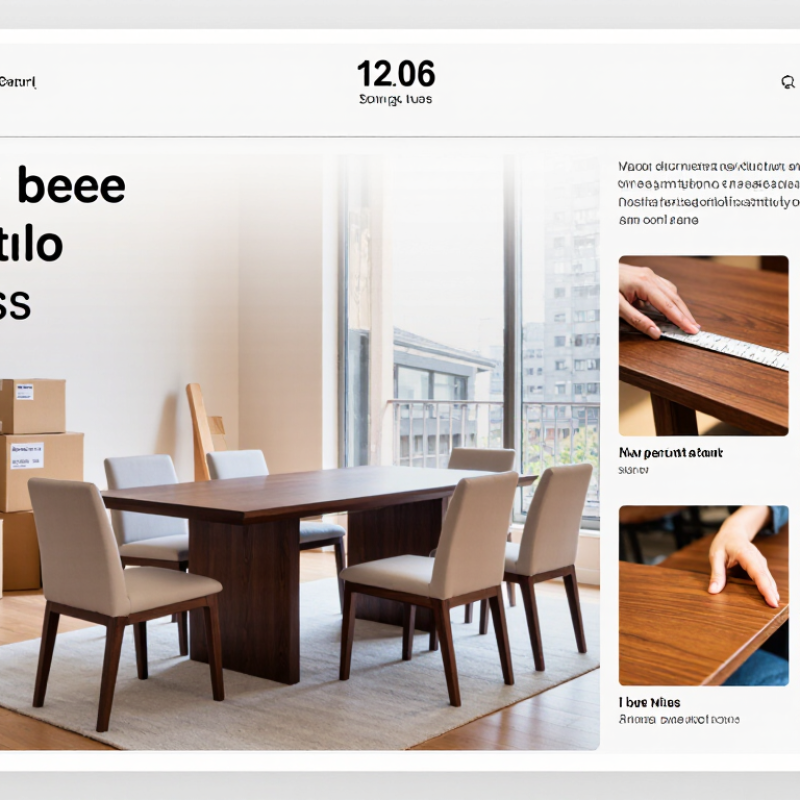
10 Dining Set Buying Tips for Global Buyers

Define Your Dining Needs, Household Size, and Intended Use

Start with the people who will use the set most days, not the holiday photograph. The U.S. Census Bureau’s 2020–2024 QuickFacts reports an average household size of 2.53 people in the United States. That is a useful baseline, not a global rule; household size and guest habits vary by market. Count regular diners, then occasional guests. Four seats may suit daily life, while six can crowd a narrow apartment. Mark the footprint with tape, including pulled-out chairs and walking space.

Think about what happens at the table beyond meals. The BLS 2023 American Time Use Survey reports about 1.24 daily hours spent eating and drinking by people aged 15 and older. That figure is not table-use time, but it shows how often eating fits into daily routines. If the table also hosts homework, remote work, or weekend crafts, prioritize a durable top and comfortable chairs. Small details matter: a laptop, two plates, and a water jug can quickly fill a compact surface.

Match the shape and finish to your real routine. Round tables can ease conversation in tight rooms; rectangular ones often use long spaces efficiently. Need extra seats only sometimes? An extendable design may help, though leaves need storage. A perfect fit on paper can still feel cramped. Check room measurements, delivery access, and local seating preferences before buying.
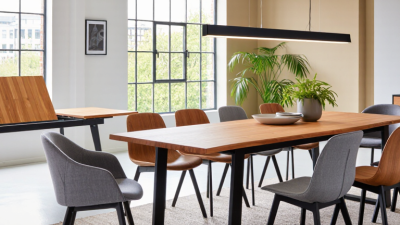
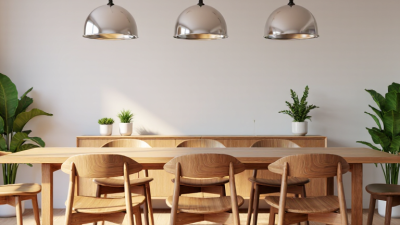
Measure Your Space and Plan for Seating and Movement

Measure the dining area before comparing table sizes. Record its length and width, then note doors, radiators, windows, and traffic routes. Keep measurements in one unit, or write both centimetres and inches to avoid conversion mistakes. A table that fits on paper may still block a cupboard door.

Plan for chairs in use, not only tucked under the table. Allow roughly 60 to 75 centimetres behind each chair for pulling it out, and aim for about 90 centimetres on main walkways where space permits. These are practical guides, not guarantees. Wide armchairs need more room. So do lively family meals.

Mark the table and chair footprints on the floor with painter’s tape. Walk around them while carrying a tray, and open nearby doors fully. Check the route from the entrance too, especially if the set arrives assembled. Paper plans can still mislead; chair shapes and daily habits change the fit. Leave a little breathing room, even if that means choosing fewer seats.

10 Dining Set Buying Tips for Global Buyers — Measure Your Space and Plan for Seating and Movement
No. Planning Dimension Practical Guideline Example or Check
1 Measure the dining area Measure the room’s length and width, noting doorways, windows, radiators, columns, and other fixed features before choosing a set. Record measurements in both centimeters and inches if comparing international product listings.
2 Allow space around the table Leave about 36 in (91 cm) between the table edge and walls or other obstacles as a practical minimum for pulling out chairs and passing behind them. For a 60 in (152 cm) table, allow roughly 132 in (335 cm) of room length when planning 36 in of clearance at both ends.
3 Plan for comfortable movement Where the dining area is a main walkway, aim for about 42–48 in (107–122 cm) of clearance on the traffic side when space allows. Check the route between the kitchen, dining area, and nearby doors with chairs pulled out.
4 Match table size to seating needs As a general guide, a round table about 36–48 in (91–122 cm) across often suits four people; a rectangular table around 60 × 36 in (152 × 91 cm) can suit six. For eight people, consider a rectangular table around 72–96 × 36–40 in (183–244 × 91–102 cm), depending on chair width and place settings.
5 Allow personal space at the table Plan for roughly 24 in (61 cm) of table edge per person for comfortable everyday seating. Wider place settings may need more room. Measure chair width and account for armrests, which can reduce the number of seats that fit along a side.
6 Check table and chair heights Many dining tables are about 28–30 in (71–76 cm) high. A seat height around 17–19 in (43–48 cm) is common; confirm the fit for the specific chairs. Allow enough space between the chair seat and underside of the table for comfortable legroom, especially with aprons or crossbars.
7 Account for chair pull-out space Measure the footprint with chairs in use, not just the tabletop. Chairs generally need additional room to slide out and let diners sit down. Use tape on the floor to mark the table and the pulled-out chair positions before ordering.
8 Consider an extendable table An extension leaf can provide extra seats for occasional gatherings, but the room must accommodate the fully extended table and occupied chairs. Compare the closed and extended dimensions, and verify that leaves can be stored conveniently if they are removable.
9 Check delivery and access routes Confirm that the tabletop, base, and packaged components can pass through entry doors, hallways, stairwells, and elevators. Check the largest component’s dimensions against the narrowest point on the delivery route, including turns and ceiling height where relevant.
10 Verify the layout before purchase Use the product’s assembled dimensions to test the arrangement, including rugs, sideboards, and nearby furniture that affect movement. Leave enough rug area for chairs to remain on the rug when pulled back, or choose a layout that keeps chair movement clear of rug edges.

Compare Materials, Construction, Comfort, and Durability

Material choice affects maintenance as much as appearance. Solid wood can be repaired, but it may expand or shrink with humidity. Engineered panels often provide a stable, even surface, though damaged edges can be harder to fix. Metal frames resist many everyday knocks, but exposed joints may corrode in damp rooms. Check the finish, not just the color. A glossy surface can show scratches quickly. Looks matter.

Construction deserves a close look. Ask how the legs connect to the table and whether the chairs have corner blocks or sturdy crossbars. Gently press each corner; movement or creaking may signal a weak joint. Inspect the underside, where rushed finishing is easy to miss. Extension tables should open smoothly and sit level when fully extended. A heavier set is not automatically stronger, and I would not judge quality by weight alone.

Comfort is personal, so test the chairs if possible. Sit for several minutes and check knee clearance, back support, and whether the seat edge presses against your legs. Compare seat height with the table apron; a small mismatch can make long meals tiring. For durability, look at replaceable glides, washable upholstery, and clear care instructions. Ask how the set is packed for shipment, since corners and chair legs can be vulnerable in transit. Even careful checks cannot predict every scratch.

Check Style, Care Requirements, and Product Safety Standards

A dining set should suit the room and the way people use it. Measure the table, chairs, and walking space before choosing a style. Leave enough room to pull out a chair without striking a wall. A glossy finish may look crisp in a showroom, but fingerprints and scratches can show more clearly at home. Compare samples in your own lighting, if possible.

Care needs can change the real cost of ownership. Ask whether the surface needs special cleaners, regular oiling, or protection from hot dishes. Check care instructions before buying, not after a spill. Product safety deserves the same attention: review materials, stability, weight limits, and assembly guidance. For cross-border orders, request relevant test reports and confirm which safety requirements apply in your destination market. Requirements vary. Paperwork can be easy to overlook.

Tips: Check chair wobble on a level floor. Look for smooth edges and secure joints. Keep care instructions and safety documents. It is tempting to choose the prettiest set, but daily comfort matters more; still, appearance may win sometimes, and that is worth thinking through.

Review Total Costs, Shipping, Assembly, and Warranty Terms

A dining set’s listed price is only the starting point. Build a landed-cost estimate that includes freight, handling, local taxes, and any import charges. Ask whether delivery reaches your room or only the building entrance. That difference matters. A heavy table left at a curb can mean extra labor, missed appointments, or damage during moving. Request a written quote in your currency, and check how long it remains valid. Exchange rates can shift before payment.

Shipping details deserve the same attention as the furniture itself. Confirm the packed dimensions, number of cartons, estimated transit time, and what happens if a shipment arrives late. Measure doorways, elevators, and stair turns before ordering; a tabletop can fit a room but fail at the entrance. On delivery, photograph crushed corners or torn packaging before signing, and record any visible damage. Assembly may require two people, a clear floor, and basic tools. Check whether those tools and step-by-step instructions are included. They are not always.

Read the warranty for its actual process, not just its duration. Look for coverage on frame joints, finishes, and hardware, plus exclusions for normal wear or improper assembly. Ask who pays for return freight and whether replacement parts can be shipped internationally. Keep the invoice, assembly guide, and delivery photos together. A small detail, but useful. Warranty language can sound reassuring while leaving practical costs unclear. If a term is vague, ask for clarification in writing before placing the order.