• Call Support 86-0596-2628755

Why Is a Coffee Table a Smart Choice for Global Buyers?

Why Is a Coffee Table a Smart Choice for Global Buyers?

A Coffee Table is more than a living-room surface. It can become the visual anchor of a home, hotel lobby, or serviced apartment. Interior designer Bobby Berk describes this role clearly: “A coffee table should reflect how you live.” That principle matters across international markets. Buyers want furniture that looks attractive, works efficiently, and suits different room sizes.

A well-designed Coffee Table offers practical value with limited space. It can hold books, coffee cups, remote controls, and decorative objects. Lift-top models may create a temporary work area. Nesting tables can serve small apartments without appearing crowded. Buyers also examine materials, packaging, assembly, and shipping weight. Solid wood suggests warmth and durability. Tempered glass creates a lighter visual effect. Engineered wood may reduce cost, but quality varies greatly.

The decision is not always simple. A beautiful table may arrive with fragile corners or unclear instructions. That is a real concern. Global buyers should check moisture resistance, surface finishes, safety testing, and supplier consistency. Dimensions must match local homes, elevators, and delivery routes. Responsible sourcing also deserves attention, especially for timber and coatings. These details can influence returns, customer trust, and long-term brand value.

A smart purchase balances appearance, function, price, and reliability. It should feel useful on an ordinary morning, not only in a showroom. That balance makes the Coffee Table a practical choice for diverse global buyers.

Why Is a Coffee Table a Smart Choice for Global Buyers?

What Is a Coffee Table and What Functions Does It Serve?

A coffee table is a low, central table placed before a sofa or lounge chair. It holds drinks, books, remotes, and small decorative objects. Its core function is reach. A seated person should access it without leaning forward awkwardly. In my furniture planning experience, I check sofa height, walking clearance, and tabletop edges first. A height near the sofa seat often feels balanced. Around 40–45 centimeters suits many living rooms. This is guidance, not a fixed rule. Room scale and family habits can change the result.

The table also organizes space. It can define a seating zone inside an open-plan room. Drawers or a lower shelf can hide chargers, magazines, and children’s toys. A lift-top design may support a laptop or casual meal, but it can look bulky.

Grand View Research estimated the global home furniture market at about US$649.8 billion in 2023. Its report also projected a 5.7% compound annual growth rate from 2024 to 2030. That expanding market reflects demand for useful, adaptable household pieces.

For global buyers, flat-pack construction, durable surfaces, and neutral proportions can simplify shipping and interior matching. Rounded corners improve everyday safety. Yet overly small tables may look lost, while oversized ones interrupt movement. Measure the room carefully.

The “smart” choice is sometimes less attractive, but more usable.
Why Does a Coffee Table Suit Diverse Interior Styles?

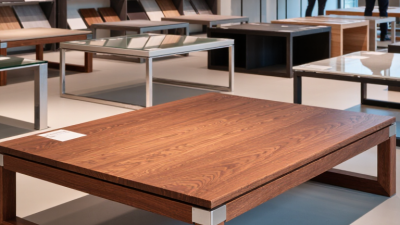
A coffee table can adapt to many interior styles because its form is visually flexible. Its shape, height, and finish influence the room without controlling it. In a compact apartment, a round table softens sharp furniture and improves walking space. In a farmhouse room, a wood surface adds warmth beside linen seating. Even a minimalist interior can accept a slim table with clean edges and open legs.

Small changes matter. A pale finish reflects light in northern rooms, while darker wood can ground bright, sunlit spaces. In family homes, rounded corners reduce awkward bumps around active seating areas. Glass creates an airy look, especially in narrow rooms. Yet glass shows fingerprints quickly, so it may not suit every household. That practical detail is easy to overlook.

From my experience comparing furniture layouts, proportion matters more than decoration. A table should usually sit near sofa-seat height, with enough space for comfortable movement. Measure the walkway before choosing a dramatic design. A beautiful table can still feel wrong when it blocks a door or crowds a rug. Materials also respond differently to humidity, heat, and daily cleaning. Solid wood may develop small changes over time, which some buyers value and others dislike. There is no universally perfect style. The best choice depends on room scale, habits, lighting, and tolerance for maintenance.

Why Is a Coffee Table a Smart Choice for Global Buyers?

Coffee tables adapt easily to different interior styles because their height, shape, and visual weight can be adjusted without changing the room’s main furniture. The chart shows common residential height ranges for coffee table formats suited to diverse design approaches.

Typical residential furniture sizing ranges are shown in centimeters. Low-profile and nesting designs support minimalist and Scandinavian rooms, while standard and lift-top formats work well in contemporary, traditional, and multifunctional interiors.

How Do Materials and Designs Affect Global Buyer Preferences?

For global buyers, a coffee table is rarely chosen by appearance alone. Material raises a practical question: how will it perform after shipping, assembly, and daily use? Solid wood offers warmth and can age well, but humidity changes may cause movement or fine cracks. Engineered wood often provides stable dimensions and predictable pricing. Stone creates visual weight, while tempered glass keeps a small room feeling open. Each material suits a different market.

In product reviews and buyer discussions, I have noticed that surface texture strongly affects perceived value. A matte finish hides fingerprints better than a high-gloss one. Rounded corners suit homes with children and soften compact apartments. Slim legs create a lighter profile, yet they may feel less secure on uneven floors. Storage changes the design equation. A lift-top or lower shelf helps urban users manage books, remotes, and laptops without making the table look crowded.

Climate and delivery conditions also influence preference. Buyers in humid regions may ask about sealed surfaces, rust-resistant hardware, and clear care instructions. In dry homes, stable joinery can matter more than decorative grain. Flat-pack construction may reduce freight volume, but complicated assembly damages trust. I once underestimated the value of one clear diagram and labeled screws. Style still matters, but practicality often decides the final order. Even good designs need reconsideration when maintenance, weight, or room size are overlooked.

What Practical and Commercial Benefits Does a Coffee Table Offer?

Why Is a Coffee Table a Smart Choice for Global Buyers?

What Practical and Commercial Benefits Does a Coffee Table Offer?

A coffee table earns its place through daily usefulness, not decoration alone. It holds books, remote controls, coffee cups, and small work items within easy reach. For global buyers, this product combines steady demand with manageable production complexity. According to Grand View Research’s 2024 report, the global home furniture market reached USD 677.09 billion in 2023. The report forecasts a 5.9% compound annual growth rate through 2030. That scale matters.

A well-designed table can use flat-pack packaging, reducing warehouse volume and shipping costs. Buyers can also select wood, metal, glass, or engineered panels for different price levels. Rounded edges, stable legs, and moisture-resistant finishes support safer everyday use. These details affect returns. They also influence reviews and repeat orders. However, product measurements must be checked carefully. A compact table may suit an apartment but look weak in a large living room.

Commercially, the category offers room for size, color, and material variations without creating entirely new products. IMARC Group valued the broader furniture market at USD 766.2 billion in 2023, though its market definition differs from Grand View Research’s estimate. That difference deserves attention. Forecasts are not purchase orders. Buyers still need sample testing, packaging checks, and honest cost calculations. A practical trial should examine leg stability, surface resistance, carton strength, and assembly time before larger orders.

Why Is a Coffee Table a Smart Choice for Global Buyers? - What Practical and Commercial Benefits Does a Coffee Table Offer?

Evaluation Dimension Typical Reference Data Practical Benefit Commercial Benefit for Global Buyers
Common Size Approximately 90–120 cm long × 50–70 cm wide Provides a useful surface for drinks, books, remote controls, and decorative items without occupying the entire seating area. A broadly suitable size can serve apartments, family homes, offices, lounges, and hospitality projects in many markets.
Typical Height Approximately 35–45 cm; usually close to or slightly lower than sofa-seat height Allows users to reach items comfortably while preserving a clear visual connection between the sofa and table. A conventional height reduces the need for market-specific redesign and simplifies product selection for international buyers.
Recommended Sofa Clearance Approximately 40–45 cm between the table and surrounding seating Creates enough legroom and walking space for normal residential use while keeping the table within easy reach. Clear spacing guidance helps retailers, designers, and consumers plan rooms accurately and reduces avoidable returns.
Storage Function Open shelves, drawers, lift-top sections, or lower storage compartments Improves organization by storing magazines, controllers, blankets, or small household items close to the seating area. Multi-function designs can appeal to space-conscious urban customers and support several sales positions at different price levels.
Material Options Solid wood, engineered wood, metal, glass, stone, ceramic, or combinations of these materials Different materials provide choices in durability, appearance, maintenance, weight, and price. A diversified material range supports multiple market segments, from entry-level furniture to premium interior projects.
Shape Flexibility Rectangular, square, round, oval, nesting, and asymmetrical formats Round and oval tables improve circulation, while rectangular tables maximize surface area beside longer sofas. Several shapes enable buyers to address different room layouts, design preferences, and regional decorating styles.
Shipping and Handling Knock-down construction may allow removable legs or separate tabletop and base components Parts that can be disassembled are generally easier to move through doors, elevators, and narrow stairways. Compact packaging can improve warehouse storage, container utilization, parcel handling, and last-mile delivery efficiency.
Assembly Requirements Many knock-down models require basic fastening of legs, frames, or panels Simple assembly makes the product easier to transport and allows consumers to complete setup at home. Clear instructions, labeled hardware, and standard tools can reduce installation support and improve customer satisfaction.
Maintenance Profile Most surfaces can be maintained with routine dusting and a lightly damp cloth; care depends on the finish Routine cleaning is straightforward, while coasters and prompt spill removal help protect many finishes. Low-complexity care is easy to communicate in product listings and can lower post-sale service requirements.
Use Across Sectors Residential living rooms, serviced apartments, hotels, offices, waiting areas, and lounges The same core product can support relaxation, guest use, informal meetings, and display purposes. Broad application increases the potential customer base and supports both retail orders and project-based procurement.
Customization Potential Dimensions, finishes, colors, edge profiles, storage layouts, and base designs can often be varied Customization helps match different room sizes, interior themes, and functional requirements. Configurable options support private-label collections, contract furniture specifications, and differentiated product assortments without changing the basic category.

Note: Dimensions and specifications are typical industry reference ranges. Actual requirements vary according to design, material, construction method, safety standards, packaging, and target market.

What Should Global Buyers Consider Before Making a Purchase?

Why Is a Coffee Table a Smart Choice for Global Buyers?

Before purchasing, global buyers should measure the room carefully. A coffee table must leave enough space for walking, cleaning, and opening nearby drawers. I recommend keeping roughly 40 to 50 centimeters between the table and surrounding seating. Small rooms often need lighter designs with rounded corners.

Materials deserve close attention. Solid wood may offer warmth and long service, while engineered wood can reduce weight and shipping costs. Glass creates visual space, but it may require safer packaging and more frequent cleaning. Buyers should request material details, finish information, load capacity, and assembly instructions. Clear documentation makes supplier communication easier across languages and markets.

Shipping conditions can change the real value. Check the packed dimensions, carton strength, moisture protection, and replacement policy before ordering. A table that looks affordable may become expensive after freight, customs charges, or local handling fees. Buyers should also confirm applicable safety requirements in the destination market. Designs with sharp edges or unstable legs may create avoidable concerns.

Do not trust photographs alone. Ask for current product images, close-ups, and inspection records. A sample can reveal uneven coating or difficult assembly. Sometimes, a minor surface mark matters less than weak packaging. That judgment depends on the buyer’s customers and sales channel. The perfect table does not exist, and overlooking small details can be costly.