• Call Support 86-0596-2628755

What Are the 2026 Top Coffee Table Trends?

What Are the 2026 Top Coffee Table Trends?

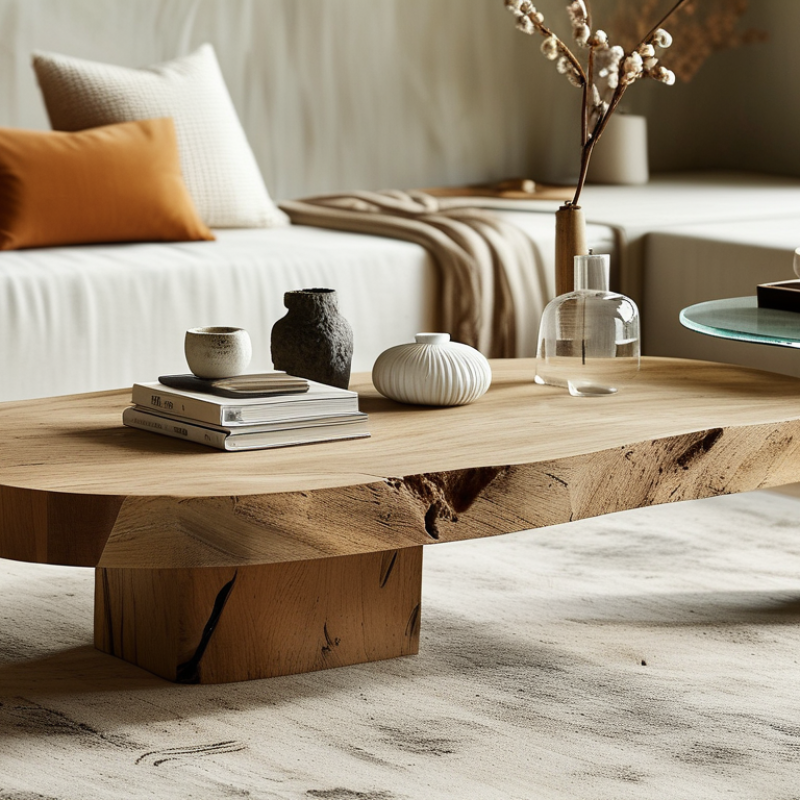
In 2026, the Coffee Table is becoming more than a surface for books and drinks. It is taking a stronger role in room planning. Designers are favoring sculptural silhouettes, natural textures, and flexible proportions. Rounded edges may replace sharp rectangular forms in family spaces. They feel softer around children and easier to move around.

Interior designer Bobby Berk once said, “The best rooms have something to say about the people who live in them.” His idea applies directly to modern Coffee Table design. A low travertine table can suggest calm, while dark wood may create warmth and visual weight. Recycled glass, ash, oak, and textured stone are also gaining attention. Some buyers want nesting tables that separate during gatherings. Others prefer one bold piece with a thick pedestal base. Small rooms need practical choices. Lift-top designs, hidden storage, and lightweight frames could become especially valuable.

The strongest 2026 trend may be personal usefulness. Not every sculptural table works in daily life. Some beautiful surfaces scratch easily or leave little space for a laptop. That is a weakness worth admitting. A trend should serve the room, not merely photograph well. I expect designers to balance expressive forms with durable finishes and repairable materials. Soft curves, earthy colors, and mixed materials will likely remain popular. Yet predictions can fail. Tastes change, homes differ, and real living always tests showroom perfection.
What Are the 2026 Top Coffee Table Trends?

Defining the Key Features of 2026 Coffee Table Design

What Are the 2026 Top Coffee Table Trends?

Defining the Key Features of 2026 Coffee Table Design

In 2026, coffee tables will become more adaptable, not merely decorative. Grand View Research projects the global home furniture market to grow at about 5% annually through 2030. That expansion supports smaller, flexible pieces for changing homes. Expect nesting tables, lift-top surfaces, and hidden storage. A table should work beside a sofa, then move easily for guests.

Material choices will show stronger tactile contrast. Designers are pairing warm wood, textured stone, recycled glass, and brushed metal. Fortune Business Insights forecasts steady growth in the global furniture market through 2029. This suggests continued demand for durable, visually distinctive furniture. Rounded edges will soften compact rooms. Slim legs will preserve sightlines and make cleaning easier. Still, some oversized sculptural forms may sacrifice daily comfort.

Practical details matter.

From my design experience, a 90-centimeter table can overwhelm a narrow seating area. A lower table may also feel attractive but become awkward for laptops or meals. Future designs should offer balanced proportions, stain-resistant finishes, and surfaces that tolerate real use. Repairable components will gain attention, especially when buyers question disposable furniture. The industry still needs clearer material disclosures. “Eco-friendly” alone is not enough.

What Are the 2026 Top Coffee Table Trends?

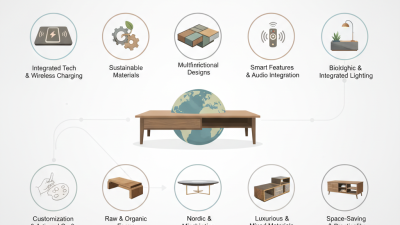
Defining the key features expected to shape coffee table design in 2026, based on current interior-design priorities such as multifunctionality, natural materials, softer forms, compact living and sustainable construction.

The index uses a 0–100 directional scale to compare the relative design importance of each feature in the 2026 outlook. It is not a market-share measurement.

Examining Popular Materials, Shapes, and Finishes

What Are the 2026 Top Coffee Table Trends?

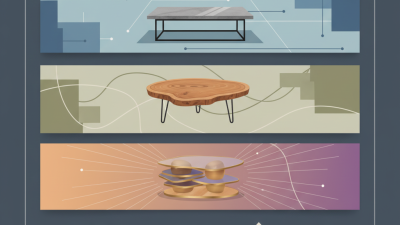
In 2026, coffee tables are becoming warmer, lighter, and more tactile. Natural wood remains popular, especially oak, walnut, and ash with visible grain. Reclaimed timber adds character, but it can include knots, color shifts, and uneven edges. That is part of its appeal. Stone surfaces are also gaining attention, including travertine, limestone, and softly veined marble. They create a cool visual contrast against rugs and upholstered seating. However, porous stone needs regular sealing and quick cleanup after spills.

Rounded shapes are moving ahead of sharp rectangular designs. Oval, circular, and softly irregular tables improve movement around compact sofas. They also reduce harsh visual lines in open-plan rooms. Nesting tables offer flexible height and surface space. A smaller table can move beside a chair when guests arrive. Sculptural pedestal bases are becoming more expressive, using fluted wood, plaster-like textures, or brushed metal. Some designs look impressive online but feel awkward in real rooms. Check the leg clearance before choosing one.

Finishes are becoming quieter. Matte oil, limewash, smoked wood, and honed stone create depth without excessive shine. Brushed metal details can add a controlled glimmer. Glossy lacquer still works, but fingerprints show quickly. I would not treat every trend as practical. Test samples under daylight and warm lamps, because color can change dramatically. A beautiful surface that stains easily may become frustrating within months. Good design should survive ordinary living, including coffee rings, children’s toys, and hurried cleaning.

Exploring Multifunctional and Technology-Integrated Coffee Tables

By 2026, coffee tables are becoming compact control centers rather than passive living-room surfaces. Lift-top mechanisms can reveal laptop space, hidden storage, and adjustable work heights. Some models add wireless charging, USB-C ports, lighting controls, and speakers. Convenience matters.

Grand View Research estimates the global smart furniture market will grow at about 10% annually through 2030. That forecast supports investment in integrated utility, but it does not guarantee better design. Poorly placed ports still create cable clutter. A charging pad beside a coffee cup can also invite spills, heat, and daily frustration. Practical testing should examine reach, cable length, cleaning, and nighttime brightness.

Deloitte’s 2024 Connected Consumer Study reports that US households average 21 connected devices. A coffee table may therefore become an easier shared interface for charging and control. Users could adjust lights, manage media, or check room temperature without reaching for a phone. Yet privacy and repairability deserve equal attention. Embedded electronics can shorten furniture’s useful life when batteries or modules fail. Designers should favor replaceable parts, clear power ratings, and manual controls. That is less glamorous.

The Sustainable Furnishings Council emphasizes longer product life as a practical route to lower furniture impact. Durable surfaces, recycled materials, and repairable hardware support that goal. However, recycled content alone is not enough. A smart table should still feel warm under a hand, stable beside a sofa, and quiet at night. Consumers may want technology, but they rarely want a gadget disguised as furniture.

Comparing Sustainable and Customizable Coffee Table Options

In 2026, coffee tables are becoming more responsible and more personal. Sustainable options now compete with customizable designs in everyday homes.

Reclaimed wood, recycled aluminum, cork, and rapidly renewable materials can reduce resource demand. However, attractive labels do not prove responsible production. Ask about material origins, finish ingredients, packaging, and repair support. Look for clear documentation.

Customizable tables offer practical flexibility.

Buyers can select dimensions, leg styles, surface colors, and storage layouts. A 90-centimeter round table may suit a small apartment, while an extendable design can serve family gatherings. Replaceable legs or panels may also extend the table’s usable life.

Yet customization often increases production time, shipping, and material waste. Measure twice. A beautiful table that blocks a walkway quickly becomes frustrating.

Comparing both options requires more than checking the purchase price.

A low-impact table with fragile joints may create more waste than a durable piece using conventional materials. Finish quality matters too, especially around coffee spills, warm mugs, and children’s crayons.

In practice, I prefer repairable construction, but that preference is not perfectly neutral.

Some sustainable materials scratch easily, and some custom finishes age unevenly. Before ordering, mark the proposed footprint with painter’s tape and test the walking space around it.

Choosing a 2026 Coffee Table for Different Interior Styles

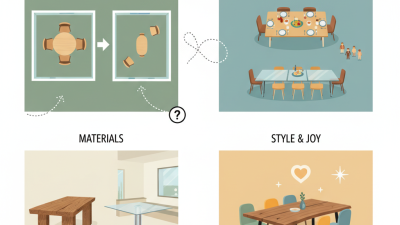
Choosing a 2026 coffee table starts with your interior style, not with a trend photograph. A table should support movement, scale, and everyday habits. Measure the sofa first, then leave about 40 to 45 centimeters between the seating and tabletop. This gap allows comfortable movement without making the room feel disconnected.

For a minimalist room, choose a low table with clean lines, pale wood, or a matte stone surface. Soft, rounded edges can prevent the space from feeling too severe. In a warm rustic interior, reclaimed-looking timber, visible grain, and sturdy legs add useful texture. A small scratch may even improve its character. For contemporary rooms, sculptural bases and asymmetrical shapes are becoming more noticeable in 2026. They work best when surrounding furniture stays visually quiet. Otherwise, the room can look confused.

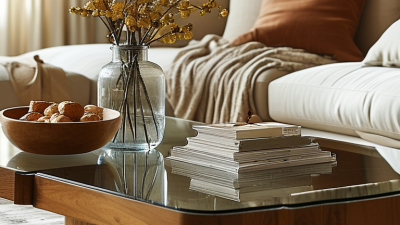
Traditional interiors often suit oval tables, turned legs, or dark wood finishes. Use these details carefully, especially in compact spaces. Glass can make a narrow living room appear lighter, but it shows fingerprints quickly. Families with young children may prefer rounded corners and durable laminate or sealed wood. I once selected a beautiful table that was too low for the sofa. It looked elegant, yet daily use felt awkward. That mistake changed my approach. Style matters, but comfort should be tested by sitting down, reaching for a cup, and walking around the table. Measure twice. Live with the choice.