2026 Top Coffee Table Styles Buyers Must Know?
When it comes to interior design, the coffee table is an essential element. It serves not just as a functional piece, but also as a focal point in your living space. In 2026, various coffee table styles will capture our attention, each offering unique features and aesthetics. From minimalist designs to bold statement pieces, the choices can be overwhelming.
Choosing the right coffee table requires careful consideration of your space and style. The material, shape, and size all contribute to its impact on your room. Inconsistent trends may lead to confusion, but understanding the quality and craftsmanship can guide your decision. A well-chosen coffee table can elevate your décor while also serving practical purposes, such as storage or display.
Reflecting on the importance of a coffee table, one must remember that it represents personal style and functionality. Trends may change, but the core purpose remains—creating a comfortable and stylish living area. Whether you prefer sleek modern lines or rustic charm, the coffee table you select will tell a story about your home.
2026 Coffee Table Trends: Understanding Modern Design Preferences
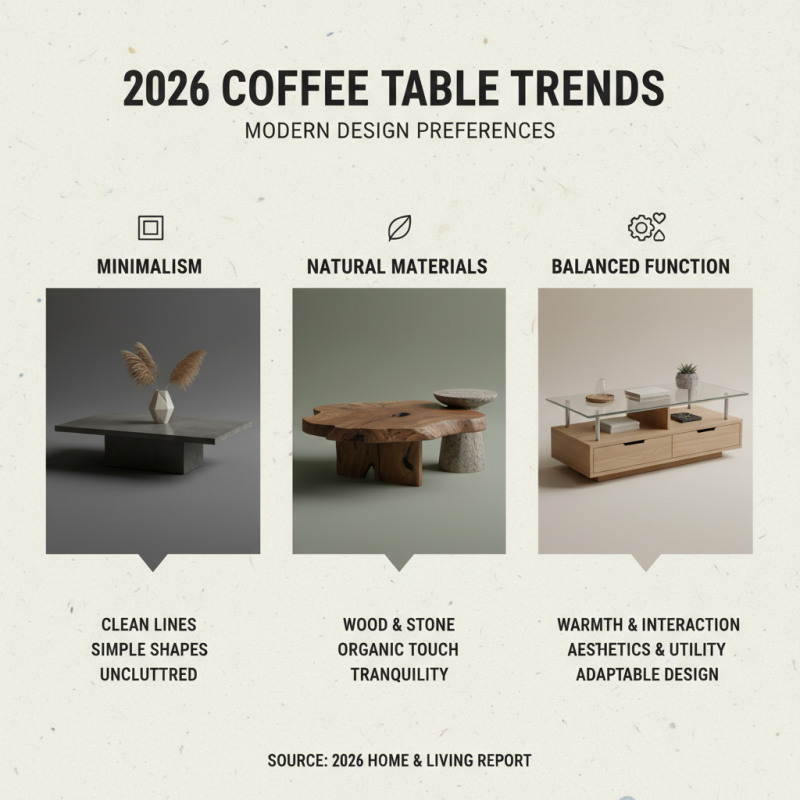
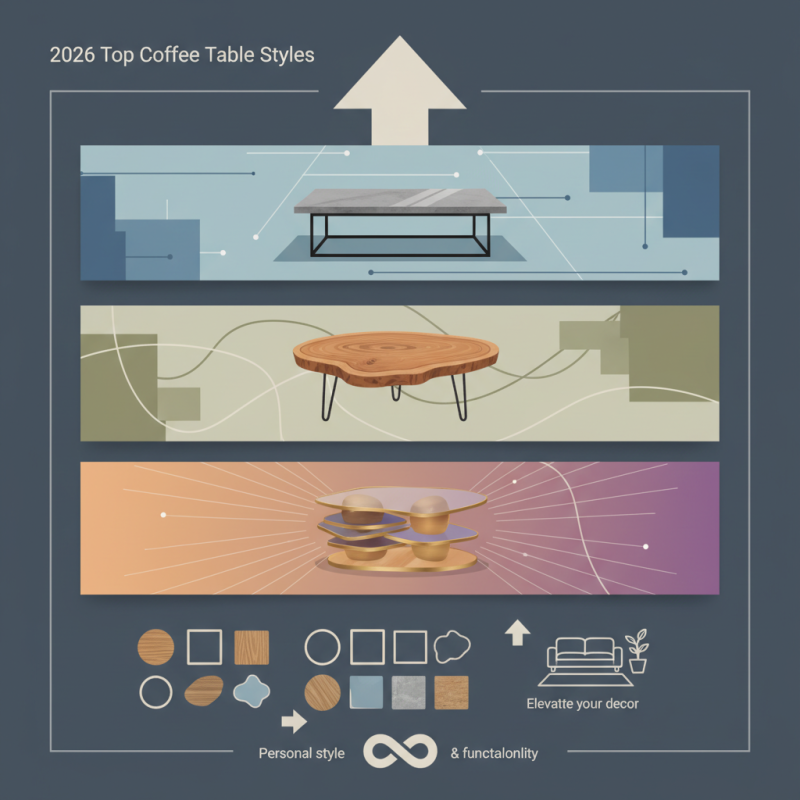
In 2026, coffee table styles are set to reflect evolving design preferences. Minimalism remains dominant, with clean lines and simple shapes. Natural materials, like wood and stone, offer an organic touch that resonates with homeowners seeking tranquility. These styles invite warmth and invite interaction, balancing aesthetics with functionality.
Textures play a crucial role in this year's trends. Combining smooth surfaces with tactile fabrics creates an engaging contrast. Think of a sleek glass top paired with a cozy knit throw. It's not just about looks; it’s about creating experiences. However, striving for perfection in design can lead to challenges. Not every texture will harmonize. Finding that balance requires careful consideration.
Sustainability is another trend in coffee table design. More consumers are choosing eco-friendly materials. Reclaimed wood and recycled metal are becoming favorites. Nevertheless, navigating options can be confusing. Not all "green" labels are equal. Educating oneself on sustainable practices is essential for making informed choices. The journey towards a stylish, eco-conscious coffee table invites reflection and patience.
Key Materials for 2026 Coffee Tables: Wood, Metal, and Glass Insights
In 2026, coffee tables are expected to blend style with functional materials. Wood is a classic choice, offering warmth and a natural aesthetic. Rich hardwoods like oak or walnut can elevate a room's ambiance. However, wood may require maintenance over time. It can be prone to scratches or water damage. Consider your lifestyle when opting for wooden tables.
Metal coffee tables introduce a modern touch. They are durable and often feature sleek designs. Stainless steel, for example, is resistant to rust and easy to clean. However, metal surfaces can get cold and unwelcoming. Mixing materials, like metal legs with a wooden top, might provide a balanced solution.
Glass remains a popular choice for its versatility. It creates a sense of openness in smaller spaces. Transparent surfaces can make a room feel bigger. Yet, glass can shatter easily and demands careful handling. A combination of glass and wood or metal can enhance both beauty and practicality. Balancing aesthetics with functionality is crucial in your selection process.
Color Trends in Coffee Table Selection: 2026’s Popular Palettes and Hues
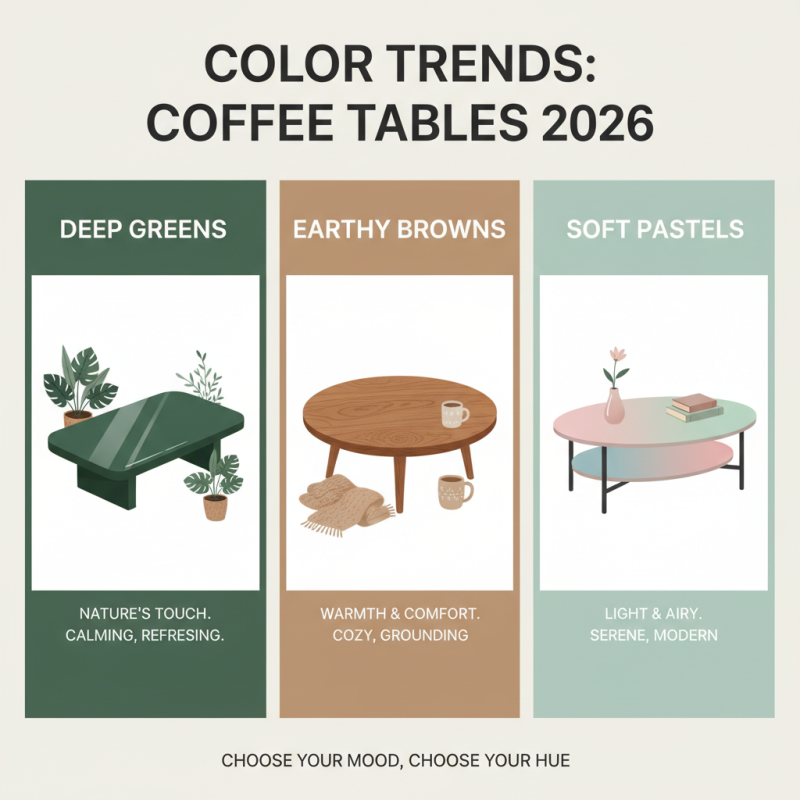
Choosing the right coffee table can enhance your living space. In 2026, color trends are vital in making that decision. Popular palettes include deep greens, earthy browns, and soft pastels. Each color evokes different feelings and styles. Deep greens bring a touch of nature indoors. Earthy browns offer warmth, while pastels create a light, airy ambiance.
When selecting colors, think about your existing decor. A rich, dark coffee table can serve as a striking focal point. In contrast, pastel tones can complement lighter furniture. Layering colors adds depth. Mix and match hues for a more dynamic look.
Tip: Don’t shy away from contrasting colors. A bold coffee table can elevate a neutral space drastically. Remember, the goal is to create balance through colors. Experiment before making a purchase. You can use paint swatches or digital apps to visualize the impact. A harmonious color scheme makes your space inviting and cohesive.
Functional Features in Coffee Tables: Storage Solutions and Multi-Use Designs
When selecting a coffee table, consider functionality alongside style. The latest trends highlight multi-use designs that cater to modern living spaces. According to a recent report by the Home Furniture Market, over 40% of consumers prioritize storage solutions in their coffee table choices. This indicates a shift towards versatile pieces that can accommodate daily needs.
One popular option is coffee tables with drawers or hidden compartments. These pieces not only serve as a stylish centerpiece but also provide essential storage for items like remotes, magazines, or blankets. The space-saving aspect is vital in urban homes where square footage is limited. Multi-functionality enhances both aesthetics and practicality.
Tips: When browsing, look for tables that can easily convert into larger surfaces or those with nested design elements. Implementing a coffee table with a lift-top feature could also offer an innovative workspace for laptops. Keep in mind the potential clutter; a table with many features might lead to disorganization. Focus on balance—look for designs that blend beauty with purpose.
2026 Coffee Table Styles: Functional Features and Storage Solutions
Market Analysis: Consumer Buying Behavior for Coffee Tables in 2026
As we approach 2026, understanding consumer buying behavior for coffee tables is crucial. Today's consumers prioritize functionality and style. They look for pieces that enhance their living spaces while serving practical purposes. Many prefer tables that can double as storage or display areas. This shift in preference reflects a growing trend towards multifunctional furniture.
Style plays a significant role as well. Minimalist designs are gaining traction, appealing to those who favor simplicity. Despite this, there’s room for eclectic styles. Buyers often seek unique pieces that tell a story. However, trends can be cyclical. What’s popular now may fall out of favor in a few years.
Sustainability is becoming a critical factor. Many consumers are more conscious about their choices. They look for eco-friendly materials and production methods. The challenge lies in balancing aesthetics with sustainability. Some buyers may struggle to find products that meet both criteria. This creates a gap in the market for innovative designs. Understanding this behavior helps retailers tailor their offerings effectively.