2026 How to Choose the Perfect Coffee Table for Your Living Room?
Choosing the perfect coffee table can transform a living room. According to a recent industry report by the Home Furnishings Association, 75% of homeowners prioritize functionality in their coffee table selection. It's not just about aesthetics; the coffee table serves as a centerpiece, impacting the overall vibe of the space.
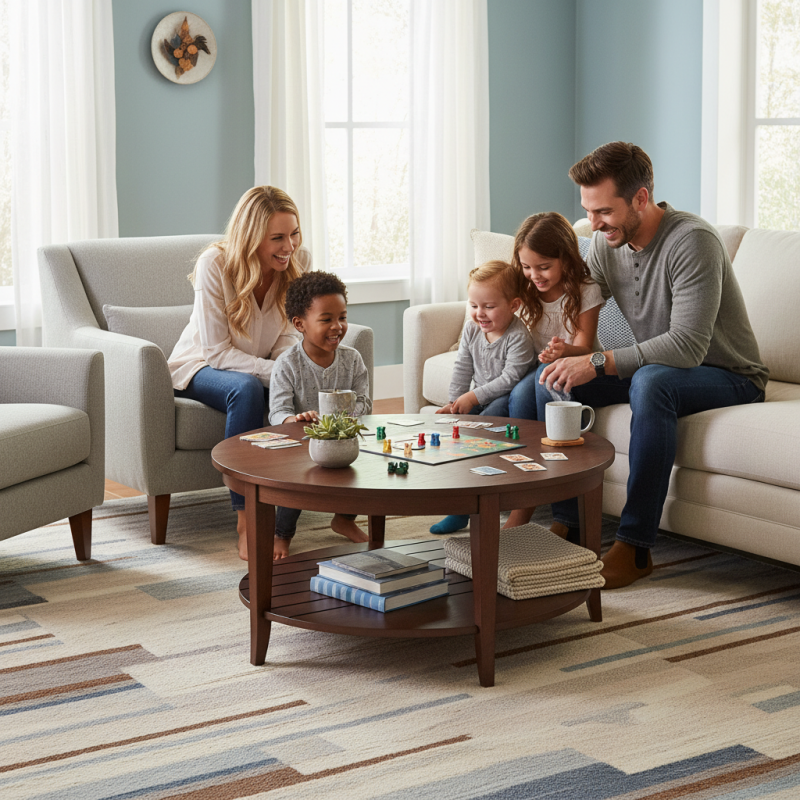
Renowned designer Sarah Johnson emphasizes, "A coffee table is more than just furniture; it is a reflection of your lifestyle." Families often gather around it for casual chats or board games. Yet, many overlook factors like size and material. A coffee table should complement your seating arrangement, not overpower it.
Consider practicality—do you frequently entertain guests? A table with storage can help keep your living room tidy. The right choice can elevate comfort and style. However, making this decision can be daunting. The sheer variety can overwhelm buyers, making it important to think critically about your unique needs.
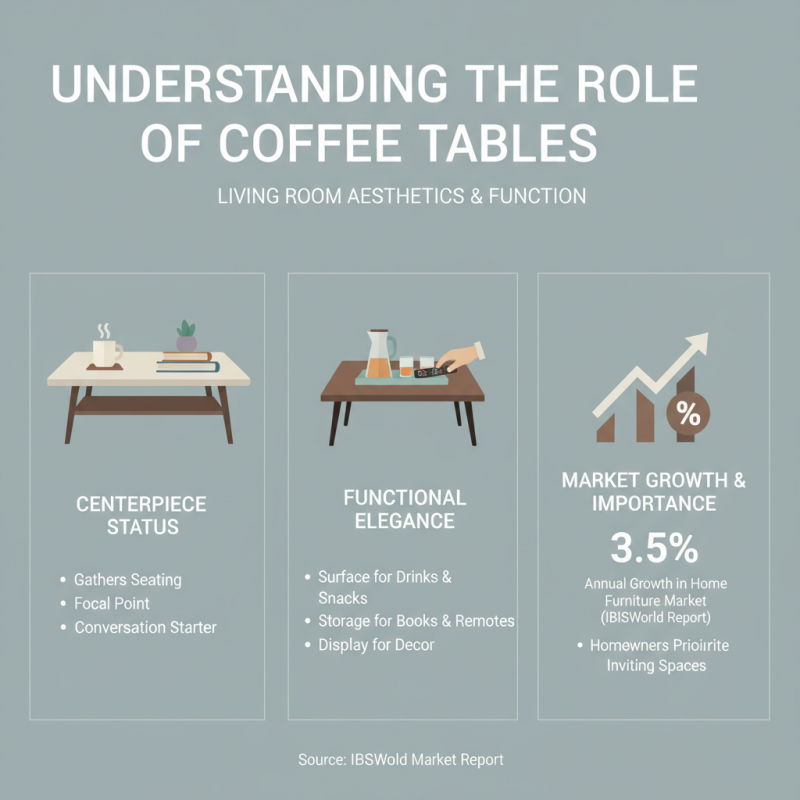
Understanding the Role of Coffee Tables in Living Room Aesthetics
Coffee tables serve as the centerpiece of living rooms, blending functionality with aesthetic appeal. They provide a surface for drinks, books, and decorative items while enhancing the room's overall style. According to a recent market report by IBISWorld, the home furniture market is projected to grow by 3.5% annually. This growth indicates that more homeowners recognize the importance of coffee tables in creating inviting spaces.
Selecting the right coffee table involves considering size, material, and design. A table that complements the sofa enhances visual cohesion. A wooden coffee table can add warmth to a room, while glass can create an illusion of space. A study from Houzz shows that 70% of homeowners prefer tables that offer extra storage. This trend highlights practicality without sacrificing style.
**Tips:** Choose a coffee table that matches your lifestyle. If you entertain often, select one with a sturdy surface. Also, consider height; it should align with your seating for ease of use. Experiment with shapes—round tables can soften corners, making spaces feel more inviting. Remember, the perfect coffee table reflects personal taste and fits harmoniously into the overall decor.
Evaluating Space Requirements: Size and Shape Considerations for Coffee Tables
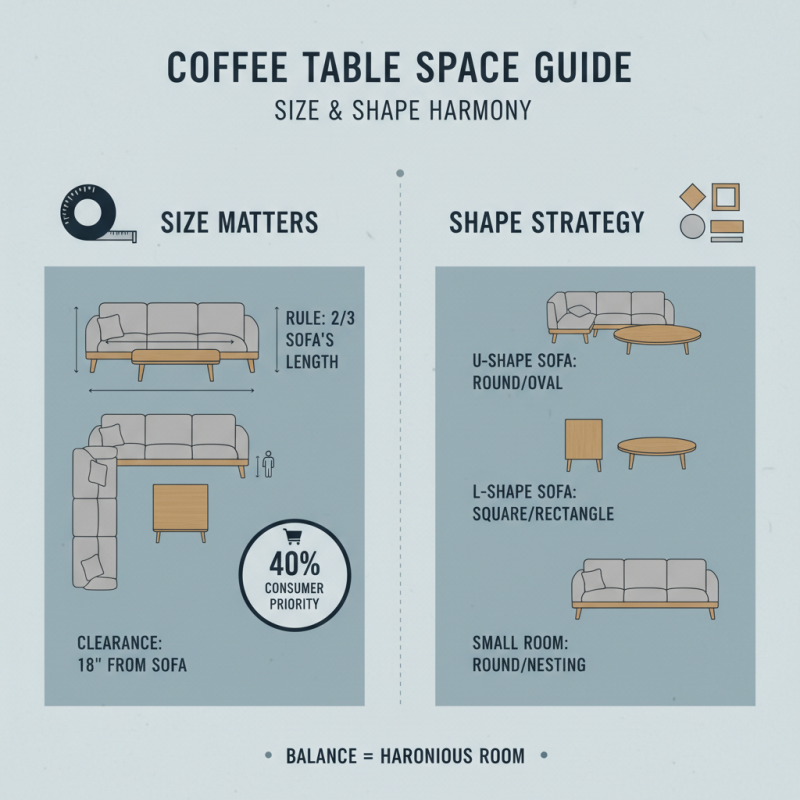
Choosing the right coffee table can change the dynamics of your living space. Size and shape are crucial to creating a harmonious environment. A report from the Home Furnishings Association indicates that 40% of consumers prioritize table size in their purchasing decisions. A coffee table should not overwhelm the room. It must create a balance with the sofa and other furniture.
When considering size, it’s vital to measure your space. For small living rooms, opt for round tables. They offer flow and avoid sharp corners. A rectangular table may work better in larger areas. Ideally, allow 12 to 18 inches between the table and seating for ease of movement. According to a recent survey by the National Home Furnishings Association, only 30% of users correctly gauge this spacing, limiting comfort in their layout.
Shape matters too. Square tables offer symmetry, while oval tables provide softer lines. Think about the function as well. Will the table serve snacks or host decor? Neatness is essential, but practicality shouldn’t be sacrificed. Reflecting on your space is crucial; if the coffee table doesn’t fit, it can disrupt the entire aesthetic. In fact, many homeowners overlook this aspect, leading to awkward room arrangements.
Material Choices: Wood, Glass, and Metal - Which is Right for Your Style?
Choosing the right coffee table involves understanding material options. Wood, glass, and metal each bring distinct aesthetics and functionality. A report from the American Furniture Manufacturers Association highlights that over 50% of homeowners prefer wooden coffee tables for their durability and warmth.
Wood offers a rustic charm and a sturdy feel. Popular varieties include oak and walnut. They provide excellent longevity but require regular maintenance. While scratches and dents may happen, they can often enhance the character of the piece. The choice may reflect personal style but also influences practicality.
Glass coffee tables offer a modern, airy look. They can visually enlarge a space, perfect for smaller rooms. However, they’re prone to fingerprints and require frequent cleaning. Metal tables bring industrial flair and strong construction. Lightweight and easy to move, they are also susceptible to scratches. Each material has strengths but also weaknesses; consider your lifestyle when making a decision.
Material Choices for Coffee Tables
This chart illustrates the popularity of different materials used for coffee tables based on surveys conducted among interior designers. The three main materials, wood, glass, and metal, are compared to determine which is preferred for various living room styles.
Functional Features: Storage Solutions and Multi-Functional Coffee Tables
When selecting a coffee table, consider its functionality.
Multi-functional pieces can save space and enhance utility. For example, a coffee table with built-in storage can minimize clutter.
You can find tables that open up to reveal hidden compartments. This is perfect for small living rooms where every inch counts.
Also, think about the surface material. A durable top is essential for everyday use.
Tables with wood or glass tops often blend well with various décor styles. It’s a struggle to find the right balance between aesthetic appeal and practicality.
Look for designs that are visually pleasing but also serve a purpose.
Reflect on how you use your living space. If you often , a larger table may be needed.
If you have kids or pets, a sturdier table is wiser. Don’t forget about your personal style.
The table should complement your overall décor while being functional.
Aim for harmony between form and function.
Current Trends: Popular Coffee Table Designs and Consumer Preferences in 2026
In 2026, the coffee table is more than just a functional piece. It's a statement and a reflection of personal style. Current trends show a strong preference for multifunctional designs. Many consumers opt for tables with hidden storage. These designs are both practical and visually appealing. Minimalism continues to gain traction, favoring clean lines and simple shapes.
Natural materials are making a comeback. Wood, stone, and metal are popular choices for creating a warm and inviting atmosphere. However, this trend raises questions about sustainability. Consumers may want to consider sourced materials carefully. While aesthetics are crucial, the origin of materials should not be overlooked.
Mixed textures are also trendy. Combining materials adds depth to the living space. Plush fabrics contrast nicely with sleek finishes. Yet, not every combination will suit every decor style. Some pairings may feel disjointed, inviting reconsideration. Ultimately, it’s about finding balance and harmony in design, while ensuring the table serves its intended purpose.
2026 How to Choose the Perfect Coffee Table for Your Living Room? - Current Trends: Popular Coffee Table Designs and Consumer Preferences in 2026
| Design Type |
Material |
Color |
Size (Length x Width x Height cm) |
Price Range (USD) |
Consumer Preference (%) |
| Mid-Century Modern |
Wood |
Natural |
120 x 60 x 45 |
300 - 500 |
25 |
| Industrial |
Metal & Wood |
Black |
140 x 70 x 40 |
250 - 450 |
20 |
| Scandinavian |
Plywood |
White |
100 x 50 x 50 |
200 - 400 |
30 |
| Contemporary |
Glass |
Clear |
120 x 80 x 40 |
400 - 600 |
15 |
| Rustic |
Reclaimed Wood |
Brown |
130 x 65 x 45 |
300 - 550 |
10 |