Why Choose the Perfect Dining Table for Your Home?
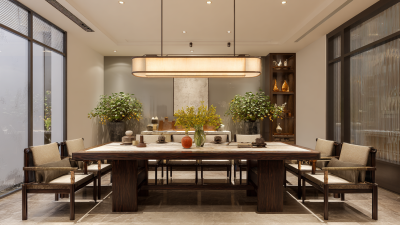
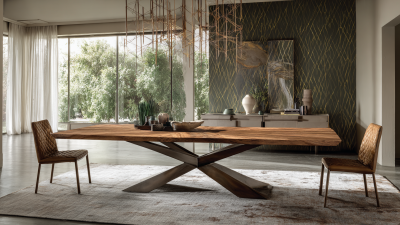
Choosing the perfect dining table is more than just a purchase; it’s about creating memories. Maria Santos, an interior design expert, once said, "A dining table is the heart of the home." This statement highlights the dining table's role in family gatherings and celebrations.
A well-chosen dining table can enhance your home’s aesthetic while serving practical needs. Consider the style, size, and material. Are you drawn to classic wood or modern glass? Each choice brings its own vibe. Think about the people who will sit around it. A table that’s too small can feel crowded. A table that’s too big might overwhelm a small space.
However, finding the perfect dining table is not always easy. It requires thought and reflection. You may face tough decisions. What works for one home may not fit another. Ultimately, the right choice will resonate with your personal taste. Balancing function and style is key. After all, your dining table is where life unfolds, and memories are made.
Understanding the Importance of a Dining Table in Home Design
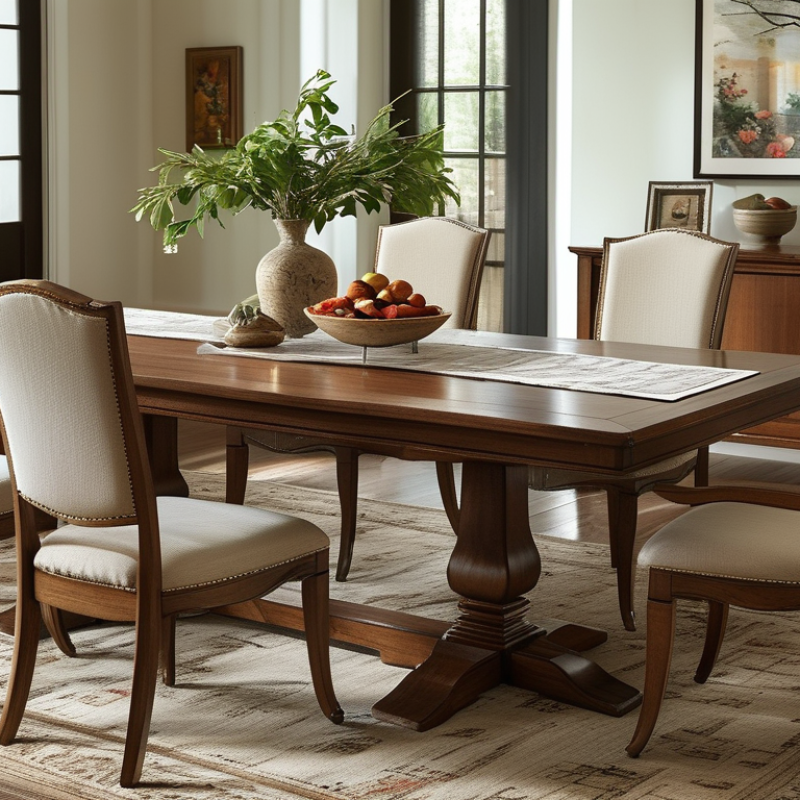
The dining table holds significant importance in home design. It serves as a central gathering space for family and friends. According to a 2022 report from the National Kitchen and Bath Association, over 80% of homeowners emphasize the dining area’s role in social interactions. This statistic highlights how dining tables contribute to creating memorable moments.
Choosing the right dining table can be challenging. Styles vary widely, from traditional to modern. An analysis by the American Home Furnishings Alliance indicates that 55% of consumers struggle to select furniture that fits their lifestyle and aesthetics. This confusion often leads to purchases that may not suit evolving needs. A table should complement not only the room's decor but also the household’s dynamics.
Reflection is key when selecting a dining table. Functionality is just as crucial as appearance. Think about the number of occupants and usage frequency. A report from the Furniture Today shows that 30% of buyers regret their choices due to size issues. It’s wise to consider future gatherings. Balancing style with practicality can produce a harmonious dining experience.
Importance of a Dining Table in Home Design
Factors to Consider When Choosing a Dining Table
Choosing the right dining table is not just about aesthetics. It plays a crucial role in your home’s functionality. According to a recent industry report, nearly 70% of homeowners consider the dining table the centerpiece of their dining experience. Factors such as size, shape, and material can significantly influence your choice.
Size matters. Your dining table should accommodate family meals comfortably. According to the National Kitchen and Bath Association, a table needs at least 24 inches of space per person. For a family of four, this means a table that is at least 60 inches long. Shape is also vital. Round tables foster conversation. However, rectangular tables maximize space. Think about your dining area’s dimensions before making a decision.
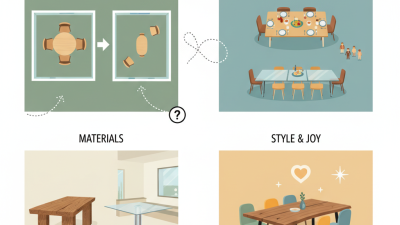
Material choices can affect durability. Wood is durable but may require maintenance; glass offers sleek elegance but can be fragile. Research shows that about 30% of consumers choose less durable options for style over practicality. Reflect on your lifestyle. If you entertain frequently, opt for sturdier materials that can withstand wear. Balancing aesthetics with practical needs is key to finding a perfect fit.
Exploring Different Styles and Materials for Dining Tables
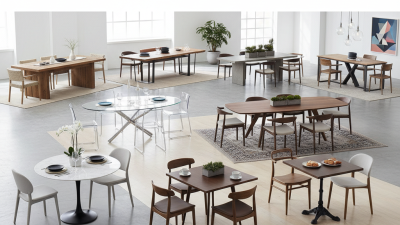
Choosing the right dining table involves understanding various styles and materials. Different tables create unique atmospheres in your home.
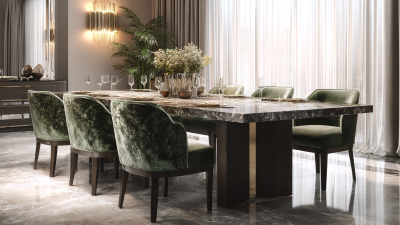
A rustic wood table may exude warmth, while a sleek glass table conveys modern elegance. Each choice can change your dining experience dramatically.
Consider the practicality of materials. Solid wood is durable and can last for generations. However, it may require regular maintenance.
Glass tables are stylish, but they can be challenging to keep clean and free of fingerprints. Metal bases can add an industrial touch, yet they may not suit every décor.
Personal taste plays a significant role. It’s essential to reflect on the overall design of your home. An ornate table may clash in a minimalist space.
Finding balance in style and function can be challenging. A dining table should not just appeal to the eye but also fit your lifestyle.
Each decision shapes the kind of memories you create around that table.
Sizing Your Dining Table: Achieving the Perfect Fit for Your Space
Choosing the right dining table is crucial for your home. Sizing is key to achieving the perfect fit for your space. A table that is too large can overwhelm a room, while one that is too small may leave the area feeling sparse. Consider your dining area layout before making a choice.
When measuring, account for space around the table. Each person needs about 24 inches of space. This allows for comfortable seating and movement. A common mistake is underestimating this space. Take measurements of your room and visualize the table in different positions.
Tips:
Think about the shape of your table. Round tables can save space and encourage conversation. Rectangular tables often work better in longer rooms. Also, consider the height. Standard tables are 28-30 inches high, but some might prefer a counter-height table.
Reflect on your needs. How many guests do you typically entertain? Be realistic about your lifestyle. An ideal dining table balances aesthetics and utility. You may find that what looks good isn't always practical. Testing different sizes can lead to better decisions.
Maximizing Functionality and Aesthetics in Dining Table Selection
Choosing the right dining table can elevate both function and design in your home. A table serves as the centerpiece for family gatherings and meals. Its size and shape greatly influence your dining experience. Consider your space; a long rectangular table suits larger rooms, while round tables fit well in cozier areas.
Functionality is just as vital. Assess your lifestyle—do you host large dinners or prefer intimate meals? An extendable table could be a perfect fit. It offers versatility for different occasions. Also, consider the materials used. Solid wood adds warmth but requires maintenance. Glass tops bring elegance but can be fragile.
Aesthetic appeal matters too. The table should complement your existing decor. Experiment with colors and finishes that reflect your style. However, finding a balance can be challenging. A table that looks great might not meet your practical needs. Thus, it's essential to reflect on what truly works for your home. Making the right choice involves careful consideration of both beauty and purpose.