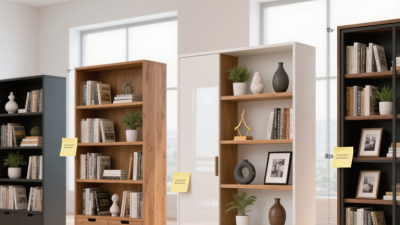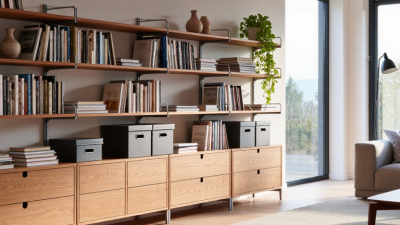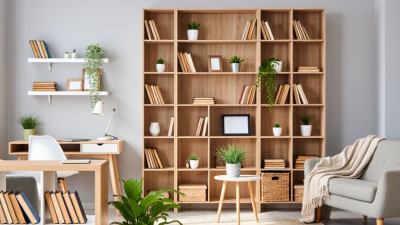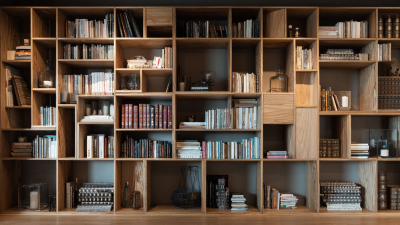
A Bookcase is a piece of furniture designed to hold books, but its role rarely stops there. It can also display framed photographs, pottery, or the small objects that make a room feel personal. Some models stand freely; others attach to a wall or fit into an alcove. Their dimensions, materials, shelf spacing, and load capacity all shape how well they work in a particular home.
The wider furniture market offers useful context, though it does not measure bookcases alone. Grand View Research’s furniture-market report valued the global market at approximately $541.52 billion in 2023. That figure signals a large, changing sector, not a bookcase sales total. For a design perspective, interior designer Nate Berkus has said, “Your home should tell the story of who you are, and be a collection of what you love.” A bookcase can put that idea on display, from neatly arranged hardcovers to a slightly uneven row of paperbacks. Real homes are not showrooms. And that is fine.
Choosing one involves practical questions as well as style. Will the shelves fit oversized books? Can the frame support the intended load? Does its depth leave enough room to move comfortably? A quick tape measure can prevent an awkward surprise. Still, the “right” bookcase is not always the tidiest or most expensive one. Personal needs vary, and product descriptions may not explain every detail clearly. This guide explores what a bookcase is, how common types differ, and what to consider before choosing one.
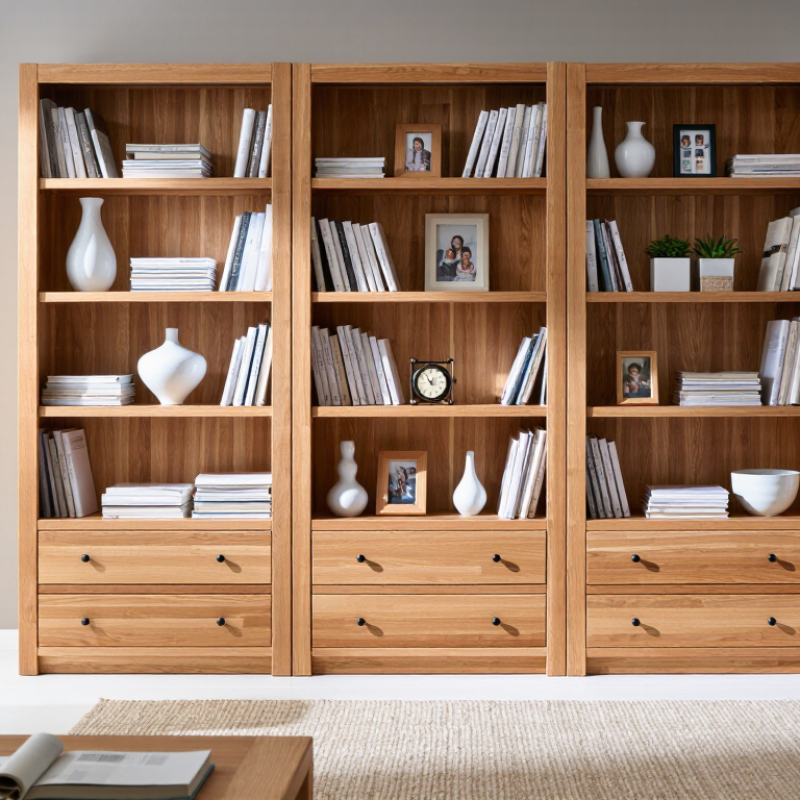
A bookcase is a piece of furniture designed to hold books on open or enclosed shelves. Its defining feature is a stable frame with horizontal surfaces that support items at several heights. Many bookcases also have a back panel, side walls, or adjustable shelves. These parts help keep books upright and reduce wobbling. A simple model may be little more than shelves and supports. That can be enough.
Size and construction shape how well a bookcase works. Deep shelves can fit large art books, while narrower ones keep paperbacks from disappearing at the back. Adjustable shelf pins let you change the spacing for tall volumes or storage boxes. Check that shelves do not sag under weight, especially across a wide span. A solid back and secure joints can improve stability. Wall anchoring is sensible in homes with children or pets, though people sometimes overlook it.
A bookcase may be freestanding or built into a wall. Materials range from wood and metal to engineered panels, each with different weight, upkeep, and durability. Look for smooth edges, even shelf spacing, and a base that sits level on the floor. A shelf that looks sturdy in a showroom may feel less so once loaded. Books are heavier than they seem.
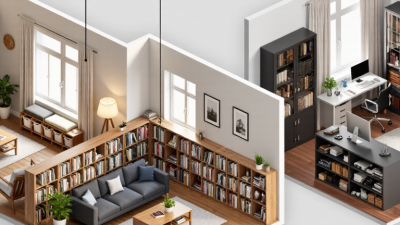
Bookcases began as practical storage, but their form changed with the spread of books. In medieval libraries, valuable volumes often rested on lecterns or behind doors. Some were chained to reading desks. A visible shelf was not yet the default.
Printing made books more available, and by the seventeenth and eighteenth centuries, cabinets and open shelving appeared in private libraries. Makers added glazed doors, carved cornices, and adjustable shelves. The furniture signaled status as much as storage. A little less practical, perhaps. In the nineteenth century, expanding public libraries encouraged taller, standardized shelving that could hold growing collections. The design became more functional, though dark wood and heavy proportions remained common.
Modern bookcases reflect smaller rooms, changing materials, and flexible interiors. The U.S. Census Bureau’s 2023 Characteristics of New Housing report lists the median floor area of new single-family homes as 2,286 square feet. That figure does not measure bookcase demand, but it helps explain why compact, modular storage matters. Today’s designs often combine open shelves with closed cabinets, making space for books, baskets, and objects. The trade-off is real: open shelves are easy to reach, yet dust gathers quickly. A bookcase can be efficient and still feel a little unfinished.
A bookcase is a storage unit with shelves for books and other household items. Freestanding models are easy to move and come in many heights. Wall-mounted shelves save floor space, but need secure attachment to suitable wall supports. Built-in bookcases fit an alcove or wall recess. Modular units let you add or rearrange sections as your collection changes. Some lean against a wall; they look light, but require careful setup.
Configurations affect how a bookcase works. Adjustable shelves fit tall cookbooks, storage baskets, or short paperbacks. Fixed shelves can feel sturdier, though they offer less flexibility. A wide, low unit may suit a living room, while a narrow vertical one can use a tight corner. Measure the space, including baseboards and door swings. Check the maker’s load guidance, and distribute heavy books across lower shelves. There is no perfect layout; a shelf that looks balanced may still be awkward to reach.
Tips: Keep frequently used books near eye level. Place heavier volumes lower, and secure tall units against tipping. Leave a little room for future additions. It is easy to underestimate how quickly shelves fill up.
What Is a Bookcase? Materials and Construction Methods
A bookcase combines shelves, vertical sides, a top, and usually a back panel. Its materials determine weight, stability, appearance, and repair options. Solid wood can be sanded and refinished, but it may move as humidity changes. Plywood uses cross-laminated veneers for a stable panel, while medium-density fibreboard and particleboard offer smooth, uniform surfaces. Their edges need protection from moisture and impact.
The USDA Forest Products Laboratory’s Wood Handbook (FPL-GTR-282, 2021) reports that wood shrinks more across the grain than along it; tangential shrinkage from green to oven-dry commonly ranges about 3–12%, depending on species. This helps explain why well-built shelves allow for seasonal movement. Joinery matters, too: screws, dowels, or cam fittings connect the frame, while a securely attached back panel helps resist side-to-side racking. A thin back can flex, so it is not a cure for every weak frame.
Tips: Check shelf thickness, edge finish, and joint tightness before buying. Keep heavy books low. Even sturdy-looking shelves can sag over time; load ratings and spans are worth checking.
Typical density of common bookcase materials (kg/m³)
These figures are representative estimates; actual density varies by wood species, panel grade, and moisture content. Bookcases may be built with solid wood or sheet goods such as plywood, MDF, and particleboard. Shelves are commonly attached with screws, dowels, or dado joints, while a back panel can help resist side-to-side racking.
What Is a Bookcase?
A bookcase is a piece of furniture with shelves for books and other household items. Its everyday value is simple: it keeps useful things visible and within reach. In a home office, it can hold reference books, folders, and a small tray for loose papers. In a child’s room, lower shelves make picture books easier to choose and put away. Keep heavier items on lower shelves. It feels steadier.
Placement affects how useful a bookcase feels. Measure the wall and the furniture nearby before choosing a spot. Leave enough room to open doors, pull out chairs, and walk past comfortably. A narrow hallway may suit a shallow case, while a study can accommodate deeper shelves. Avoid placing a tall, heavily loaded case where it could tip; secure it according to the maker’s instructions. Check the floor, too. Uneven boards can make a bookcase wobble.
Bookcases can also divide a room without blocking all the light. A low shelf between a sitting area and a desk creates a gentle boundary, while still keeping both spaces connected. In a kitchen, shelves may hold cookbooks and jars, but keep them away from heat and splashes. Not every item belongs on display. Clutter gathers quickly, and arranging objects by color can look less practical than it seems. A little empty space helps.
| Room or Area | Practical Use | Suitable Bookcase Style | Placement Guidance | Helpful Considerations |
|---|---|---|---|---|
| Living room | Stores books, games, framed photos, and decorative objects. | Open shelves or a combination of open and closed storage. | Place against a stable wall, leaving walkways and windows unobstructed. | Arrange heavier items on lower shelves to help keep the unit stable. |
| Home office | Keeps reference books, files, and office supplies within reach. | Tall shelving or a compact unit beside a desk. | Position near the workspace without blocking access to doors or drawers. | Use labeled boxes or baskets for small supplies and loose papers. |
| Bedroom | Holds books, personal items, and folded accessories. | Low bookcase or narrow shelving unit. | Choose a location that does not narrow the route around the bed. | A low unit can also provide a surface for a lamp or alarm clock. |
| Dining room | Stores cookbooks, serving pieces, and table linens. | Bookcase with adjustable shelves or closed lower compartments. | Keep it clear of chair movement and the main path around the table. | Protect books and paper items from spills and excess moisture. |
| Entryway | Organizes baskets, mail, and everyday accessories. | Shallow bookcase or low shelving unit. | Place it where it will not obstruct the entrance or a clear exit route. | Use sturdy containers for frequently handled items and keep the top uncluttered. |
| Children’s room | Makes books and toys easier to sort and put away. | Low, accessible shelving with simple compartments. | Set the unit on a level floor and secure it to the wall according to its instructions. | Keep heavier objects low and avoid placing climbable items where they invite climbing. |
| Hallway or landing | Provides compact storage for books or household items. | Narrow, shallow bookcase suited to the available space. | Measure the area first and preserve a clear passage. | Avoid blocking vents, switches, outlets, or access to safety equipment. |