How to Choose the Right Bookcase for Your Home?
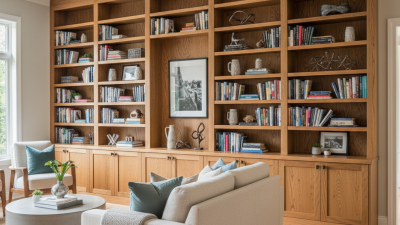
Choosing a Bookcase is not simply a matter of matching wood tones or shelf shapes. It affects storage, movement, lighting, and the room’s overall balance. In real homes, small details often matter most. A bookcase that looks elegant online may feel bulky beside a sofa. A tall unit may offer excellent storage but make a narrow room feel crowded. Measure the wall, doorway, skirting board, and available floor space before choosing a style.
Think about what the shelves must support. Heavy art books, ceramic objects, and storage boxes need strong shelves with dependable weight ratings. Adjustable shelves provide flexibility when your collection changes. Solid wood feels warm and durable, while engineered wood can offer consistent dimensions and a lower price. Metal frames suit modern interiors, but they may create a colder visual effect. Consider the finish carefully. Glossy surfaces show fingerprints and dust quickly.
Safety deserves equal attention. Tall furniture should be secured according to the manufacturer’s instructions, especially in homes with children or pets. Check for smooth edges, stable feet, and reliable hardware. Place books at comfortable heights, leaving frequently used titles within easy reach. Do not fill every shelf immediately. Empty space can make the room calmer and easier to maintain. Still, personal taste complicates every recommendation. The “perfect” Bookcase may not exist, and a slightly imperfect choice can sometimes make a room feel more lived-in. Evaluate your habits, not only the photographs.
Assessing Your Storage Needs and Available Space
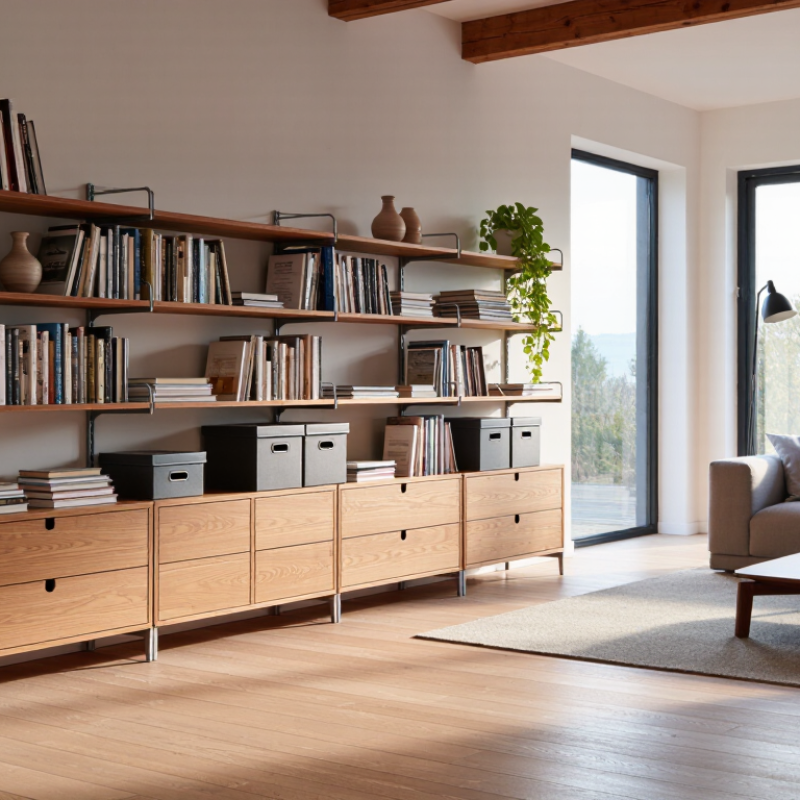
Choosing the right bookcase starts with understanding what you need to store. Count your books, baskets, records, and decorative objects. Measure their height, depth, and approximate weight. A shelf designed for paperbacks may not support heavy art books safely. Leave room for growth, but avoid buying far more storage than your home requires.
Available space matters just as much. Measure the wall width, ceiling height, doorway, and nearby furniture. Check window openings, electrical outlets, and heating vents. A tall bookcase can use vertical space efficiently, but it may make a narrow room feel crowded. In my own home, I once ignored the door swing and had to reposition the entire unit. Measure twice. It saves frustration.
Tips: Mark the bookcase area with painter’s tape before buying. Stand inside the outline and notice walking space. Keep at least a comfortable passage near doors. For children’s rooms or busy households, choose stable construction and secure tall furniture to the wall. Shelves should remain level, with heavier items placed lower. I also recommend recording measurements on paper, because memory is less reliable than it seems. Check your assumptions again.
How to Choose the Right Bookcase for Your Home? - Assessing Your Storage Needs and Available Space
| Room or Use |
Typical Available Width |
Recommended Bookcase Width |
Recommended Depth |
Recommended Height |
Typical Shelf Capacity |
Suitable Storage |
Planning Considerations |
| Small bedroom |
60–90 cm |
50–80 cm |
20–30 cm |
120–180 cm |
80–160 average books |
Paperback books, notebooks, small décor |
Keep at least 60 cm of clear walking space in front. |
| Living room |
120–240 cm |
100–220 cm |
25–35 cm |
150–210 cm |
180–450 average books |
Books, framed photos, plants, media accessories |
Combine open shelves with closed storage to reduce visual clutter. |
| Home office |
80–180 cm |
70–160 cm |
25–35 cm |
150–200 cm |
120–320 average books |
Reference books, files, binders, office supplies |
Allow extra depth for standard folders and binders, which are commonly about 28–32 cm deep. |
| Children's room |
60–120 cm |
50–100 cm |
20–30 cm |
75–140 cm |
60–180 children's books |
Picture books, toys, school supplies |
Choose low, stable shelves and secure the unit to the wall where appropriate. |
| Hallway or entryway |
50–100 cm |
40–80 cm |
18–28 cm |
90–180 cm |
50–150 average books |
Small books, baskets, keys, mail, decorative items |
Maintain a clear passage of approximately 90 cm or more where possible. |
| Large reading room |
240 cm or more |
180–300 cm per section |
25–35 cm |
180–240 cm |
350–700 average books |
Mixed book collections, art books, collectibles |
Use multiple sections rather than one excessively wide unit for easier transport and stability. |
Measurement guide: Measure the narrowest available width, the full usable height, and the depth that will not obstruct doors, windows, heating units, or walkways. Leave a small installation allowance around the bookcase and check the manufacturer's stated load capacity before filling the shelves.
Choosing a Bookcase Type and Configuration
Choosing a bookcase starts with the room, not the shelf style. A freestanding unit suits renters and flexible layouts; modular shelves adapt as collections grow. Built-ins use wall space efficiently, but they are harder to move. Measure the wall, baseboards, and door swing before deciding. A narrow, tall case can feel elegant, though it may wobble on uneven flooring. Anchor it securely.
Configuration matters as much as type. For heavy art books, choose sturdy shelves and keep the weight low; lighter paperbacks can sit higher. Adjustable shelves help when book heights vary, but too many adjustments can leave the unit feeling less solid. The U.S. Consumer Product Safety Commission’s 2023 tip-over report estimated 22,500 emergency-department-treated injuries from tip-over incidents in 2022, involving furniture, televisions, and appliances. That figure is not specific to bookcases, but it is a useful reminder to secure tall furniture to a wall. Leave a little breathing room around the case, too. A packed shelf looks efficient, but it makes books harder to remove and can strain the shelves over time.
Comparing Materials, Construction, and Durability
How to Choose the Right Bookcase for Your Home?
Material affects stability, weight, and indoor air quality. Solid wood handles repeated assembly well, but it expands with moisture. The USDA Forest Products Laboratory’s Wood Handbook explains that wood movement follows changes in humidity. Engineered wood is usually more affordable and dimensionally consistent. However, weak edge banding can chip around screw holes. Steel offers excellent load capacity, but thin panels may flex or dent. Glass shelves look light, yet they need careful thickness and support spacing.
Construction matters more than appearance. Look for a rigid back panel, reinforced corners, and adjustable feet. ANSI/BIFMA X5.9 storage-unit testing examines strength, stability, and durability under repeated loads. Ask whether the bookcase passed comparable testing. EPA indoor-air guidance reports that pollutant levels indoors can be two to five times higher than outdoors. Some pollutants may reach much higher levels. Choose low-emission composite wood, and allow new furniture to air out.
Tips: Measure the wall, doorway, and shelf depth. Place heavier books on lower shelves. Press the frame gently; movement signals poor joinery. I once trusted a beautiful, inexpensive unit and ignored its thin back. It sagged within months. That mistake changed my buying checklist. Check screw quality, shelf-pin fit, and the maker’s load data. A small flaw today can become a crooked shelf tomorrow.
How to Choose the Right Bookcase for Your Home?
Comparing Materials, Construction, and Durability
This comparative index uses a 1–5 scale to summarize typical performance in load-bearing capacity, moisture resistance, and fastener holding. Solid hardwood and steel generally provide the strongest long-term performance, while plywood offers a lighter and more dimensionally stable alternative. Particleboard is economical but is more vulnerable to moisture and edge damage. Actual durability depends on shelf span, thickness, joinery, wall anchoring, humidity, and weight distribution.
Matching Bookcase Size and Style to Your Room
How to Choose the Right Bookcase for Your Home?
A bookcase should fit your room before it holds your books. Measure the wall, ceiling height, skirting board, and nearby door swing. Leave at least 5–10 centimeters around the unit for easier installation and visual breathing space. In my room-planning experience, many people choose shelves that are too deep. A depth of 25–35 centimeters usually stores books without stealing valuable floor space. Check each shelf’s weight limit, especially for large art books or storage boxes.
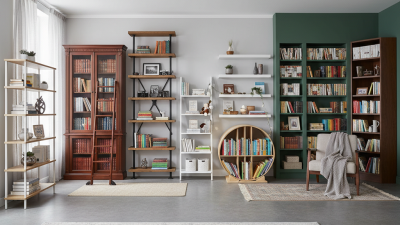
Match the bookcase style to the room’s existing lines. A tall, narrow design suits a small room with high ceilings. A low, wide unit can make a long wall feel calmer. Open shelves create an airy appearance, while doors reduce dust near windows or kitchens. Wood tones add warmth, but metal or painted finishes may suit a cleaner, modern interior. I once selected a beautiful dark unit for a bright room, and it felt heavier than expected. The choice looked right online, but not in natural light.
Tips: Use paper or masking tape to outline the bookcase on the floor. Test walking space before buying. Keep frequently used books between waist and eye level. Secure tall units to the wall using suitable hardware. Recheck measurements twice; small errors matter. Allow some empty shelf space, because completely full storage often looks crowded.