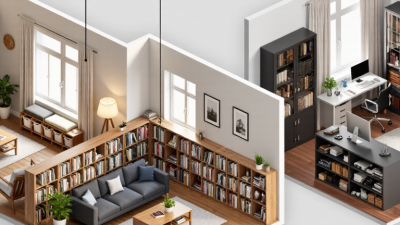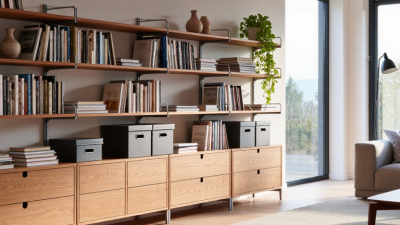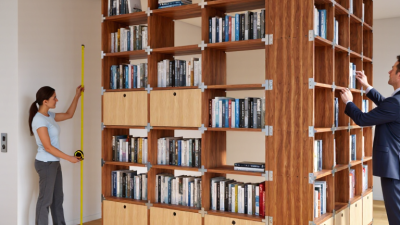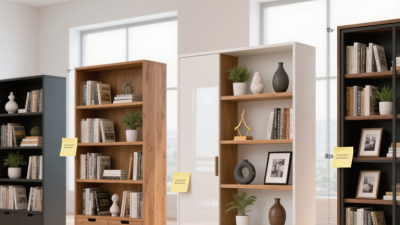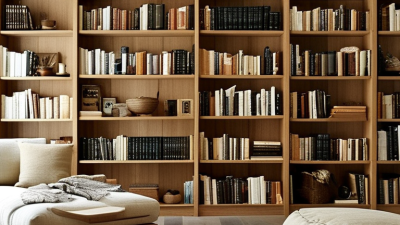
A Bookshelf is a piece of furniture designed to store and display books, but its role often extends beyond the shelf itself. It can organize a reading corner, hold framed photographs, or make useful space beside a desk. Some designs are compact and plain. Others become a room’s main visual feature. The right choice depends on what it must hold, where it will stand, and how the room is used.
Common options include freestanding bookcases, wall-mounted shelves, built-in units, ladder shelves, and cube organizers. Freestanding models are easy to move, while built-ins can fit awkward alcoves more closely. Wall-mounted shelves save floor space, though their fixings must suit the wall and expected load. Ladder shelves offer an open look, but may provide less secure storage for heavy books. Cube units can sort books, baskets, and small objects in clear sections.
Materials and construction matter, too. Solid wood, engineered boards, and metal each bring different costs, weights, and finishes. Check shelf depth, spacing, and stated weight limits before buying; a large art book needs more room than a paperback. A loaded unit may also need to be secured to prevent tipping, especially in homes with children or pets. Details like these are easy to overlook. A shelf can look sturdy in a photograph and feel less convincing in a small room. This guide explores bookshelf types and practical factors to consider, so readers can compare options with clearer expectations.
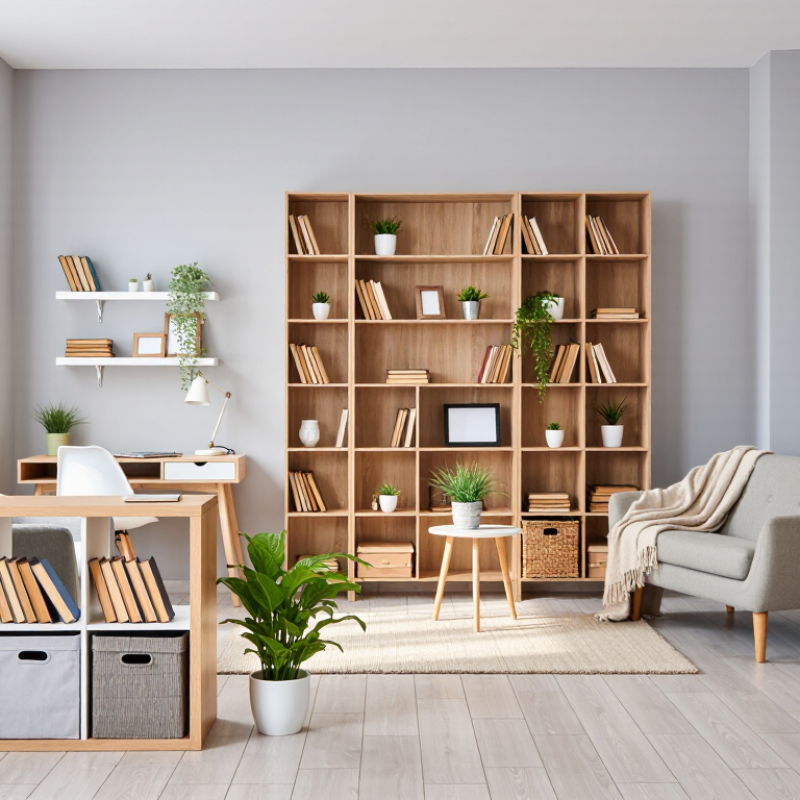
A bookshelf is a piece of furniture designed to hold books on horizontal shelves. It may stand against a wall, fit into a recess, or sit on a desk. Some units have open sides; others include a back panel, doors, or drawers. It is furniture. Its shape affects how books fit, how easily they can be reached, and how much floor space it uses.
The main function is storage, but a bookshelf also helps organize reading materials. Grouping books by subject, size, or how often they are used can make a crowded collection easier to navigate. Adjustable shelves accommodate tall atlases or small paperbacks, while deeper shelves may hold baskets and folders. A useful detail: leave a little room to slide books out without scraping their covers. Too much empty space, though, can make a shelf look unfinished.
Bookshelves also display objects and give a room a sense of character. A few framed photographs or pottery pieces can break up rows of spines, provided the shelf remains stable and uncluttered. Weight matters. Heavy books generally belong on lower shelves, and tall units should be secured when children or pets may bump them. A bookshelf does not organize a room by itself; sometimes, the arrangement needs changing as a collection grows.
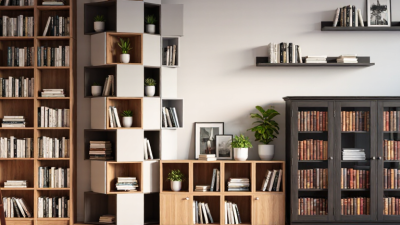
A bookshelf is more than a set of flat boards. Its frame usually includes two side panels, a top, a base, and horizontal shelves. Some designs use vertical dividers to create smaller compartments. A thin back panel can keep books from sliding through and help the frame resist twisting. It may look minor, but a loose or missing back can make a tall unit feel less steady.
Shelves rest on fixed joints, adjustable pins, or brackets. Fixed shelves often add stiffness, while adjustable supports let you fit tall books or storage boxes. Check how each shelf connects to the sides, and look for sagging when heavy books are grouped in the center. Wall attachment can reduce tipping, especially on tall or narrow units. Still, an attachment does not fix weak joints or damaged material.
Tips: Place heavier books on lower shelves and spread their weight across the width. Tighten loose fasteners, and check the unit after moving it. A small wobble matters. Yet not every bookshelf needs to feel perfectly rigid; some movement may come from an uneven floor, so check the base before blaming the frame.
A bookshelf’s horizontal shelves support books, while its side panels and back help keep the structure stable. These common US book trim widths show how much shelf depth different formats need; allow a little extra clearance for easy access. Actual book sizes vary.
Bookshelves differ not only by style, but also by where and how they are installed. Freestanding units are easy to move and suit renters or changing layouts. Check the shelf depth against your books; oversized units can crowd a narrow walkway. Wall-mounted shelves keep floor space clear and work well above a desk. They need secure fixings suited to the wall, with heavier loads anchored into studs or solid masonry. Small detail, big difference.
Corner shelves use neglected space, though their shape may limit larger books. Measure around baseboards and nearby doors before choosing one. Built-in shelves fit alcoves or span a wall, creating a tidy, tailored look. They are less flexible, and uneven floors or walls can make installation more complicated than expected. Short shelves can also be arranged in a row, but each section needs proper support. Think about what you will store, not just what looks good empty. A shelf full of hardcovers weighs far more than a few ornaments, and that weight should guide both placement and mounting.
A bookshelf’s shape affects how it fits a room and how easily you can reach your books. A standard vertical bookcase uses a narrow footprint and several stacked shelves, making it useful beside a desk or in a small living room. A low, horizontal unit spreads weight across a wider base and can double as a surface for a lamp or a few framed photographs. That extra surface is handy, but it can invite clutter.
Corner bookcases use angled shelves to make use of awkward spaces, though deep corners may hide smaller books. Ladder-style shelves lean against a wall and feel visually light; secure placement matters, especially on smooth floors. Modular configurations let you combine separate cubes or sections to fit changing collections. I like their flexibility, though mismatched heights can look a little uneven. Rotating shelves offer access from several sides, but need enough clearance to turn without hitting nearby furniture.
Tips: Measure the wall, floor space, and ceiling height before choosing a shape. Check shelf depth against your largest books, and leave room for your hand above each row. For tall or top-heavy units, use suitable wall anchoring and follow the installation instructions. Don’t guess. A quick paper outline on the floor can reveal whether the footprint feels too large.
A bookshelf holds and displays books, but its material affects weight, upkeep, and feel. Solid wood has visible grain and can often be refinished, though it may be heavy and costly. Engineered wood is usually lighter on the budget, but edges can chip if handled roughly. Metal frames suit clean, industrial rooms and often leave more floor visible. Glass shelves feel airy, yet fingerprints show quickly.
Designs vary from tall, fixed-shelf cases to modular units with adjustable levels. Open backs make a room feel less crowded, while cabinet doors help keep dust away. Wall-mounted shelves save floor space, but the wall and hardware must support the intended load. Corner units use awkward spaces well. Ladder-style shelves look light, though their sloping sides can limit book placement. No one style fits every room. A shelf that looks elegant empty may feel cramped once filled; measure your tallest books before choosing.
Tips: Check the shelf’s stated weight limit, and distribute heavy books across lower levels. Keep shelves away from damp walls. If children or pets use the room, secure tall units against tipping.
| Bookshelf Type | Common Materials | Design and Construction | Advantages | Considerations | Typical Uses |
|---|---|---|---|---|---|
| Freestanding bookcase | Solid wood, plywood, medium-density fiberboard (MDF), particleboard, or metal | Self-supporting unit with fixed or adjustable shelves; may have an open back or a closed back panel. | Easy to place or move; available in many heights, widths, and shelf arrangements. | Tall or heavily loaded units may need to be secured to a wall to reduce tip-over risk. | Living rooms, home offices, bedrooms, and libraries |
| Wall-mounted shelves | Solid wood, plywood, MDF, metal, or glass | Individual shelves or a connected system attached to wall studs or suitable anchors. | Uses vertical wall space and leaves the floor clear. | Safe load capacity depends on the shelf, brackets, fasteners, and wall construction. | Small rooms, offices, and display areas |
| Ladder bookshelf | Solid wood, engineered wood, or metal | Leaning frame with shelves that are often deeper at the bottom and narrower near the top. | Open, compact appearance; can suit spaces where a deep cabinet would feel bulky. | Requires stable placement and, where specified, wall attachment; shelf space may be limited. | Living areas, bedrooms, and small offices |
| Modular or cube shelving | MDF, particleboard, plywood, solid wood, or metal | Separate cubes or sections arranged side by side or stacked, sometimes with removable dividers. | Can be configured for books, storage bins, and display objects. | Stacked configurations should follow the maker’s load and anchoring guidance. | Children’s rooms, offices, and flexible storage areas |
| Barrister-style bookcase | Solid wood, plywood, or glass | Often made of stacked sections with front doors that lift or slide to protect contents. | Doors help shield books from dust and provide a more enclosed look. | Doors and multiple sections add weight and may require more careful assembly. | Studies, collections, and rooms where books need extra protection |
| Solid-wood bookcase | Hardwood or softwood boards | Built from natural wood, with appearance and properties that vary by species and finish. | Can be repaired or refinished; grain gives each piece a distinct appearance. | Generally heavier than many panel-based options; wood can respond to changes in humidity. | Long-term home or office furnishing |
| Engineered-wood bookcase | Plywood, MDF, or particleboard, often with veneer or laminate surfaces | Panels are manufactured from wood layers, fibers, or particles and assembled into shelves and sides. | Offers consistent panel sizes and a range of surface finishes. | Load capacity, moisture resistance, and fastener strength vary by panel type and construction. | Everyday storage and budget-conscious furnishing |
| Metal-frame bookcase | Steel or aluminum, often combined with wood or engineered-wood shelves | Open frame with horizontal shelves; some designs use adjustable shelf positions. | Open construction can create a lighter visual appearance; metal frames are commonly used for utility storage. | Check the stated shelf capacity and protect floors from feet or edges if needed. | Garages, offices, utility rooms, and contemporary interiors |
| Glass-shelf bookcase | Tempered glass shelves with metal or wood supports | Transparent shelves supported by a frame or brackets. | Allows light through and makes displayed objects easy to see. | Glass can show fingerprints; use only within the specified load limits and avoid impact to shelf edges. | Display areas and rooms where a visually open design is preferred |