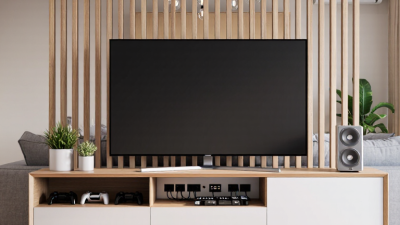
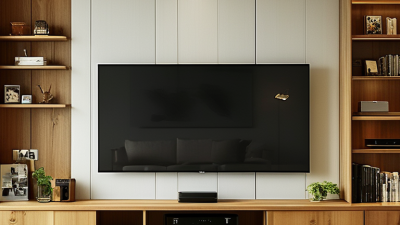
Top TV Stand Manufacturers in China for Global Buyers
China’s Tv Stand manufacturing sector serves buyers seeking varied designs, production capacity, and export-ready options. Yet a strong catalog is only a starting point. Buyers should examine material specifications, load testing, edge finishing, cable access, packaging, and the supplier’s ability to keep samples and production consistent. Small details show up clearly once a stand is assembled in a real living room.
Furniture designer Charles Eames once said, “The details are not the details. They make the design.” That principle fits this category well. A cabinet may look elegant online, but uneven veneer, a wobbly leg, or a poorly placed cable opening can weaken the finished product. Details matter here. This guide compares leading Chinese manufacturers through practical sourcing factors, including product range, customization, quality controls, communication, and export experience. It also considers how buyers can assess specifications before placing an order, rather than relying on showroom images alone.
No single supplier suits every market. Retailers may prioritize stable pricing and repeatable finishes, while project buyers may need custom dimensions or coordinated furniture sets. A low quotation can also leave important questions unanswered, such as carton protection or replacement-part support. Those gaps deserve attention, though they are easy to miss when schedules are tight. The manufacturers profiled here offer a starting point for research, not a substitute for sample reviews, factory checks, and clear written specifications. A careful comparison can reduce surprises, but it cannot remove every risk.

China’s TV Stand Manufacturing Industry at a Glance
China’s TV stand manufacturing industry combines furniture-making skills with large-scale material and hardware supply chains. Production is concentrated in several coastal regions, where factories can source engineered wood panels, metal frames, glass, hinges, and packaging materials nearby. This supports a wide range of designs, from compact wall units to low cabinets with drawers and cable openings. Details matter. Capacity and finish quality still vary between suppliers, so buyers should assess each factory rather than assume the whole industry works alike.
Many manufacturers offer custom dimensions, surface finishes, storage layouts, and flat-pack designs for export. Some handle design development and production in-house; others rely on outside partners for components or finishing. That difference can affect lead times and consistency. A sample with a smooth edge band and stable drawer movement is useful, but it cannot guarantee every production run will match. Written specifications and checks on materials, load capacity, dimensions, and carton protection help make expectations clearer. I would not treat a polished sample as proof of a flawless process.
Tips: Ask for a specification sheet and packaging photos before ordering. Confirm how the factory checks panel thickness, finish color, and assembly fit. Request updates at agreed production stages, especially for a first order. Leave time for revisions; a small measurement change can disrupt a production schedule.
How to Evaluate TV Stand Manufacturers in China
Choosing a TV stand manufacturer in China takes more than comparing quotations. Ask how the factory controls materials, assembly, and final inspection. Request specifications for board thickness, finish, hardware, and load capacity. Check whether those details match the sample and purchase documents. Details matter. A painted surface may look smooth under showroom lights but reveal uneven edges in daylight. Ask for close-up photos and a sample viewed from several angles.
Review production records, not just confident claims. Ask how workers test shelves and joints, and whether inspection results can be shared for recent orders. Packaging deserves the same attention: confirm corner protection, carton strength, and how the unit is secured against movement. Compare quoted lead times with the supplier’s actual production capacity and ask what happens if materials arrive late. A factory visit or live video walk-through can help clarify equipment and workflow, though it cannot prove every process is consistent. No checklist catches everything; a polished sample can still hide a weak joint. Before placing a large order, agree on measurable quality criteria and inspect a production unit against them. Keep communication direct, documented, and specific.
Common VESA Mounting Patterns for TV Stand Compatibility
Compare the horizontal and vertical spacing of common VESA mounting patterns when evaluating a TV stand manufacturer’s compatibility range. Measurements are in millimeters.
VESA dimensions describe the spacing between mounting holes, not the stand’s load capacity. Confirm the TV’s mounting pattern and the stand’s specifications before purchase.
Leading TV Stand Manufacturers for Global Buyers
For global buyers, leading TV stand manufacturers in China should offer more than a low quotation.
CSIL’s World Furniture Outlook 2024 estimates global furniture production at roughly US$500 billion. That figure covers many furniture categories, not TV stands alone. It signals a large, competitive supply base, but does not prove any factory’s quality. Details matter.
Ask manufacturers for dimensioned drawings, material specifications, and load-test records. Check whether shelves stay level under weight and whether cable openings suit your intended setup. Inspect edge banding, drilled holes, hinges, and drawer runners on a physical sample. A polished catalog photo cannot show loose fittings or rough edges. Request photos of packed goods and confirm carton dimensions before approving a trial order.
For supplier comparisons, UN Comtrade data under HS 9403 can provide a broad view of furniture trade flows. The code covers many furniture types, so it cannot identify TV-stand performance by itself. Pair market data with a factory audit, sample inspection, and clear written tolerances. Ask how the manufacturer handles finish differences between batches.
A sample can look perfect. Production may vary. That part deserves honest scrutiny.
TV Stand Designs, Materials, and Customization Options
For global buyers, TV stand design starts with the room and the screen, not a catalog photo. Low, wide consoles suit large televisions, while wall-mounted units can free floor space in compact apartments. Measure the screen, viewing height, and available wall width before requesting drawings. A few centimeters matter. Shelves should fit actual devices, with room for airflow around them.
Material choices affect weight, appearance, and care. Engineered wood can offer consistent panels and a broad range of finishes; solid wood brings visible grain but may vary between batches. Steel frames add a clean, open profile, while glass shelves need careful edge finishing and secure packaging. Ask for finish samples and inspect them under both warm and cool lighting. A glossy surface looks sharp, but fingerprints show quickly. That trade-off is easy to miss.
Customization may cover dimensions, drawer layouts, leg styles, cable openings, and surface colors. Share a simple room sketch and device measurements with the supplier. Request a specification sheet showing panel thickness, hardware, load capacity, and packaging details. Confirm that cable holes align with your equipment; they often do not by default. Approve a production sample when the order is large, and record any agreed changes in writing. One point still deserves thought: unusual dimensions can improve fit, but may complicate replacement parts later.
Sourcing, Quality Control, and Export Considerations
Choosing a TV stand manufacturer in China starts with a clear product brief. Specify screen size, load capacity, materials, finish, cable openings, and packaging requirements. Ask for drawings and a sample before approving production. A sample can reveal sharp edges, unstable feet, or a finish that looks different under warm lighting. Check whether the factory can explain its inspection process, not just promise good quality. Production schedules can change, so confirm capacity and key dates in writing.
Quality control should cover both appearance and function. Use a checklist for dimensions, welds, surface scratches, hardware, and stability. Inspect a pre-production sample, then agree on how finished goods will be checked before shipment. Photos help, but they cannot show every defect. That limitation is real. For export planning, confirm carton sizes, gross weight, packing protection, shipping terms, and required documents with your freight provider. Poor packaging can damage corners even when the stand itself is well made.
Tips: Keep one approved sample as a reference. Record changes to materials or dimensions, and ask for updated photos before packing. Leave time for corrections; rushing inspections is tempting, but it can create expensive surprises. A supplier may still miss something, so build a clear remedy process into the order.