Top 10 Bookshelf Ideas for Every Home and Space?
A bookshelf can transform any space. It is more than just storage; it’s a reflection of your personality. With the right design, a bookshelf turns books into art. Many overlook this potential. An ordinary shelf can become a stunning focal point.
Consider the mood you want to create. Warm woods evoke coziness, while sleek metal offers a modern vibe. The placement matters too. A bookshelf in a living room invites conversation. In a bedroom, it creates a peaceful retreat.
There are endless possibilities. A DIY project can infuse personal touches. Open shelving provides visibility, but dusting becomes a chore. Remember, balance is key. Layering books with decor items should feel effortless. Your bookshelf can inspire thought and curiosity, but it sometimes overwhelms. Reflect on what you want it to express.
Top 10 Creative Bookshelf Designs for Modern Living Spaces
Bookshelves can be more than just storage. They can be a
focal point in any room. Consider a floating shelf design. This style uses wall space
efficiently, creating an open feel. Choose unique shapes for the shelves. Curved or asymmetrical
options can add flair. Paint them in bright colors. This injects personality into a
living room or home office.
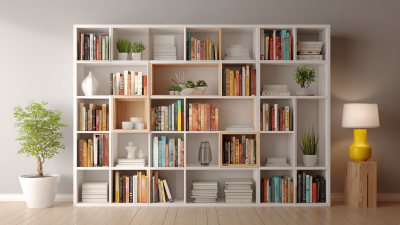
Another idea is to combine books and decorative objects. Mix books with plants, photos, and art pieces. This helps create visual interest.
Look for ways to integrate whimsical elements. A whimsical shelf bracket
or colorful bookends can make a difference. It’s a chance to showcase your personality and style, even when creativity feels hard to grasp.
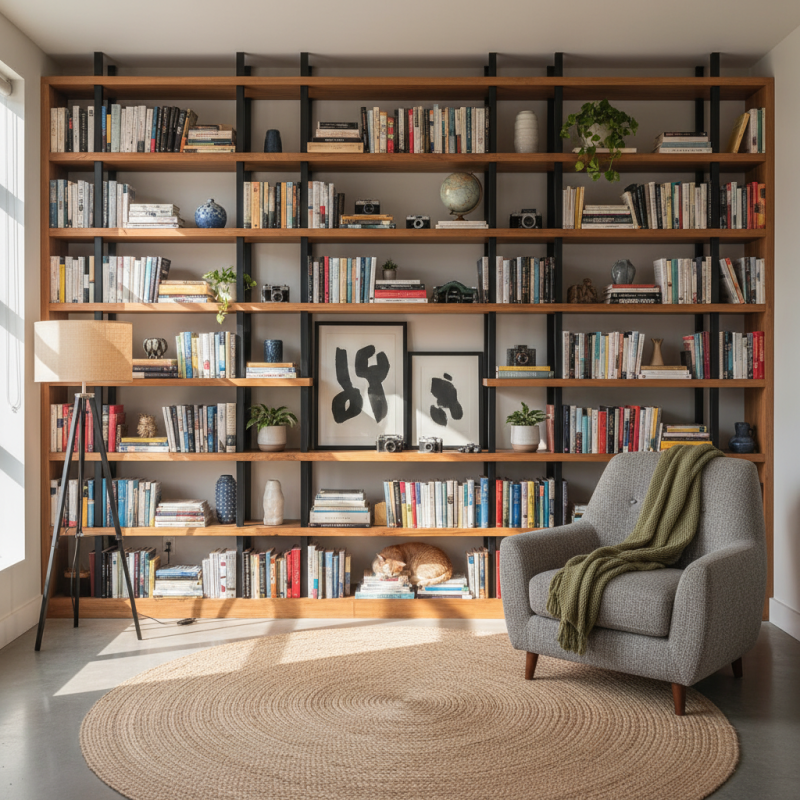
Creating a cozy reading nook is also an option. Use a small bookshelf next
to a comfortable chair. Add a warm blanket and good lighting. This small space may require some adjustments over time. You might need
to swap out books seasonally. Reflecting personal growth can also be part of the journey.
Celebrate imperfections and make the space your own.
Maximizing Small Spaces: Space-Saving Bookshelf Solutions
In today’s urban living, maximizing small spaces is essential. A recent survey by the American Institute of Architects found that 70% of homeowners prioritize space efficiency in their designs. Bookshelves can be both functional and stylish, making them perfect solutions for small homes. Vertical bookshelves utilize wall space effectively. These units draw the eye up, creating an illusion of height.
Floating shelves are another smart option. They free up floor space while displaying books and décor. A study by Houzz shows that homes with well-organized shelving have a 25% higher perceived value. It's important to note that too many shelves can make a room feel cluttered. Balance is crucial.
Consider multi-functional furniture. A bench with shelves beneath can store books while providing seating. However, it may not fit everyone's style. Users must evaluate their personal taste versus practicality. Finding the right bookshelf can be a game of trial and error. Make sure your choices reflect your personality while serving your needs.
Top 10 Space-Saving Bookshelf Ideas for Every Home
Utilizing Vertical Space: Innovative Shelving Techniques
Maximizing vertical space is crucial in small homes. Consider using wall-mounted shelves that draw the eye upwards. This technique helps create the illusion of more space. Floating shelves can be placed above furniture without overwhelming the room. A few well-placed shelves can make a statement without taking up floor area.
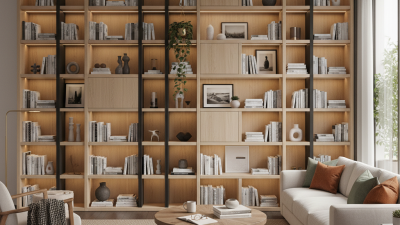
Another innovative approach is using tall bookcases. Floor-to-ceiling bookshelves not only showcase your collection but also create a focal point. Building them into niche spaces can further enhance the room's layout. However, be mindful of balance. Tall structures might need smaller elements nearby to prevent a top-heavy look. The wrong arrangement can lead to a cluttered feeling.
Mixing materials can also breathe life into your shelving. Consider combining wood with metal for a modern twist. It’s essential to play around with different textures. Too much uniformity can feel boring. Think about decorative objects to add personality. But remember, less can often be more. Aim for an inviting yet functional space.
Incorporating Multi-Functional Bookshelves in Home Decor
Creating a home that feels both functional and stylish can be challenging. Multi-functional bookshelves can play a significant role in enhancing your decor. They not only store books but also display art, plants, and personal treasures. Imagine a bookshelf doubling as a room divider, creating cozy nooks while maintaining an open flow.
When choosing a bookshelf, consider your space. A tall, narrow shelf might suit small apartments, while wider units can anchor larger rooms. Use color and texture to add depth. Soft woods or bold metals can create different vibes. Mixing open and closed shelves adds interest and allows for personal touch.
Tips: Use baskets or boxes on lower shelves for organization. This keeps clutter hidden. Incorporate lighting on or above the shelves to highlight special items. Play with scale by adding oversized pieces alongside smaller ones. This adds character but can require repeated adjustments for balance. Remember, the goal isn’t perfection. It’s about making a space that feels welcoming and true to you.