• Call Support 86-0596-2628755

Why Is Shoe Storage a Must Have for Global Buyers?

Why Is Shoe Storage a Must Have for Global Buyers? The answer begins with scale. World Footwear’s 2024 Yearbook reported billions of pairs produced and consumed worldwide, despite a decline in 2023. Grand View Research also estimated the global footwear market at more than US$450 billion in 2023. Every pair eventually needs a safe, accessible place.

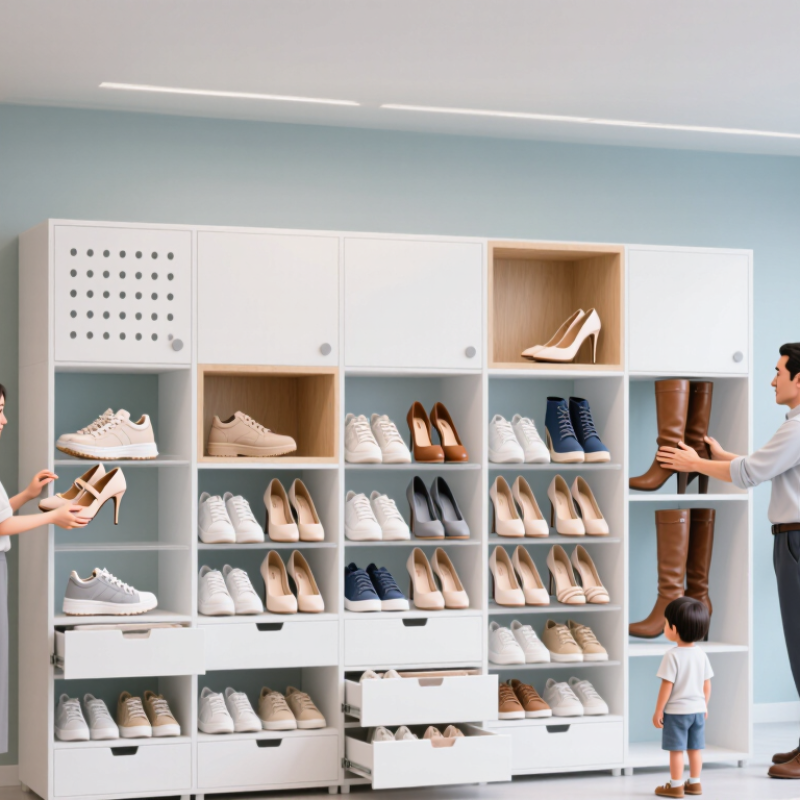
For international buyers, Shoe Storage is no longer a minor household accessory. It supports retail displays, apartment living, hospitality projects, and organized family spaces. A well-designed cabinet protects leather from dust. Ventilated shelves help reduce trapped moisture. Adjustable compartments accommodate sneakers, boots, sandals, and children’s shoes. Small details matter.

Professional organizer Peter Walsh offers a useful perspective: “Clutter is not just physical stuff. It’s an emotional issue.” His observation explains why buyers increasingly value calm, visible, and practical storage. A crowded entryway can delay a morning routine. A poorly sized rack can damage tall boots or waste valuable floor space.

Market figures vary because researchers define footwear and storage differently. That limitation deserves attention. Still, the direction is clear. More footwear, smaller urban homes, and demanding retail environments create a lasting need for Shoe Storage. Global buyers now assess more than price. They examine material durability, ventilation, loading capacity, assembly, packaging, and long-term usability.

The best solution may not be the largest one. It should fit the room, the climate, and the buyer’s habits. That sounds obvious, yet many products still ignore these practical differences. A stronger purchasing decision begins with evidence, user experience, and honest product testing.
Why Is Shoe Storage a Must Have for Global Buyers?

What Is Shoe Storage and Why Does It Matter?

Shoe storage is a dedicated system for keeping footwear clean, organized, and easy to access. It includes open racks, enclosed cabinets, stackable boxes, benches, and adjustable organizers. Each option serves a different household or commercial need. A narrow rack suits a small apartment, while a ventilated cabinet supports larger family collections.

Its value goes beyond appearance. Shoes placed on damp floors may absorb moisture, develop odors, or lose their shape. Direct sunlight can fade leather and synthetic materials. Proper spacing allows air to move around each pair and reduces pressure on delicate uppers. It is not decoration. It protects daily-use products.

For global buyers, practical details matter during evaluation. Check load capacity, assembly instructions, surface finish, ventilation, and package strength. Measurements should match common shoe sizes, not only product photographs. In sourcing work, I have seen attractive units fail because shelves bend under winter boots. That mistake is easy to miss. Buyers should also consider cleaning habits, children’s access, and humid climates. A low-cost plastic box may work in a dry room but feel unsuitable in coastal weather. Some designs look efficient yet waste space around larger shoes. That trade-off deserves honest review before purchase.

How Shoe Storage Meets the Needs of Global Buyers

For global buyers, shoe storage is more than a household accessory. It responds to different homes, climates, and shopping habits. In a compact apartment in Seoul, a slim vertical cabinet can protect valuable floor space. In a humid coastal home, ventilation may matter more than decoration. Buyers also need clear dimensions, load limits, assembly instructions, and protective packaging before placing an international order. These details reduce uncertainty across distance.

Reliable storage should hold different shoe shapes without crushing leather, mesh, or high-top designs. Adjustable shelves help families manage changing sizes and seasonal footwear. Closed doors reduce dust. Open compartments improve daily access. For retailers and property suppliers, stackable units can simplify warehouse handling and room installation. Materials should be described accurately, including panel type, coating, odor information, and cleaning requirements. Small details matter.

From product evaluation experience, strong solutions balance capacity, durability, and shipping efficiency. A heavy cabinet may feel premium, but excessive weight can increase freight costs and complicate delivery. Flat-pack construction can help, although unclear instructions create frustration. No design fits every market. Buyer feedback should guide revisions, especially for ventilation, fasteners, and stability. A practical storage system earns trust when its performance matches its specifications.

Which Types of Shoe Storage Fit Different Spaces?

Choosing shoe storage starts with the space, not the product photo. Small entryways benefit from slim vertical cabinets or wall-mounted shelves. They keep walking areas clear while using neglected wall height. Measure door swings and skirting boards before ordering. A cabinet that looks compact online may feel bulky at home.

For narrow hallways, open tiered racks provide quick access and better ventilation for damp footwear. A storage bench works well in family entrances because it offers seating and hidden capacity. Under-bed boxes suit seasonal shoes, especially when bedrooms lack closets. Use lidded containers carefully, since wet shoes need to dry first. I once stored freshly worn boots in a closed box and regretted the odor later.

Larger rooms can handle modular units with adjustable shelves. These systems support different shoe heights, from flat sandals to tall boots. Freestanding cabinets suit rentals because they require little installation. Retail spaces may prefer open displays, while homes often need doors to reduce visual clutter. In humid regions, breathable materials and ventilation gaps deserve attention. In dry climates, dust protection may matter more. The right choice is rarely universal. Even a practical layout can fail when household routines change. Check cleaning access, assembly quality, and load capacity before buying in volume.("")]

//

Why Is Shoe Storage a Must Have for Global Buyers? - Which Types of Shoe Storage Fit Different Spaces?

Typical product specifications and practical space recommendations for residential and commercial buyers. Dimensions and capacity may vary by design.
Shoe Storage Type Typical Dimensions
(W × D × H)
Approximate Capacity Best-Fit Space Key Advantages Important Buying Considerations
Open Shoe Rack 60–100 × 30–35 × 60–100 cm
(24–39 × 12–14 × 24–39 in)
6–16 pairs Entryways, mudrooms, wardrobes, utility areas Easy access; strong airflow; simple assembly; usually lightweight Measure available width and check shelf spacing for boots or high-top shoes.
Stackable Shoe Rack 50–75 × 25–35 × 45–90 cm
(20–30 × 10–14 × 18–35 in)
6–18 pairs Small apartments, dorm rooms, compact closets Uses vertical space; expandable; suitable for changing storage needs Confirm that connectors are stable and that stacked height fits the room.
Slim Shoe Cabinet 60–100 × 15–25 × 100–120 cm
(24–39 × 6–10 × 39–47 in)
12–24 pairs Narrow hallways, apartment entrances, small foyers Small floor footprint; enclosed appearance; helps reduce visual clutter Check door clearance, ventilation openings, and the depth of footwear compartments.
Bench with Shoe Storage 80–120 × 35–45 × 45–50 cm
(31–47 × 14–18 × 18–20 in)
6–12 pairs Entryways, dressing areas, bedrooms Combines seating and storage; convenient for putting on footwear Verify load capacity, seat height, and whether the bench can be secured against a wall.
Over-the-Door Organizer 45–65 × 15–20 × 150–180 cm
(18–26 × 6–8 × 59–71 in)
12–24 pairs Closets, bedrooms, laundry rooms, rental properties Requires little floor space; generally portable; useful for renters Measure door thickness and clearance; avoid blocking handles or door movement.
Under-Bed Shoe Box 70–100 × 35–60 × 15–20 cm
(28–39 × 14–24 × 6–8 in)
6–12 pairs Bedrooms, guest rooms, seasonal storage areas Makes use of hidden space; protects less frequently used footwear from dust Measure bed clearance and choose handles or casters for easier access.
Rotating Shoe Tower 35–55 × 35–55 × 150–190 cm
(14–22 × 14–22 × 59–75 in)
12–30 pairs Walk-in closets, dressing rooms, retail display areas High vertical capacity; quick visibility; compact footprint Allow room for rotation and check base stability, especially on uneven floors.
Modular Cube Storage 35–40 cm per cube
(14–16 in per cube)
1–2 pairs per cube Bedrooms, closets, family rooms, flexible retail areas Customizable layout; easy to expand; can store shoes and accessories together Check total footprint, cube load rating, wall anchoring, and compatibility with larger footwear.
Why shoe storage is essential: Organized shoe storage protects footwear from dust and deformation, improves hygiene, reduces entryway clutter, and makes better use of limited residential or commercial space. Buyers should compare available floor area, vertical clearance, ventilation, required capacity, assembly needs, and local shipping dimensions before selecting a product.

What Materials and Features Define Quality Shoe Storage?

Global buyers often judge shoe storage by appearance, but quality begins with the material. Powder-coated steel resists scratches and supports heavier footwear. Solid wood feels warm, although it needs moisture control in humid regions. Engineered wood can offer stability and consistent sizing when its edges are properly sealed. Plastic is practical for lightweight units, but thin panels may bend under pressure. Materials matter.

Good storage should also solve daily problems. Adjustable shelves fit boots, sneakers, and smaller shoes without wasted space. Ventilation openings reduce trapped moisture and unpleasant odors. Smooth, rounded edges protect hands and shoe surfaces. Strong hinges, stable legs, and reliable drawer runners show careful engineering. A load rating is useful evidence, not just attractive product language.

From practical inspections, assembly details often reveal more than photographs. Check screw alignment, panel thickness, coating consistency, and carton protection. A unit that arrives damaged cannot serve a buyer well, even if its design looks excellent. Some features sound impressive but add little value. Built-in lighting, for example, may increase cost without improving storage in a bright hallway. I have also seen adjustable parts create instability when poorly locked. That weakness deserves honest testing. Buyers should request material specifications, tolerance information, moisture guidance, and sample checks before placing larger orders. Reliable suppliers should answer clearly and accept reasonable quality inspections.

How Should Global Buyers Evaluate Shoe Storage Suppliers?

Why Is Shoe Storage a Must Have for Global Buyers?

For global buyers, shoe storage is more than a space-saving product. It protects footwear during transport, display, and daily use. Supplier evaluation should begin with actual performance, not attractive catalog images. Ask for material specifications, panel thickness, load capacity, and moisture resistance. A useful sample should hold several shoe sizes without bending, wobbling, or producing a strong chemical smell.

Check how the supplier controls quality. Request inspection records, production photos, and clear information about rejected units. Reliable suppliers can explain their sampling process and replacement policy without avoiding details. Test the sample yourself. Open and close the doors repeatedly. Place heavier shoes on the lowest shelf. Small failures often appear there. No sample, no confidence.

Communication also matters. Compare response speed, technical accuracy, packaging details, and production timelines. Ask whether cartons protect corners during long-distance shipping. Confirm labeling, dimensions, and packing quantities before placing an order. Certifications may support credibility, but they should match the product and testing scope. A document alone proves little. A factory video call can reveal storage conditions and assembly practices, although it cannot replace independent inspection. I once focused too heavily on price and overlooked carton strength. That was a costly lesson. A polished supplier profile is useful, but consistent evidence is better. Supplier evaluation remains partly practical judgment. Mistakes still happen.