Essential Bookshelf Tips for Maximizing Your Space?
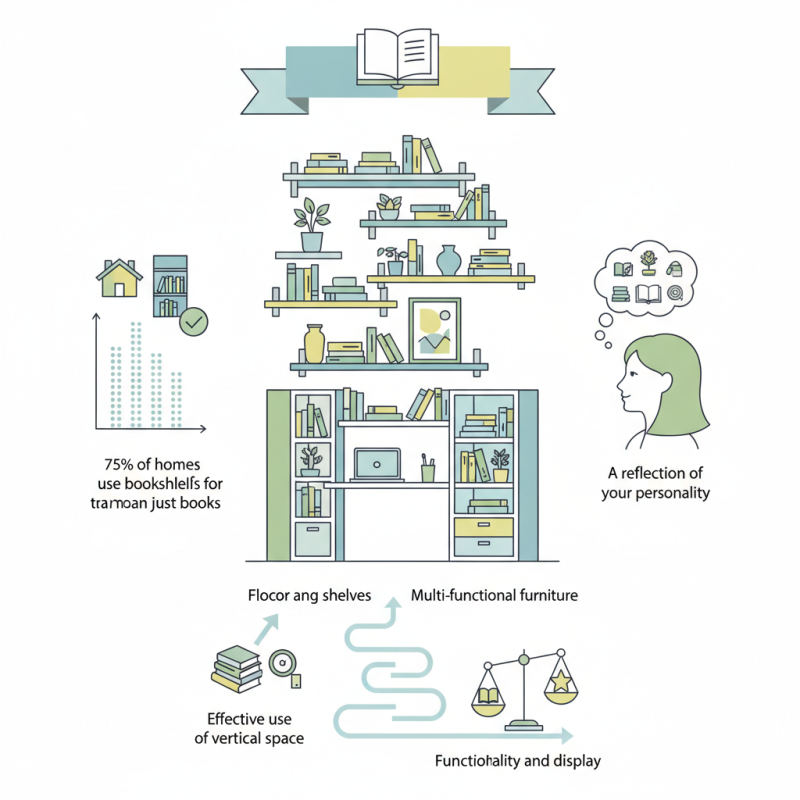
Creating an efficient bookshelf design can transform your space. A well-organized bookshelf not only holds your collection but also enhances your room’s aesthetic. According to the National Book Retailers Association, 75% of homes use bookshelves for more than just books, incorporating decor and personal items.
Expert Sarah Thompson, an interior design consultant, emphasizes, "Bookshelves are a reflection of your personality." This idea resonates with many who view their bookshelves as central to home decor. Modern living spaces often have limited room for traditional storage. Effective use of vertical space becomes essential.
Consider using floating shelves or multi-functional furniture. They save space while still housing your beloved books. However, you might find that keeping a tidy bookshelf is an ongoing challenge. It requires regular maintenance and thoughtful organization. Striking a balance between functionality and display is key. Maximizing your bookshelf requires creativity and reflection on your unique style.
Selecting the Right Bookshelf for Your Space Requirements
When selecting the right bookshelf, consider your space requirements. A well-chosen bookshelf can enhance functionality and aesthetics. Measure your available wall space carefully. Is it a corner? A narrow hallway? Width and height are crucial.
Think about the number of books you have. Will a tall, narrow unit work? Or do you need a wide, low shelf? A versatile bookshelf allows for growth. Opt for adjustable shelves. This can accommodate various book sizes and styles.
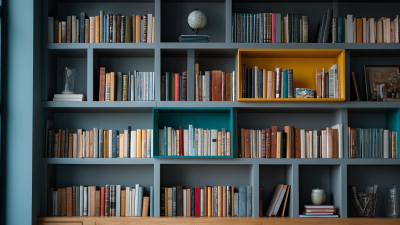
Decorative elements matter too. Shelves can display art and photos. Balance books with decor for a cohesive look. If you mix genres, consider color coding. It creates a visual interest, though it can be hard to maintain. Remember, reflection on your needs can reshape your selection process.
Bookshelf Space Optimization: Dimensions vs. Capacity
Utilizing Vertical Space: Tall Shelving Solutions
Maximizing vertical space can transform any room.
Tall shelving units can help you make the most of limited square footage.
According to a recent study, incorporating vertical storage can increase storage capacity by over 40%.
This is crucial in small apartments or homes, where every inch counts.
Consider the layout of your space. Higher shelves can store items you rarely use, while lower shelves should hold everyday essentials.
This approach not only keeps your items organized but also frees up floor space.
A report by home design experts emphasizes that clutter-free zones contribute to a
30% increase in productivity for household tasks.
However, choosing the right height for your shelves is key. Not everyone can reach the top shelf. This can lead to frustration.
You might find yourself stacking boxes or chairs to reach that hidden item.
It's important to balance accessibility with storage efficiency.
Reflect on which items you truly need at hand, as well as those you can store out of reach.
A well-considered vertical solution can elevate your space into a highly functional area.
Organizing Books by Size, Genre, or Color for Efficiency
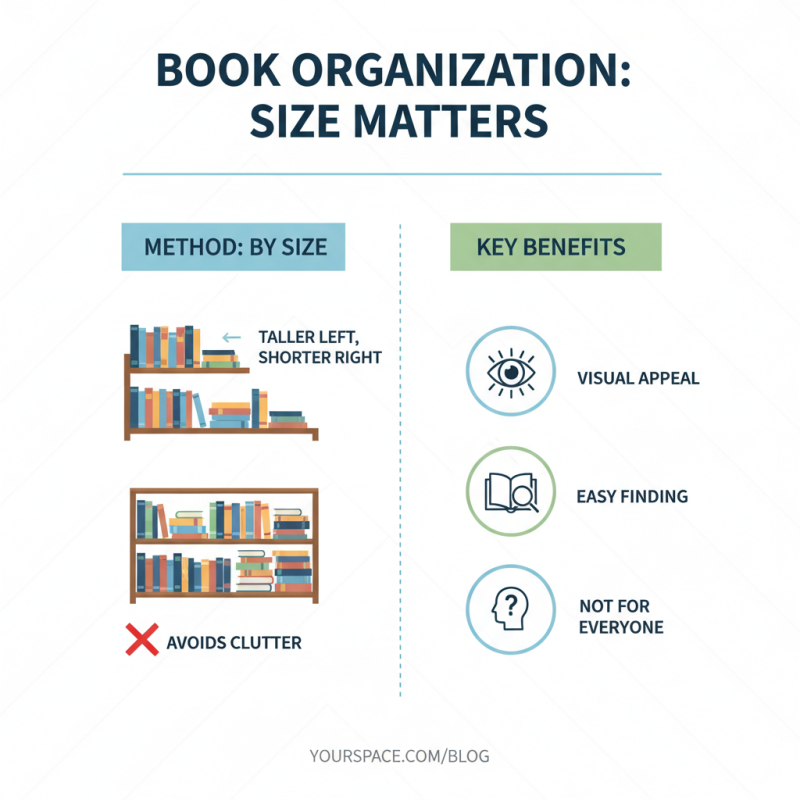
Organizing your books can transform your space. Choosing a method is key. You might group them by size. Taller books can stand on the left. Shorter books can fill the right side. This creates a visually appealing display. It also makes finding a book easier. However, this might not work for everyone.
Grouping by genre adds a layer of personal touch. You can create distinct sections like fiction, non-fiction, and mystery. Just imagine a cozy area for thrillers. It’s inviting and encourages reading. But it can also be tricky to define genres clearly. Your favorites might overlap. This could lead to confusion later on.
Color coding is another popular method. Arranging books by color makes a striking visual statement. A rainbow-like shelf can be beautiful. It draws the eye and sparks interest. Yet, this method may hinder finding a specific book. It could require extra time to locate that one title. Embrace the methods that work for you, knowing that perfect organization is often a moving target.
Incorporating Decorative Elements to Enhance Aesthetic Appeal
Creating a visually appealing bookshelf goes beyond mere functionality. About 74% of people consider bookshelves an essential part of home decor. Decorative elements can elevate ordinary shelves into stunning focal points. Incorporating plants, artwork, or unique bookends adds character. These elements can make a stark shelf feel inviting and personal.
Consider mixing different textures and colors. Soft fabrics, stone, or metal can complement the wooden shelves. A well-placed decorative item can create balance. For example, a vibrant vase can contrast beautifully against neutral book spines. However, it’s easy to overdo it. A cluttered shelf can feel chaotic. Aim for harmony between books and decor.
Placement and spacing matter too. Experts suggest that the eye is drawn to varying heights. A stack of books next to a tall plant creates visual interest. Failing to consider spacing can lead to an unintentional sense of imbalance. Thoughtfully arranged items guide the viewer's gaze, making the space feel cohesive and well-designed. Balancing aesthetics with practicality brings lasting beauty to your bookshelf.
Essential Bookshelf Tips for Maximizing Your Space - Incorporating Decorative Elements to Enhance Aesthetic Appeal
| Tip |
Description |
Decorative Element |
Space-Saving Technique |
| Utilize Vertical Space |
Install shelves that reach up to the ceiling to make use of all available space. |
Add decorative bookends on top of tall stacks. |
Floating shelves can create a clean and modern look. |
| Mix Book Sizes |
Arrange books in a variety of sizes to create visual interest. |
Incorporate framed art or photos among books. |
Use small baskets for storage of smaller items. |
| Color Coordination |
Organize books by color to create a beautiful visual display. |
Decorative boxes that match the color theme. |
Use staggered shelf heights for variety. |
| Incorporate Plants |
Add greenery to break up the lines of books. |
Use small pots or terrariums. |
Utilize tiered planters for vertical space. |
| Use Decorative Shoeboxes |
Store miscellaneous items in attractive boxes to keep the shelves tidy. |
Choose patterns that complement your decor. |
Place boxes on lower shelves for easier access. |
Maximizing Functionality with Multi-Purpose Furniture Pieces
Maximizing functionality in small spaces can be challenging, but
multi-purpose furniture
is a game changer. A sofa that converts into a bed can double as a cozy spot for guests and a relaxing lounge during the day. It's surprising how much room you can save with pieces that offer more than one function. A foldable dining table is another excellent option. When not in use, it can be tucked away, freeing up valuable floor space.
Consider storage ottomans. They can hide blankets or books and serve as extra seating or footrests. Their dual purpose can be a stylish solution to clutter.
Wall-mounted shelves also create more space. They utilize vertical space while displaying decor and books. These pieces can be both functional and aesthetically pleasing, allowing for creativity in design without compromising on practicality.
However, it’s essential to reflect on the balance between
form and function. Not every piece you buy will serve multiple purposes. Sometimes, simpler solutions, like well-placed hooks or baskets, may be worth considering. It’s a fine line between style and usability. The key is to think outside the box and prioritize what works best for your lifestyle.