How to Choose the Perfect Bookcase for Your Home?
Choosing the right bookcase for your home can be a daunting task. It requires careful consideration of style, size, and functionality. Renowned interior designer, Emily Henderson, once said, “A bookcase is not just a shelf; it’s a statement about who you are.” This highlights the importance of selecting a bookcase that reflects your personal aesthetic.
A well-chosen bookcase can enhance your space and showcase your collection. Think about the materials and colors that resonate with your home décor. Whether you prefer rustic wood or sleek metal, the options are vast. Pay attention to the dimensions. A perfectly sized bookcase can create balance in a room. But often, we overlook the unique features. Adjustable shelving, integrated lighting, or glass doors can elevate the function and design.
It’s easy to feel overwhelmed by choices. Sometimes, we rush the decision, settling for something that feels “just okay.” Reflect on your needs and vision. Let your bookcase tell a story, not just hold books. After all, it should complement your lifestyle and personality. The right bookcase is waiting for you; all it takes is thoughtful selection.
Understanding Your Space: Measuring for the Ideal Bookcase Size
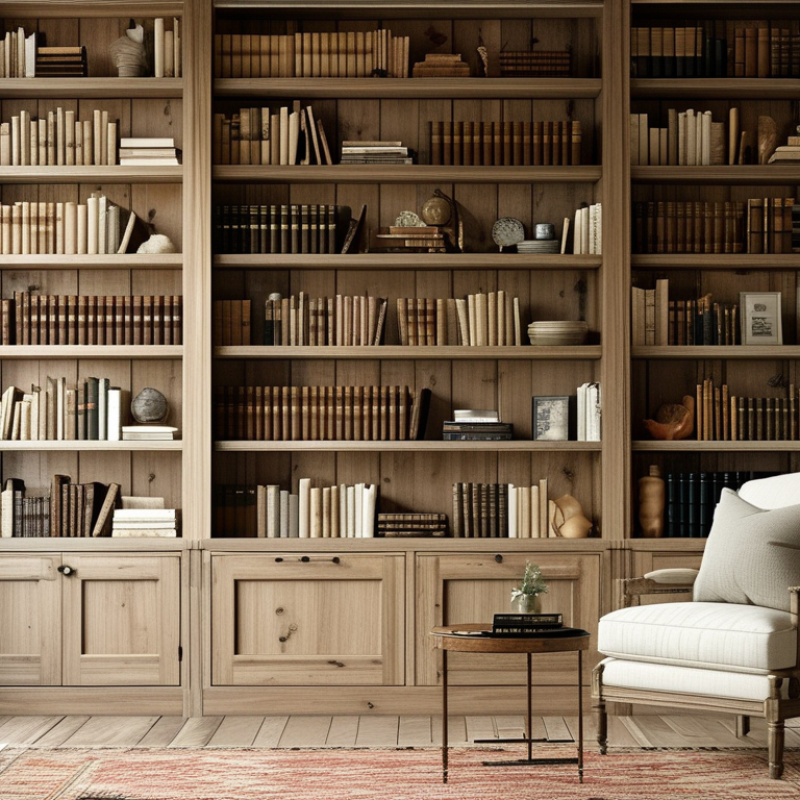
Choosing the right bookcase begins with understanding your space. It's essential to measure the area where you plan to place the bookcase. Start by assessing the height and width of the wall. Consider any nearby furniture or fixtures that could restrict the size of your bookcase. Use a tape measure for accuracy. Mark the dimensions on the floor. Visualizing the footprint helps gauge suitability.
Next, think about the depth of the bookcase. A deeper bookcase offers more storage but may overwhelm a small room. Conversely, a shallow bookcase can fit elegantly in tighter spaces. Sketch the layout, including door swings and walking paths. This ensures you choose a size that enhances the room's functionality.
Lastly, consider the ceiling height. If you have tall ceilings, a bookcase that reaches upward can draw the eye and add visual interest. However, it may require more thought on accessibility. Sometimes, the perfect size might not suit your needs or style as expected. Reflect on how you’ll use the bookcase, and let those needs guide your choice.
Choosing the Right Style: Matching Bookcases to Your Home Decor
Choosing the right bookcase involves more than just size and functionality. It is essential to match the bookcase style with your home decor. A well-chosen bookcase can enhance your living space, creating a cohesive look. According to industry reports, style coherence can increase home value by up to 15%. That’s a compelling reason to invest time in this decision.
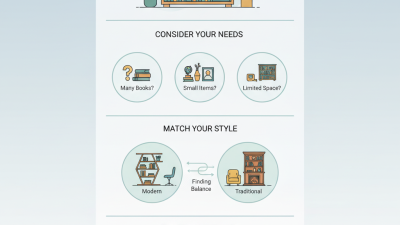
Consider the overall aesthetic of your home. Is it modern, traditional, or eclectic? A clean-lined, minimalist bookcase fits well in contemporary designs. Conversely, ornate shelving suits vintage or classic decor. Materials matter too. Wood offers warmth and timelessness, while metal provides an industrial touch. Reports indicate that 40% of homeowners prefer wood for its durability and aesthetic appeal.
However, don't rush this choice. A mismatched bookcase can disrupt harmony. For instance, pairing a rustic piece in a sleek, modern setting may feel jarring. Do not overlook the scale. A towering bookcase in a small room can overwhelm. Reflect on these aspects. The perfect bookcase should balance function, style, and your unique taste. Making careful choices can lead to a more inviting and personal space.
Material Matters: Exploring Different Bookcase Materials and Their Benefits
When selecting a bookcase for your home, material is a key consideration. Solid wood bookcases offer durability and timeless charm. They age gracefully and develop character over time. However, they can be heavy and expensive. Consider if the price fits your budget and if you are prepared for heavier furniture.
Metal bookcases present a modern alternative. They are often lighter and can be more affordable. Their sleek designs fit well in contemporary spaces. Yet, metal can sometimes feel cold or industrial. You might want to assess how it complements your existing decor.
Particleboard or MDF (Medium-Density Fiberboard) is another option. These materials are often less costly and can mimic the look of wood. They're lightweight and easy to move. However, they may not withstand heavy loads. Think about how many books you have. Will a lighter, less sturdy bookcase meet your needs? Each material offers distinct advantages and drawbacks. Your choice should reflect your style and practicality.
Material Matters: Exploring Different Bookcase Materials and Their Benefits
Functionality First: Assessing Storage Needs and Bookcase Features
When choosing a bookcase, understanding your storage needs is crucial. Consider the type and amount of items you plan to store. Will you house a large collection of books, decorative items, or a mix? Measuring your available space ensures a perfect fit. A bookcase that is too small may not accommodate your needs, while one that is too large can overwhelm the room.
Tips: Think about how you want to display your books. Horizontal or vertical? A mix can create visual interest. Open shelving showcases your collection, while closed cabinets keep dust at bay. If you're limited on space, consider a corner bookcase or one with adjustable shelves.
Think about the material and style. Wood offers durability, while metal brings a modern touch. Open designs can make a room feel larger. Remember that colors can affect the atmosphere. A dark bookcase may add elegance, while light colors can brighten a room. Reflect on what atmosphere you want to create.
Tips: Before finalizing your choice, visualize your items on the bookcase. This mental exercise can help narrow down options. A functional bookcase should reflect your unique style while serving its purpose efficiently. Consider these aspects to make an informed decision.
Selecting the Perfect Finish: Colors and Textures to Complement Your Room
Choosing a bookcase finish that complements your room can feel daunting. In a recent study by the Interior Design Society, 70% of homeowners reported that color influences their mood. Light colors tend to create a more spacious feel, while dark colors can make a room cozy. When selecting your finish, consider the existing colors in your space.
Textures matter, too. A smooth finish can enhance a modern look, while a distressed texture offers a rustic charm. According to a survey by Houzz, 58% of people prefer a mix of textures in their furniture. Mixing wood veneers with metal accents can create a visually appealing contrast. However, don't overwhelm your space. Too many textures can clash and lead to an unbalanced design.
Choosing the perfect bookcase finish also involves personal style. Think about what resonates with you. If you're attracted to classic designs, perhaps go for deep mahogany. If modern is your style, consider a sleek white finish. Remember, this is about creating a space that feels right for you. It's also an ongoing journey. Styles change, and so can your tastes. Regularly reassess your choices to ensure they still align with your current aesthetics.