Top Computer Table Designs to Elevate Your Workspace in 2026?
In 2026, the design of the Computer Table is set to revolutionize the workspace. Expert designer Sarah Thompson, known for her ergonomic solutions, states, “A well-designed computer table can boost productivity and create a healthier work environment.” As more people work remotely, the demand for functional and stylish Computer Tables grows.
Innovative features, like adjustable heights and integrated storage, are becoming crucial. Individuals are looking for a balance between aesthetics and practicality. A Computer Table should inspire creativity while accommodating various tasks. Yet, with many options available, choosing the right design can be daunting.
In this dynamic landscape, it’s essential to reflect on personal needs. What works for one may not be ideal for another. The quest for the perfect Computer Table requires careful consideration. It's about finding what truly enhances your workspace and meets your workflow demands.
Innovative Materials for Modern Computer Table Designs in 2026
Transforming your workspace in 2026 involves embracing innovative materials for computer tables. Materials like bamboo, recycled plastics, and tempered glass are gaining popularity. Bamboo is sustainable and surprisingly strong. Recycled plastics offer durability and a modern aesthetic, while tempered glass brings an elegant, airy feel to any space.
Tips: Consider your workspace lighting and layout. The right material can enhance your environment. Also, think about maintenance. Some materials require more care than others.
Textures play a key role too. A rough wood finish can add warmth, while a sleek metal frame offers a contemporary touch. However, be mindful of durability. Some materials may look good initially but wear down quickly, requiring replacements sooner than expected.
Keep in mind that innovative designs also challenge traditional shapes. Curved tables can promote collaboration, while multi-functional designs provide versatility in smaller areas. Reflect on your needs and the balance between style and function.
Workspace Productivity vs. Innovative Computer Table Materials in 2026
Ergonomic Features to Enhance Comfort in Workspace Furniture
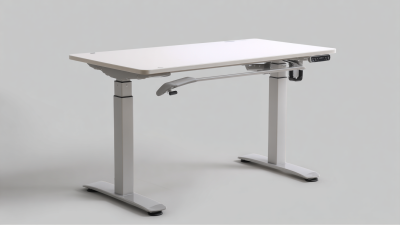
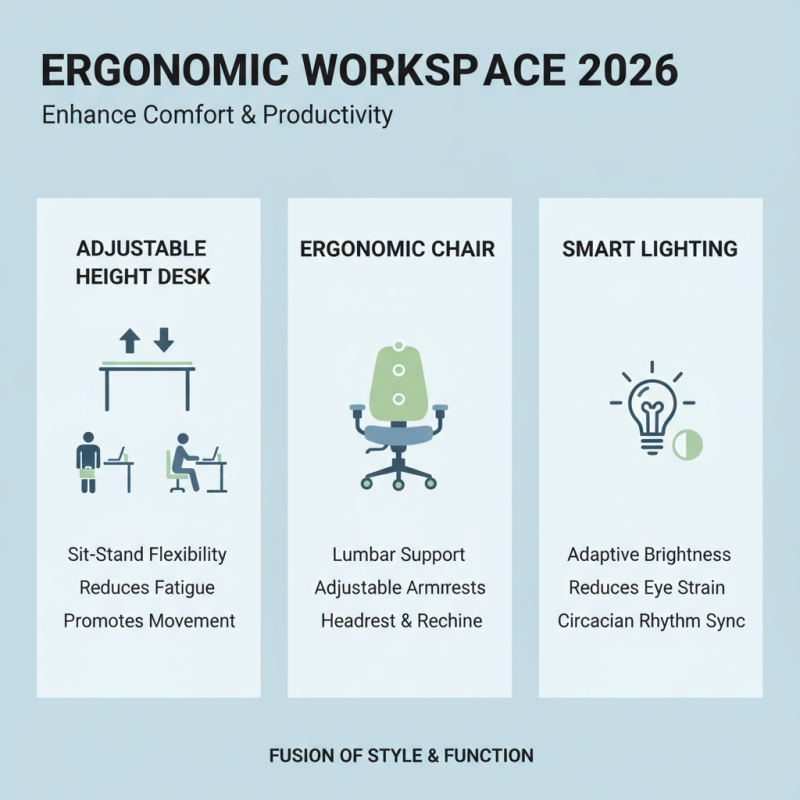
Creating an ergonomic workspace is essential for comfort and productivity. In 2026, furniture designs aim to blend style with functionality. A desk that adjusts in height allows users to shift between standing and sitting. This flexibility promotes movement, reducing fatigue during long hours.
Wrist support on keyboard trays can prevent strain, crucial for those working on computers daily. Chairs with lumbar support encourage proper posture, which is vital when working long hours. However, it's important to remember that not all adjustments suit every user. Some might find a height-adjustable desk cumbersome rather than convenient.
Lighting also plays a role in comfort. Adjustable desk lamps can reduce glare and eye strain. Thoughtful design should consider that every person's needs vary. Regular breaks and rearranging workspaces can help in maintaining comfort. Awareness of one's physical reactions can lead to better choices in workspace design. Finding the right balance requires ongoing reflection and adaptation.
Trends in Aesthetics: Popular Styles for Computer Tables in 2026
As we look forward to 2026, computer table designs are evolving to meet both aesthetic and functional needs. A recent report from the Home Office Trends Association noted that 79% of remote workers prioritize ergonomic designs in their workspace. This trend reflects the increasing awareness of health and comfort. Clean lines and minimalist styles are gaining popularity, as they promote a clutter-free environment. Among favored materials, sustainable options like bamboo and reclaimed wood are notable for their durability and eco-friendliness.
Tip: Consider a sit-stand desk for versatility. It promotes movement and can help reduce fatigue during long work hours.
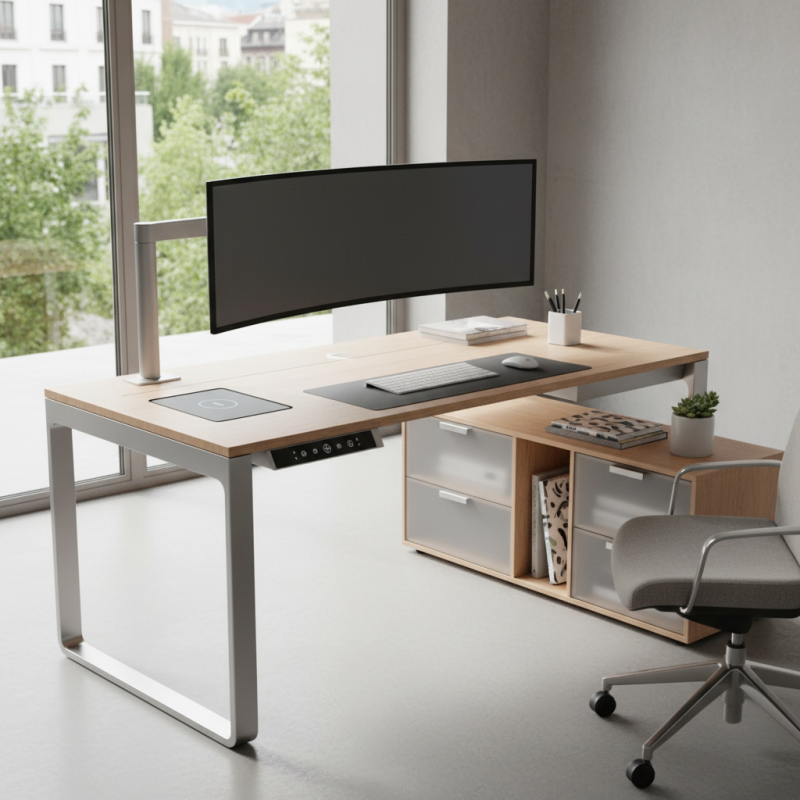
Another emerging style is the integration of technology into workspace designs. Wireless charging surfaces and built-in cable management systems are being sought after by tech-savvy users. Yet, there can be challenges; not all users find tech integration intuitive. Designers are urged to focus on usability to prevent frustration.
Tip: Ensure your workspace has adequate lighting. Natural light enhances mood and productivity. Adjusting your desk placement can make a significant difference.
In conclusion, the focus in 2026 will be on functional beauty—spaces that are not only visually appealing but also cater to the health and productivity of their users.
Top Computer Table Designs to Elevate Your Workspace in 2026
| Design Style |
Material |
Color Palette |
Functionality |
Ergonomics |
| Minimalist |
Metal & Glass |
White, Black |
Adjustable Height |
Highly Ergonomic |
| Industrial |
Reclaimed Wood & Metal |
Brown, Grey |
Cable Management |
Standard Ergonomics |
| Scandinavian |
Natural Wood |
Light Tones |
Multi-functional |
Ergonomically Designed |
| Contemporary |
Glass & Metal |
Bold Colors |
Built-in Storage |
Height Adjustable |
| Rustic |
Solid Wood |
Earthy Tones |
Simple Design |
Standard Ergonomics |
Eco-Friendly Computer Table Designs for Sustainable Workspaces
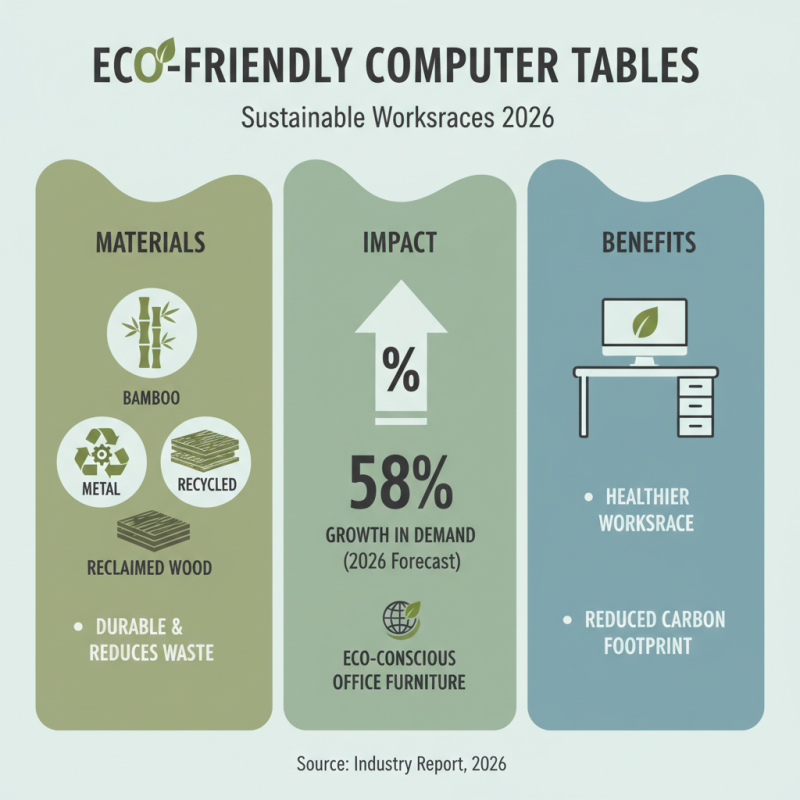
In 2026, eco-friendly computer table designs will transform workspaces. Sustainable materials are now paramount. Bamboo, recycled metal, and reclaimed wood are popular choices. These materials not only reduce waste but also offer durability. According to a recent industry report, the demand for eco-conscious office furniture is expected to grow by 58% over the next five years.
When choosing a computer table, consider the manufacturing process. Look for brands that prioritize sustainability. Check certifications that prove eco-friendly practices. This transparency builds trust in product claims. Choosing local manufacturers can also minimize your carbon footprint.
Tips for setting up your workspace: Use decor made from natural materials. Incorporate plants to enhance air quality. Ensure your table height suits your ergonomic needs. An uncomfortable workspace can lead to decreased productivity. Reflect on your comfort as you design your area. Small changes can make a significant difference.
Space-Saving Solutions: Compact Designs for Small Home Offices
Creating a functional workspace in a compact area can be challenging. Many people struggle with limited space in their homes. To address this issue, innovative table designs have emerged.
Desks that double as shelving units or compact folding tables are great solutions. They maximize utility while maintaining a clean aesthetic.
Consider a corner desk that utilizes often-neglected space. It fits snugly into a room without overwhelming it. Incorporating vertical storage also helps keep the workspace organized. Open shelving can hold books, supplies, or even decorative items. This design approach not only saves space but also enhances productivity.
Some designs may seem appealing but might not fully meet your needs. A lack of adequate surface area can hinder workflow. It's essential to test different configurations before committing.
Prioritize your requirements while staying open to modifications. Finding the right balance between style and function is key in a small office.