Top Dinning Set Trends in 2026 What to Expect?
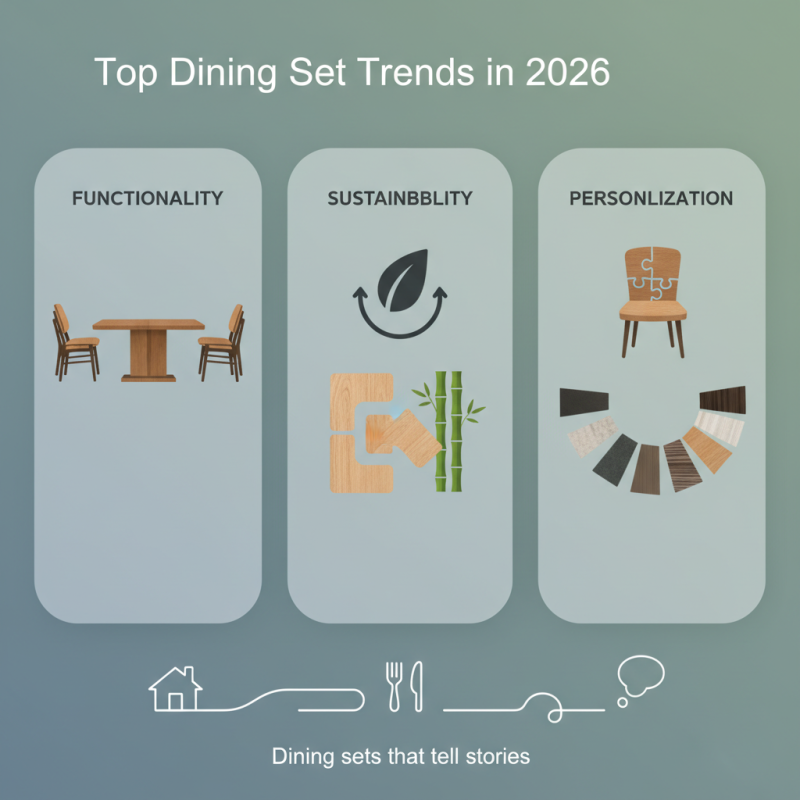
As we look ahead to 2026, the landscape of dining set trends is evolving. Industry reports highlight a significant shift in consumer preferences. According to a recent survey by the National Retail Federation, over 70% of consumers prioritize functionality in their dining arrangements. This year, multifunctional dining sets that adapt to various spaces are expected to dominate the market.
Sustainability is also gaining traction. Almost 60% of buyers are leaning towards eco-friendly materials. Recycled wood and bamboo are becoming top choices. These materials not only appeal to environmentally conscious consumers but also provide unique aesthetic value. However, questions arise about the durability and maintenance of these trendy options.
Furthermore, personalization is key. Consumers desire unique pieces that reflect their identity. Customizable dining sets are on the rise. Yet, the challenge lies in balancing personal taste with the overall aesthetic of the home. As trends shift, it remains crucial to navigate design complexities while meeting functional needs. The dining set of the future will not only serve meals but also tell stories.
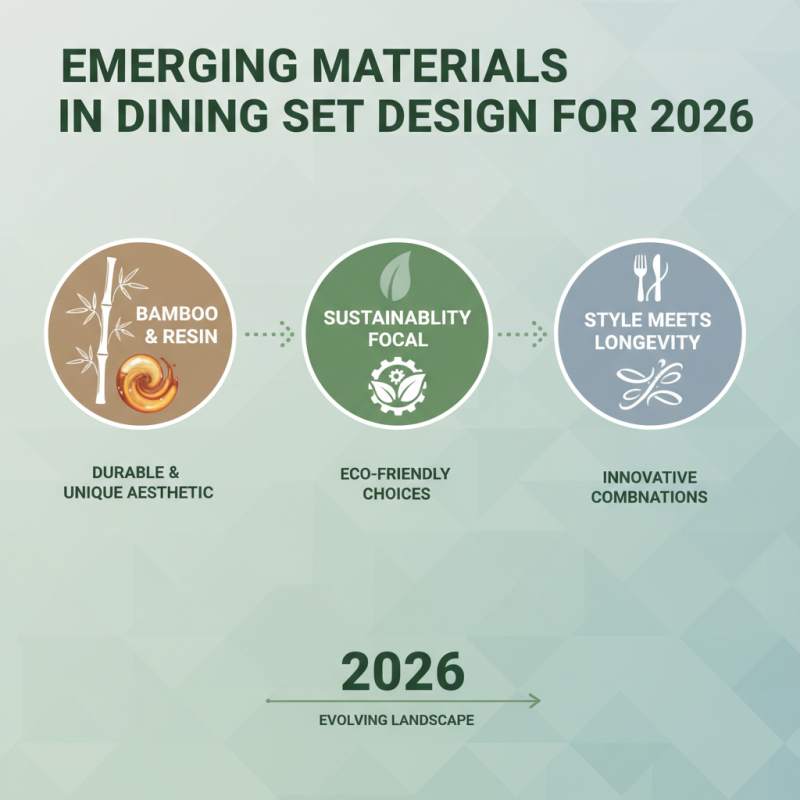
Emerging Materials in Dining Set Design for 2026
In 2026, the dining set landscape will evolve dramatically. New materials will play a crucial role. Expect innovative combinations like bamboo and resin. These choices offer durability while maintaining a unique aesthetic. Sustainability is key in this shift. Look for designs that blend style with eco-friendliness.
Clear acrylic will gain popularity. It provides a light feel in small spaces. Iron accents will add a bold touch to wooden tables. Mixing these textures can create intriguing contrasts. The use of recycled materials is on the rise too. This trend reflects a broader commitment to the environment.
Tips: When selecting a dining set, consider your space. Go for versatile pieces that fit multiple functions. Pay attention to the colors in your home. Look for complementary materials. This enhances harmony in your decor. Don’t forget comfort—seating should be inviting and supportive.
Color Trends Shaping Dining Set Aesthetics in 2026
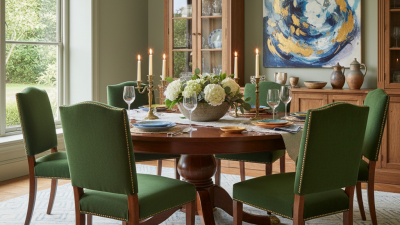
In 2026, the dining set color trends will embrace vibrant and natural palettes. Expect deep greens and rich terracotta shades to make a strong impact. These colors not only evoke nature but also create a warm atmosphere. Combining these hues with neutral tones can balance visual interest and serenity.
Pastel shades will also find their way into dining aesthetics. Soft blues and muted yellows provide a calm backdrop. These colors invite engagement and conversation around the table. They spark joy yet remain subtle enough for an everyday dining experience. However, some may find these gentle tones too timid for their bold personalities.
Metallic accents will emerge as an exciting trend. Brushed gold and matte black finishes can enhance dining sets. They introduce a touch of sophistication without overwhelming the overall design. Yet, the challenge lies in integrating these metallics harmoniously with softer colors. It requires careful consideration and reflects personal style. Color trends will encourage diners to rethink their choices and embrace new combinations.
Top Dining Set Color Trends in 2026
Innovative Shapes and Configurations for Modern Dining Sets
The dining set trends for 2026 highlight innovative shapes and configurations that reflect modern lifestyles. As families become more diverse, dining arrangements evolve. Open-concept homes encourage flexibility in furniture design. Expect to see circular and asymmetric tables gaining popularity. These shapes help create a more inclusive dining environment, allowing for better conversation flow.
Statistics from recent industry reports indicate that around 65% of consumers prioritize multifunctional furniture. This trend is driving brands to innovate with extendable tables and modular seating. Incorporating flexible configurations helps families adapt to different social settings. Tables that can transform or expand are crucial for small living spaces.
Tips: Consider the size of your dining area before purchasing. Measure the space to avoid overcrowding. Look for sets that can be adjusted according to your needs. Invest in materials that are both stylish and durable. This keeps the dining set looking fresh for years. Remember, choosing the right shape can enhance both aesthetics and functionality. Seek designs that reflect your personal style while remaining practical.
Sustainable Practices in Dining Set Manufacturing by 2026
Sustainable practices in dining set manufacturing are rapidly evolving. By 2026, eco-friendly materials will take center stage. Many manufacturers are turning to bamboo, reclaimed wood, and recycled metals. These materials reduce waste and lower carbon footprints. Consumers increasingly prefer items that echo their values.
In addition, the production process is becoming greener. Companies are using energy-efficient methods and minimizing pollutants. Yet, challenges remain. Sourcing sustainable materials can be inconsistent. Quality might vary, creating uncertainty for consumers. Not every product labeled sustainable truly reflects those principles. Transparency in sourcing will be crucial for trust.
Furthermore, the design trends will embrace multifunctionality. Dining sets will blend aesthetics with practicality. Expect to see tables that double as storage units. However, balancing form and function can be tricky. Some designs may compromise comfort for style. It is essential to focus on user experience while keeping design innovative.
Top Dining Set Trends in 2026: What to Expect?
| Trend |
Description |
Sustainability Aspect |
Expected Popularity |
| Eco-friendly Materials |
Use of reclaimed wood, bamboo, and recycled metals. |
Reduces deforestation and minimizes waste. |
High |
| Modular Designs |
Customizable dining sets that can be adapted for various spaces. |
Promotes longevity and flexibility. |
Medium |
| Biodegradable Finishes |
Natural finishes that break down over time. |
Minimizes environmental impact post-use. |
Growing |
| Smart Technology Integration |
Dining sets with built-in technology for enhancing user experience. |
Energy-efficient solutions with smart resource management. |
High |
| Cultural & Local Influences |
Dining sets inspired by local craftsmanship and traditions. |
Supports local economies and artisanship. |
High |
Smart Technology Integration in Dining Set Features for 2026
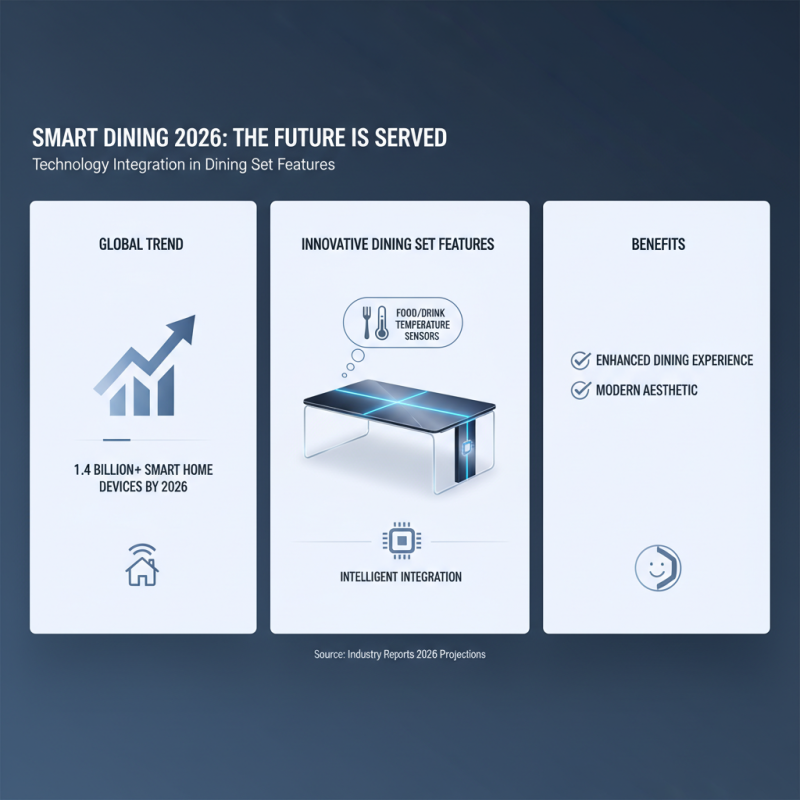
The dining set trends in 2026 will emphasize smart technology integration. Reports show that smart home devices are projected to reach 1.4 billion worldwide. This surge will influence dining areas significantly. Imagine a dining table equipped with sensors that detect the ideal temperature for food or drinks. Such features will not only enhance dining experiences but also bring a modern flair to traditional spaces.
Voice-controlled systems will change how we interact with our dining sets. Users can set mood lighting or play music through simple voice commands. A recent study found that 70% of consumers are willing to invest in smart home technology. However, as convenience rises, some may feel overwhelmed by complexity. Balancing technology and simplicity will be key for manufacturers in 2026.
Moreover, smart technology could help reduce food waste. Tables might feature compartments that track leftovers and suggest recipes. This innovation speaks to environmental concerns. Still, the emphasis on tech could distract from the social aspects of dining. Finding harmony between innovation and personal connection remains a challenge. As we approach 2026, the evolution of dining sets will reflect both progress and the need for human touch.