Essential Tips for Choosing the Perfect Dining Set?
Choosing the right dining set can transform your dining experience. Expert designer Mark Johnson emphasizes, “A good dining set should reflect your style and function.” Selecting a dining set involves more than just aesthetics. You must consider the size, material, and design that suits your home.
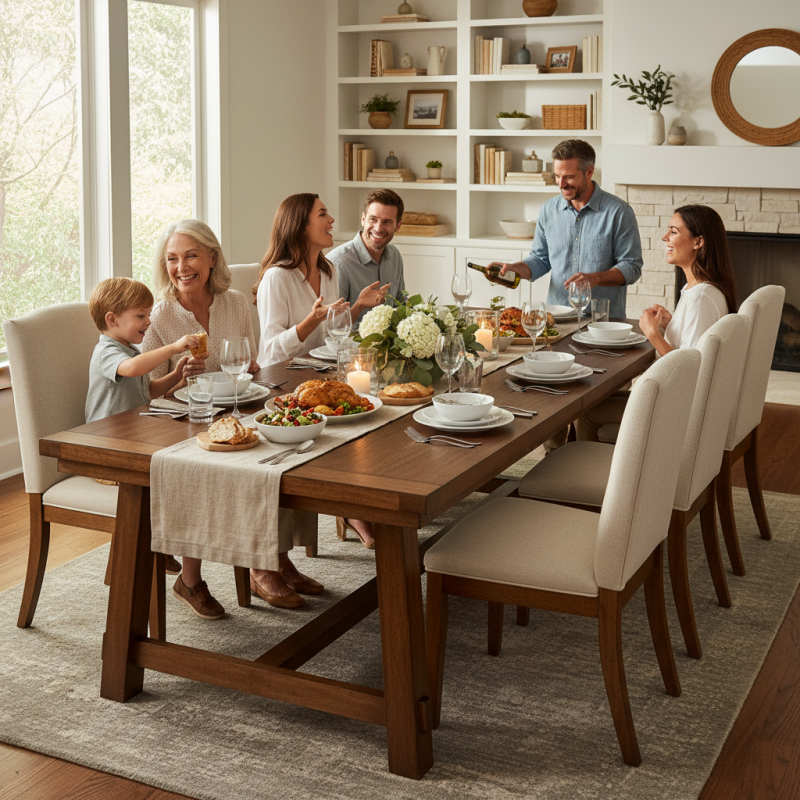
Visualize the warm gatherings around a beautifully set table. That dining set becomes the center of your home. However, many people overlook their space’s dimensions. An oversized dining set can feel suffocating. Conversely, a tiny set in a large room can feel lost. Reflecting on these factors is essential.
Additionally, quality matters in the dining set you choose. Materials like wood or metal can impact durability and comfort. Many consumers fail to test comfort before purchase. Chairs that look appealing might not offer support in the long run. Consider the longevity and practicality of your dining set while embracing your personal style.
Understanding Your Space and Needs for a Dining Set
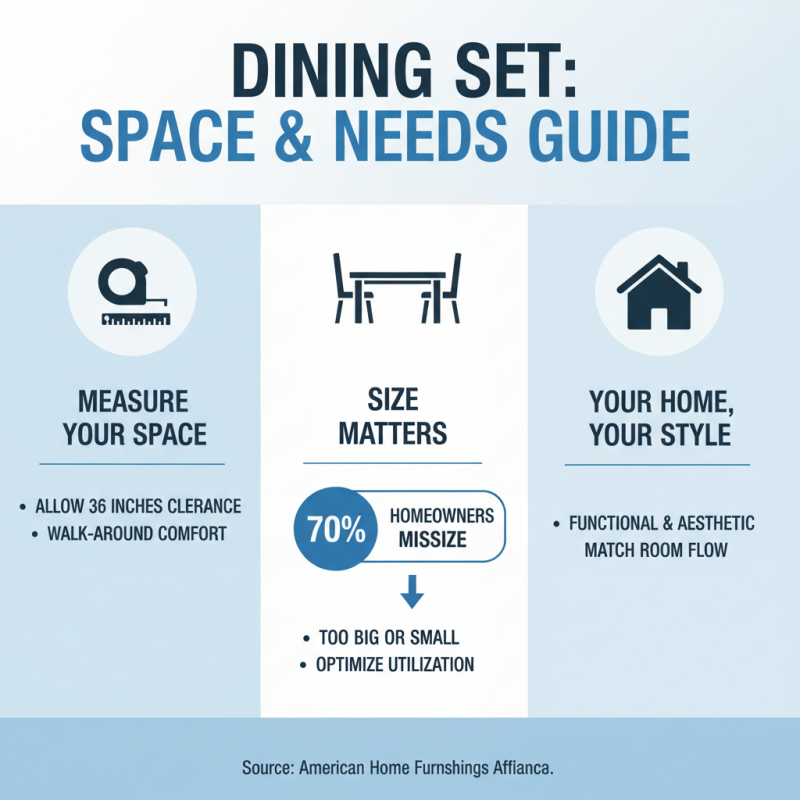
When choosing a dining set, understanding your space is crucial. The space available in your dining area greatly influences the size and style of the dining set. According to the American Home Furnishings Alliance, 70% of homeowners find their dining space to be underutilized. This often leads to sets that are either too large or too small for the space. A dining table should allow for at least 36 inches of clearance around it. This ensures comfort and mobility during meals.
Consider the shape of your room as well. If your space is rectangular, a rectangular table can be ideal, accommodating more people. However, round tables can promote conversation and foster a communal atmosphere. Data from the National Kitchen and Bath Association indicates that 58% of people prefer round tables for smaller, cozy spaces. Reflecting on personal needs is equally important. Do you often host family meals or gatherings? If so, opt for a set that can expand or has additional seating options.
But be cautious about aesthetics. Too many homeowners prioritize looks over practicality. Mixing size or style with existing décor can feel overwhelming. 55% of consumers admit to struggling with buyer’s remorse due to mismatched dining sets. Choosing wisely requires balancing functionality with visual appeal.
Exploring Different Styles and Materials for Dining Sets
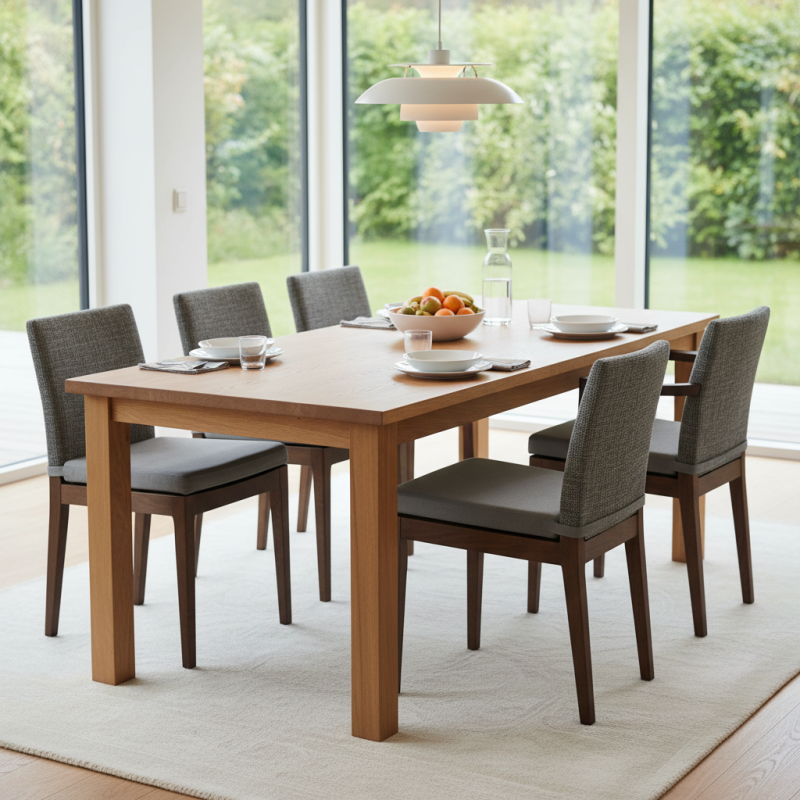
When selecting a dining set, the choice of style and material is crucial. Many homeowners prefer a modern aesthetic, which often features clean lines and minimalist designs. However, traditional styles, characterized by intricate carvings and rich wood finishes, remain popular. According to industry reports, 45% of consumers opt for modern-style dining sets to match their contemporary interiors.
Materials play a key role in durability and aesthetic appeal. Solid wood offers longevity, while metal frames provide a sleek look. Upholstered seats enhance comfort but may require more maintenance. A study indicates that 70% of buyers prioritize furniture that balances aesthetics and durability. Some styles, like rustic farmhouse, can be challenging to pair with other decor. Choose wisely to avoid mismatches that may not blend well.
Color is another area to consider. Light shades can create an open feel but show stains easily. Dark colors hide imperfections better but may make a space feel smaller. A report showed that 60% of people express regret about their color choices after purchase. Keep these aspects in mind when choosing your dining set, as a thoughtful selection can significantly enhance your dining experience.
Essential Tips for Choosing the Perfect Dining Set
| Style |
Material |
Seating Capacity |
Price Range |
| Modern |
Glass |
4-6 |
$300 - $800 |
| Rustic |
Wood |
6-8 |
$500 - $1500 |
| Industrial |
Metal and Wood |
4-8 |
$400 - $1200 |
| Traditional |
Solid Wood |
4-10 |
$700 - $2000 |
| Contemporary |
Acrylic |
4-6 |
$350 - $900 |
Evaluating Comfort and Functionality in Dining Furniture
Choosing a dining set involves more than just aesthetics. Comfort plays a crucial role in the overall dining experience. When selecting chairs, consider the seat height and back support. A chair that feels perfect in the store may not provide the same comfort during long dinners. Pay attention to the materials; softer fabrics or cushions can enhance the experience. However, beware of overly soft seats that can lack support.
Functionality is just as key as comfort. Think about your dining space and what you need. Tables that expand offer flexibility for gatherings. However, they often come with more parts and can be tricky to assemble. Evaluate your lifestyle; a family with kids might prioritize durability over style. Reflect on how often you entertain or simply enjoy family meals. This reflection shapes your choices. Ultimately, the perfect dining set should harmonize with both comfort and practical needs, even if it takes a few tries to get right.
Setting a Budget and Finding Value in Dining Sets
Setting a budget for your dining set is crucial. A recent survey showed that 48% of consumers regret not planning their spending. Dining sets can range widely in price. You might find a basic set for under $200 or a high-end option costing several thousand. Understanding your budget helps narrow your choices.
The key is to balance quality and cost. Research indicates that a well-made dining set can last 10 years or more. However, many affordable options lack durability. This disparity can lead to frustration and wasted money. Think about your needs. If you have kids or pets, consider materials that withstand wear and tear.
Value doesn’t always mean spending the least. Sometimes, a higher price reflects better craftsmanship. Consider long-term use versus initial costs. It’s wise to explore multiple retailers. Prices can vary significantly; comparison shopping is essential. Don’t hesitate to seek out sales or clearance events. A little planning can save you big. It’s the hidden gems that often yield the best value.
Dining Set Price Ranges Analysis
Considering Maintenance and Durability for Long-Term Use
When selecting a dining set, maintenance and durability play crucial roles. According to a recent industry report, over 70% of consumers prioritize easy-to-clean materials. This trend indicates that people are increasingly aware of the time and effort required to keep dining sets in good condition. For instance, materials like tempered glass and treated wood resist stains and scratches, making them preferable for busy households.
Durability often ties back to the quality of materials used. A study showed that high-quality teak can last over 25 years with the proper care. However, many consumers overlook the maintenance needs tied to various materials. For example, while natural wood offers aesthetic appeal, it may require regular oiling and sealing. Not every homeowner is prepared for that ongoing commitment.
Even with the right choices, factors like wear and tear can affect longevity. Some dining sets might look great but fall short in everyday use. Some buyers may find that fashionable designs don't stand the test of time. Reflecting on these aspects, it’s important to match personal style with practicality. Selecting a dining set isn't just about looks; it’s about ensuring it meets everyday demands.