2026 How to Optimize Shoe Storage Solutions for Small Spaces?
In today's world, effective Shoe Storage solutions are essential for maximizing space, especially in small homes. Renowned shoe storage expert, Jennifer Green, emphasizes, "The right storage can transform clutter into organization." With her experience, she understands the challenges of limited space.
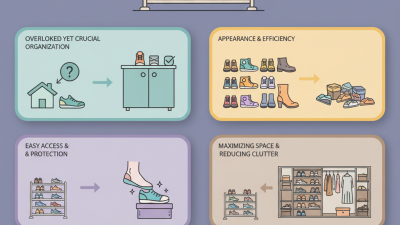
Small areas often lead to shoe chaos. Pairs get misplaced or damaged without proper organization. Homeless shoes may pile up in corners or under furniture, creating an unwelcoming environment. Many overlook how effective storage can change this.
It's not just about creating space; it’s about creating ease. People require a system that is both functional and visually appealing. Often, storage solutions need to be adaptable. The need for versatile options is real. In the realm of shoe storage, innovation is key, but so is practicality. Reflecting on our spaces can spark new ideas for improvement. This journey toward efficient shoe storage is both challenging and rewarding.
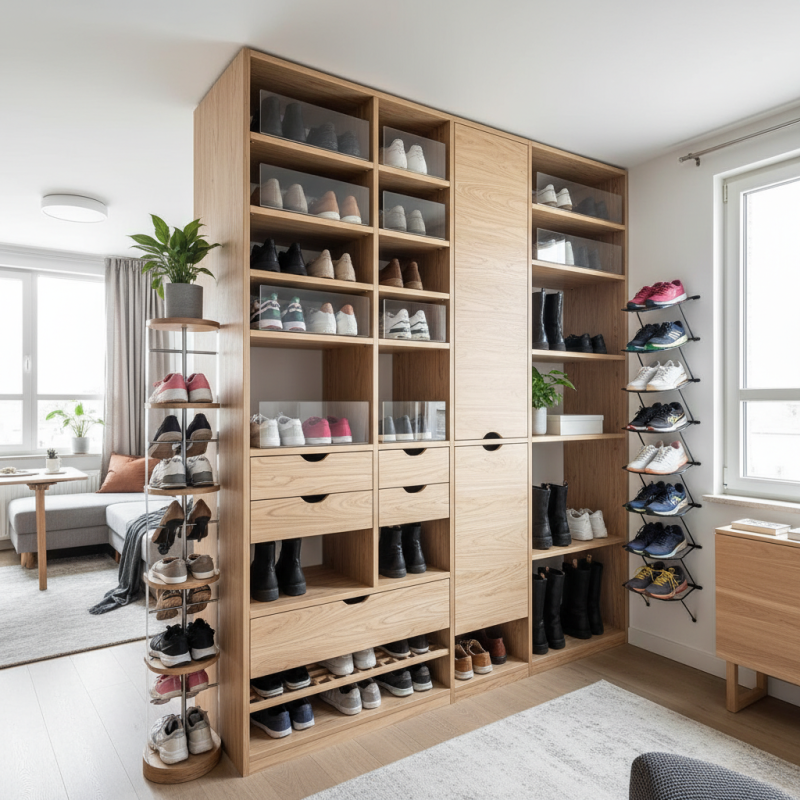
Innovative Shoe Storage Solutions for Small Living Spaces
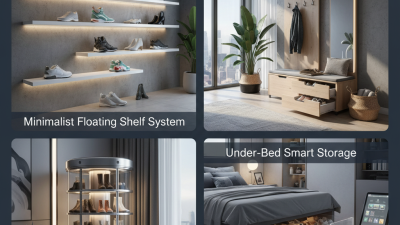
Living in small spaces doesn’t mean compromising on style or organization. It’s essential to find innovative shoe storage solutions that fit seamlessly into your lifestyle. Think vertical. Wall-mounted racks or hanging organizers can save floor space while showcasing your favorite pairs. Use over-the-door organizers for an unexpected twist. These creative options keep shoes off the floor, making your living area feel less cluttered.
Another clever idea is to repurpose furniture. An old bench at the foot of your bed can double as a shoe storage unit. Look for multi-functional furniture that serves more than one purpose. Storage ottomans can hold shoes inside while providing extra seating. Consider under-bed storage boxes for shoes you don’t wear often. These solutions may require some tweaking but can maximize your space effectively.
Don’t forget to assess your storage needs regularly. Shoes can accumulate, leading to chaos if you’re not careful. Set time aside to donate pairs you no longer wear. Often, we hold onto shoes for sentimental reasons, but this can lead to wasted space. Prioritize functionality in your small space while maintaining a touch of style. Embrace the imperfections; an evolving collection can reflect your journey.
Maximizing Vertical Space: Utilizing Shelves and Hooks
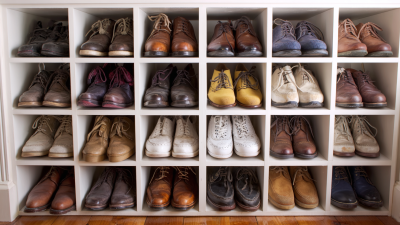
In small spaces, utilizing vertical space is essential for effective shoe storage. Shelves can be a game changer. Consider mounting shelves high on your walls. This allows easy access to frequently used shoes while storing seasonal pairs above. Use clear boxes or baskets on these shelves for better visibility. You’ll save floor space and maintain organization.
Hooks are another practical solution. A simple wall hook can hold sandals and slippers. This keeps shoes off the floor, maintaining a tidy appearance. For a creative touch, use decorative hooks to enhance your decor. Choose a vibrant color or unique design to make it a focal point.
Reflect on your collection. Are there shoes you rarely wear? Letting go of unused pairs can free up space and bring clarity. Organize remaining shoes based on frequency of use. This not only creates a functional space but also gives you peace of mind. Remember, the goal is to harmonize functionality and style.
Optimizing Shoe Storage Solutions for Small Spaces
Under-Bed Storage Options: A Practical Approach for Limited Areas
Under-bed storage is an essential solution for small spaces. Many people overlook this area for organization. According to the National Association of Home Builders, 33% of homeowners struggle with storage space. Using under-bed storage can effectively address this issue.
Placing containers under the bed takes advantage of often unused space. These containers can hold shoes, seasonal items, or even extra bedding. Research from the American Institute of Stress shows that a clutter-free environment boosts mental clarity. A well-organized under-bed area can help achieve that balance.
However, effective under-bed storage requires intentional planning. Not all containers fit neatly under every bed. Measuring the height and clearance is vital. Additionally, labeling boxes can save time when searching for specific items. Over time, you may find that some items are rarely used. Reassessing storage needs periodically ensures optimum use of space. Making these small changes can lead to significant improvements in how you manage your shoe storage.
Multi-Functional Furniture: Combining Seating with Shoe Storage
In small spaces, shoe storage often poses a significant challenge. Multi-functional furniture can be a game changer. For instance, combining seating with shoe storage not only maximizes the utility of a room but also maintains aesthetic appeal. According to a recent study by the National Home Furnishings Association, 63% of homeowners prefer multifunctional furniture to save space, especially in urban settings.
Imagine a stylish bench that offers ample storage underneath. This allows for easy access to shoes while serving as a comfortable seating area. Some designs integrate hidden compartments, which can be both a clever and necessary addition in a limited environment. The global market data indicates that multifunctional furniture sales exceeded $57 billion in 2022, reflecting a growing trend towards practicality and resourcefulness in home decoration.
However, striking the right balance between function and style can be challenging. Many designs may sacrifice aesthetic value for greater capacity. Users might find that certain pieces do not fit their shoe collection well, limiting the functionality. It’s crucial to consider the variety of shoe types and their dimensions when selecting storage solutions. Reflecting on your specific needs helps in achieving a perfect balance between organization and design.
2026 How to Optimize Shoe Storage Solutions for Small Spaces? - Multi-Functional Furniture: Combining Seating with Shoe Storage
| Type of Storage |
Dimensions (inches) |
Material |
Capacity (Pairs) |
Multi-Functional Use |
| Bench with Storage |
48 x 18 x 18 |
Wood |
6 |
Seating |
| Ottoman Storage |
30 x 30 x 18 |
Fabric |
4 |
Footrest, Coffee Table |
| Shoe Cabinet with Bench |
36 x 14 x 48 |
MDF |
8 |
Sitting Area |
| Wall-mounted Shelves |
N/A |
Wood |
10 |
Display Area |
| Folding Shoe Rack |
30 x 12 x 36 |
Metal |
6 |
Portable Seating |
Shoe Organizers: Comparison of Materials and Their Space Efficiency
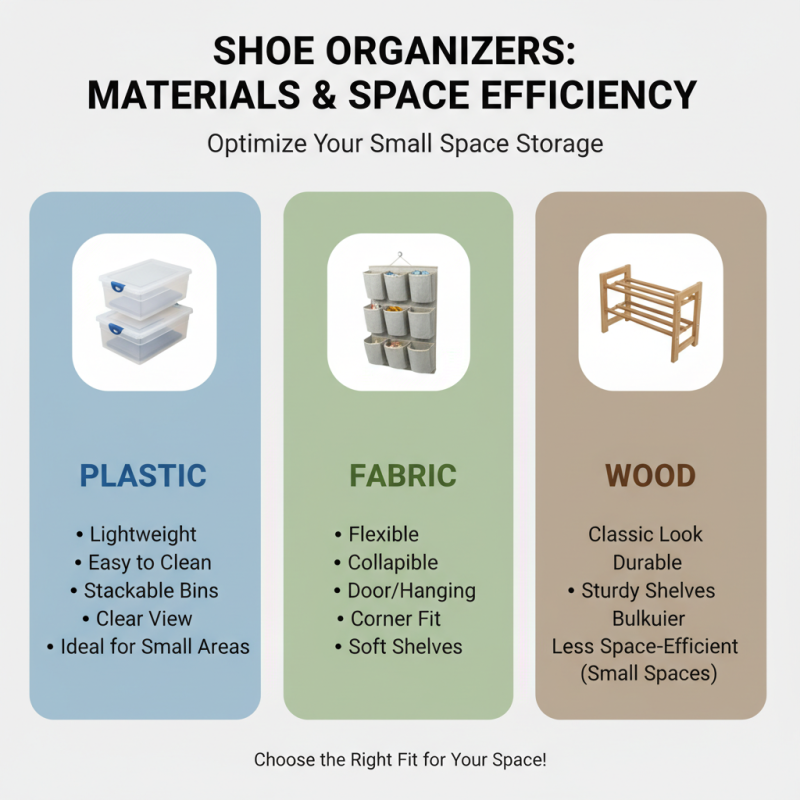
When optimizing shoe storage solutions for small spaces, choosing the right materials for organizers can make a big difference. Many options are available, each with unique benefits. Plastic organizers are lightweight and easy to clean, ideal for small areas. Fabric organizers, on the other hand, provide flexibility and can fit into corners or hang on doors. Wood organizers offer a classic look, but their bulkiness can be a drawback in tight spaces.
For effective shoe storage, consider these tips:
1. Use vertical space. Stackable containers or floating shelves maximize your existing area.
2. Categorize shoes by purpose. Keep casual shoes separate from dress shoes for quicker access.
3. Reflect on your collection. If you rarely wear certain pairs, consider donating them.
Remember, every inch counts in small spaces. Metal shoe racks can add an industrial touch. However, they might not hold as many pairs as you'd like. Balance aesthetics with functionality for the best outcomes.