10 Essential Tips for Organizing Your Bookshelf Efficiently?
In the world of literature and home organization, a well-organized bookshelf is crucial. According to a 2021 survey by the American Booksellers Association, 63% of readers claim that a well-arranged bookshelf enhances their reading experience. This statistic reflects the significant impact organization has on accessibility and inspiration. Discovering a new novel or revisiting an old favorite is effortless when books are grouped smartly.
Bookshelves are more than just storage spaces; they are reflections of personal identity and taste. In a time where an estimated 75% of homes in the U.S. have books, maximizing your bookshelf's potential can lead to a more enjoyable environment. Yet, many individuals struggle with clutter and disarray. This chaos might foster frustration rather than motivation.
When organizing your bookshelf, you must consider space management, aesthetic, and functionality. Striking the right balance can be challenging. It’s essential to keep in mind that perfection isn’t the goal. Instead, the aim is to create a space that sparks joy and supports your reading habits. The key lies in understanding that each choice you make contributes to a better reading experience, both for yourself and visitors.

Assessing Your Current Bookshelf Layout
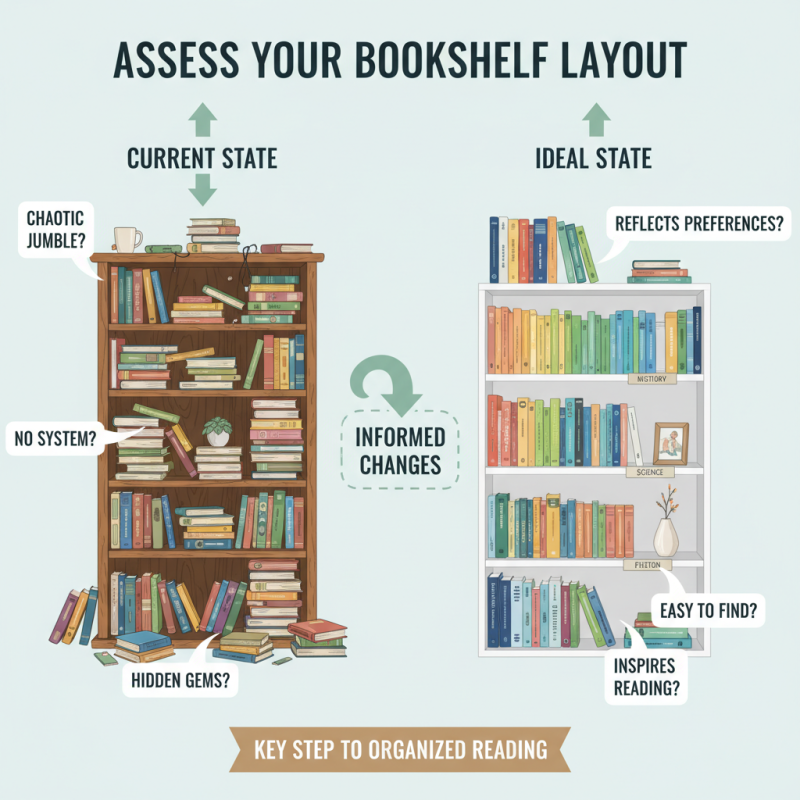
Assessing your current bookshelf layout is the crucial first step in organizing your collection. Take a good look at what you have. Is it a chaotic jumble? Or does it somewhat reflect your reading preferences? Knowing the strengths and weaknesses of your current setup will help you make informed changes.
Consider grouping books by genre or author. This can create a sense of order, but be careful. Within genres, books may clash in size and color. This is where personal reflection is key. Ask yourself how you interact with your collection. Do you often lose track of certain titles? If so, those areas need your immediate attention.
Think about the accessibility of your books. Are your favorites hidden in the back? Move those to the front. This strategy not only enhances visibility but can also spark joy. You might also notice some titles you’ve neglected. This is a chance to rethink their place on your shelf. Your bookshelf should inspire you, not overwhelm you with clutter.
Determining Your Book Categories and Genres
When organizing your bookshelf, start with clear categories. Consider genres like fiction, non-fiction, mystery, and fantasy. Create sections based on your interests. A fantasy section can include popular authors or hidden gems. Think about thematic groupings too. For instance, you might allocate space for travel books together.
After establishing categories, reflect on their arrangement. Are they in alphabetical order, or by color? Each method has its charm but can also lead to confusion. A disorganized shelf can make finding a book difficult. It might help you to assess your reading habits. Do you frequently revisit certain titles? Display them prominently.
Don’t be afraid to adjust your system. A well-organized shelf evolves with your preferences. Consider the books you often lend out or reference. Keep them accessible. An efficient shelf not only looks good but also reflects your personal literature journey.
Book Categories and Their Popularity
This bar chart illustrates the number of books in various categories on a typical organized bookshelf. Use it as a guideline when determining how to categorize and manage your own book collection efficiently.
Choosing the Right Storage Solutions for Your Space
When organizing your bookshelf, storage solutions greatly influence the result. Assess your available space. Consider whether you have floor space for a tall bookshelf or need a compact, wall-mounted design. Tall bookshelves create a grand appearance but may feel overwhelming in smaller rooms. Conversely, low shelves can make a space feel larger and more inviting.
Choose materials thoughtfully. Wooden shelves offer durability and warmth, while metal options can convey a sleek, modern vibe. Use adjustable shelves for flexibility. This allows you to customize the heights based on your collection. If you're displaying decorative items, mix them with books. This adds visual interest but can lead to clutter if not done carefully. Reflect on your choices frequently. If a certain arrangement doesn’t feel right after a few weeks, don’t hesitate to make changes. Organization is a continually evolving process.
10 Essential Tips for Organizing Your Bookshelf Efficiently
| Tip Number |
Tip Description |
Suggested Storage Solution |
Ideal For |
| 1 |
Categorize your books |
Bookends, shelf dividers |
Fiction, non-fiction |
| 2 |
Use vertical space |
Tall bookshelves, wall-mounted shelves |
Small spaces |
| 3 |
Display more than just books |
Open shelving |
Decorative items |
| 4 |
Consider color coding |
Color-coordinated shelving |
Aesthetics-oriented |
| 5 |
Keep it accessible |
Lower shelves or easy reach |
Daily use books |
| 6 |
Use baskets or bins |
Decorative boxes |
Loose items |
| 7 |
Rotate books |
Seasonal display racks |
Current favorites |
| 8 |
Label shelves |
Label maker or tags |
Organized collection |
| 9 |
Repurpose old furniture |
Vintage cabinets |
Unique spaces |
| 10 |
Keep a notebook of your collection |
Notebooks or digital apps |
Cataloging purpose |
Establishing a Systematic Organization Method
Creating a systematic organization method for your bookshelf can bring clarity to your reading space. Start by assessing your collection. What types of books do you own? Consider genres, size, and color. Understanding what you have informs how to best arrange them. A mix of fiction, non-fiction, and reference books can create visual interest and functionality.
Group your books in a way that makes sense for your habits. If you often reach for specific genres, place those at eye level. It may help to use labels or color coding. However, this approach has its flaws. Tastes change and new books will be added. Regular reassessment is key to maintaining an efficient system. Make a habit of revisiting your organization every few months. This keeps your bookshelf dynamic and aligned with your current interests. Over time, you will find what works and what requires adjustment. It's a journey, not a one-time task.
Incorporating Personal Touches and Decorative Elements
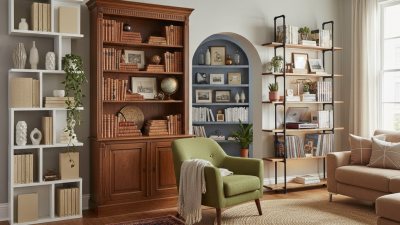
Creating a bookshelf with personal touches can transform a simple collection of books into a cozy, inviting space. Consider mixing your favorite novels with photos or art pieces that resonate with you. A quirky vase or an interesting sculpture can break up rows of books. This approach not only showcases your personality but also makes the bookshelf a focal point in the room.
Another way to enhance your bookshelf is through thoughtful organization. Use decorative boxes to store smaller items like bookmarks or letters. Experiment with color themes; grouping books by color can create a visually appealing display. However, don’t strive for perfection. Embrace the unique quirks of your collection. If some books don't match, that’s perfectly fine. These imperfections tell your story. It’s all about what makes you feel at home.