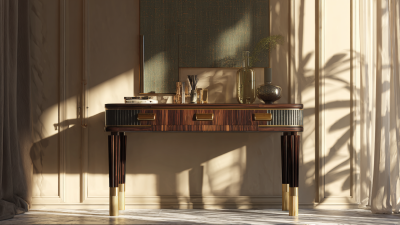
Top Entryway Table Trends for 2026 What Should You Consider?
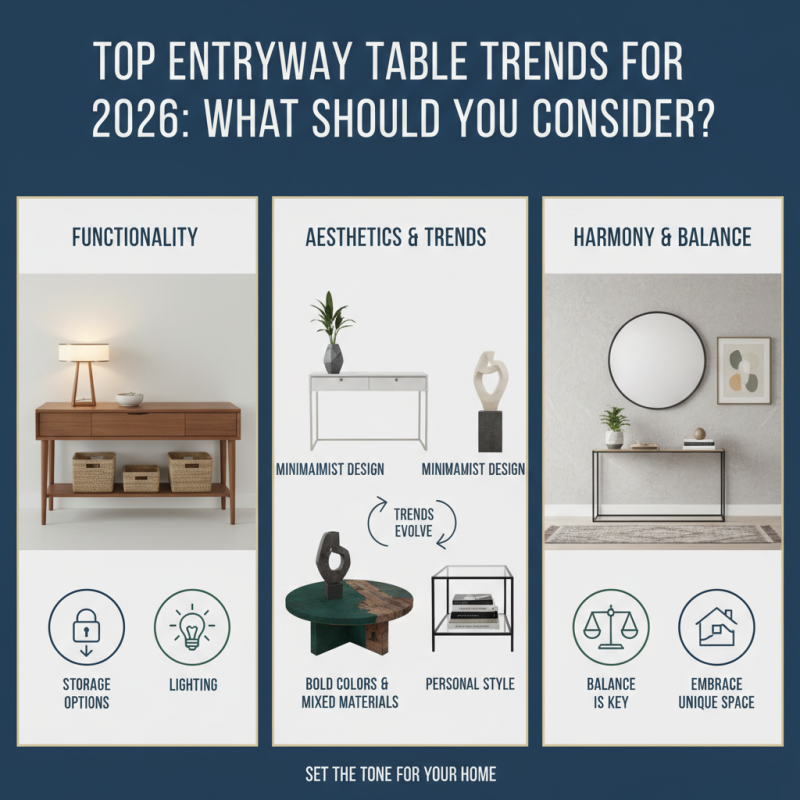
As we move toward 2026, the entryway table emerges as a focal point in home design. This piece not only serves a purpose but also sets the tone for your entire space. Imagine walking into a home where a stylish entryway table welcomes you. Its design often reflects the owner's taste, making it a conversation starter.
When selecting an entryway table, consider functionality. Some tables offer storage options, while others emphasize aesthetic appeal. Lighting can also play a crucial role. A well-placed lamp on the table can make an inviting atmosphere. However, it’s important not to clutter the surface. Balance is key; too many items may overwhelm the space.
Trends evolve, and staying updated is essential. Minimalist designs, bold colors, and mixed materials are popular choices for 2026. The challenge lies in choosing a table that resonates with your personal style while fitting your home’s decor. Reflect on how this piece contributes to your entryway’s overall vibe. Embrace the imperfections of your unique space as you decide what truly matters.
Exploring the Importance of an Entryway Table in Home Design
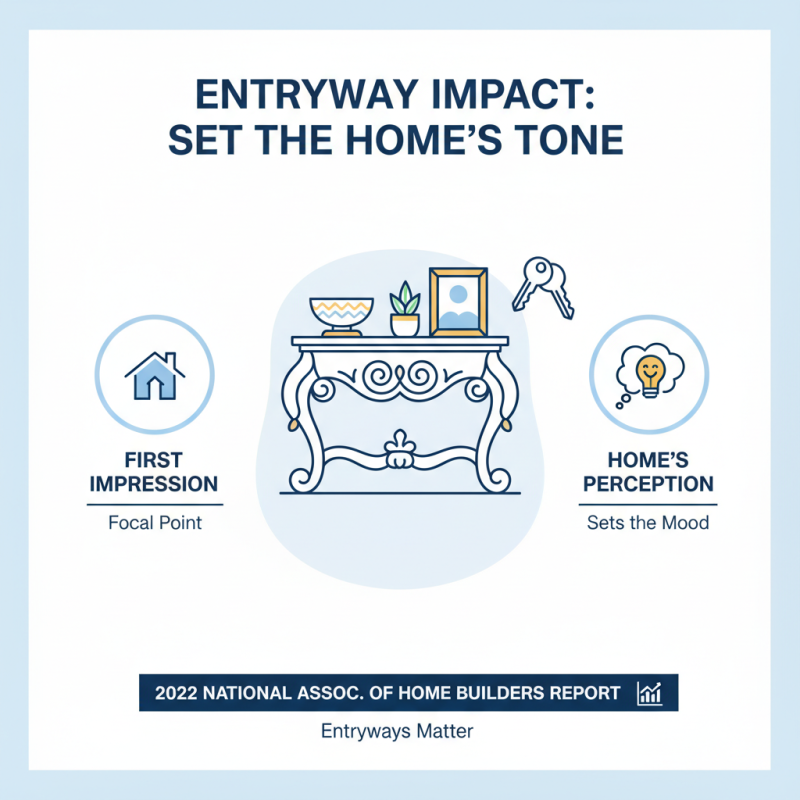
An entryway table serves as a focal point in home design. It’s often the first piece of furniture guests encounter. According to a 2022 report by the National Association of Home Builders, entryways significantly impact a home’s overall perception. A well-decorated entryway can set the tone for the entire home.
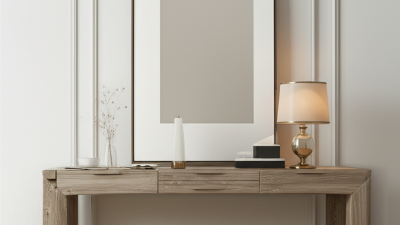
Consider the functionality of your entryway table. It should reflect your personal style while being practical. Some people clutter their tables with unnecessary items. Instead, aim for a few curated pieces—a decorative lamp, a stylish bowl for keys, or a vase of fresh flowers. Don’t forget the lighting; it can change the entire mood of the space. Warm lights create a welcoming ambiance, while brighter lights signal efficiency.
When designing your entryway, pay attention to scale. A small table can make a tight space feel cluttered. A large table might overwhelm a compact corridor. Industry insights show the trend moving towards modular designs, allowing flexibility in small areas. This way, you can customize according to your needs.
Keep in mind that an entryway table can be a monthly reflection of style changes. Some prefer seasonal decor. Others enjoy a minimalist approach. Finding your balance is key. Consider functionality, style, and your personal taste when choosing this essential piece.
Key Design Styles for Entryway Tables in 2026
As we look ahead to 2026, entryway tables are evolving. Many homes are embracing minimalism. Clean lines and open spaces define this style. However, simplicity can sometimes feel cold. Balancing minimalism with warmth is essential. Think of adding textures or colors for an inviting feel.
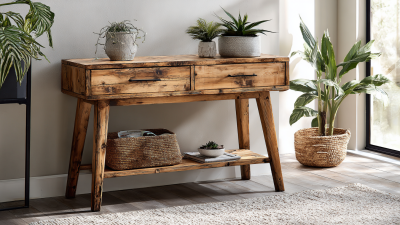
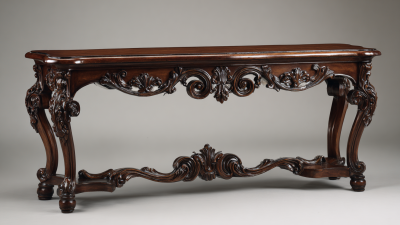
Natural materials are also gaining popularity. Wood and stone create a grounded aesthetic. These materials add character and depth. Yet, choosing the wrong finish can lead to a mismatched decor. Consider the overall theme of your entryway before making a decision.
Functionality remains key in 2026. Many entryway tables now serve multiple purposes. They can hold keys, mail, or even decorative items. However, overloading the table can create clutter. Striking a balance between style and functionality is crucial. It's an art. A well-designed entryway enhances the overall ambiance. But remember, what works for one space may not work for another. Tailoring your design to fit your unique needs is vital.
Top Entryway Table Trends for 2026
Materials and Sustainability Trends for Entryway Furniture
When considering entryway furniture trends for 2026, materials and sustainability take center stage. Natural wood, bamboo, and reclaimed materials are growing in popularity. They align with the eco-friendly movement. These choices are not just stylish; they also reflect a commitment to the environment.
The use of sustainable materials in entryway tables showcases a shift in consumer preferences. Buyers seek furniture that minimizes environmental impact. For instance, tables made from recycled wood offer charm and uniqueness. However, sourcing these materials can be challenging. Not all reclaimed wood is equal, and quality varies greatly. This inconsistency raises questions about durability and aesthetics.
Designers are innovating with sustainable finishes as well. Low-VOC paints and sealants enhance the beauty of entryway furniture while ensuring indoor air quality. Yet, achieving perfect sustainability is tricky. Balancing aesthetics and environmental responsibility often leads to compromises. Reflecting on these choices can inspire more conscious consumerism in 2026.
Functional Features to Enhance Entryway Table Usability
When designing an entryway table, functionality is key. Look for features that enhance usability. A table with multiple shelves can provide extra space for shoes and bags. Hooks attached to the side offer a place for coats and hats. This combination keeps your entry tidy and inviting.
Consider the height of the table. A lower table might seem more accessible, but it can lead to clutter. Higher tables can create a more organized space. Additionally, a table with a built-in bench offers a spot for people to sit while putting on or taking off shoes. It also invites guests to linger.
Lighting is another crucial aspect. A table with integrated lighting can brighten up the entryway. Warm lighting creates a welcoming atmosphere. However, be mindful of how the lighting falls on the table. Shadows may hide items you want to display. Reflect on these details to truly enhance your entryway's functionality.
Top Entryway Table Trends for 2026
| Feature |
Description |
Usability Enhancement |
Trend Level |
| Multifunctional Storage |
Entryway tables that offer drawers or shelves for storage. |
Helps keep the space organized and clutter-free. |
High |
| Sustainability |
Use of eco-friendly materials in table construction. |
Appeals to environmentally conscious consumers. |
Moderate |
| Integrated Technology |
Tables with built-in charging ports and smart features. |
Enhances convenience for modern lifestyles. |
High |
| Stylish Aesthetics |
Trendy colors and designs that match modern decor. |
Creates a welcoming and appealing entryway. |
High |
| Compact Designs |
Tables designed for small spaces with clever layouts. |
Maximizes utility in limited areas. |
Moderate |
Color Palettes and Aesthetic Choices for Modern Entryways
Modern entryways are evolving. Color palettes and aesthetic choices play a pivotal role in setting the tone for your home. Earthy tones, soft pastels, and bold accents are trending. Warm terracotta tones can create a cozy vibe, while cool blues add tranquility.
Consider how these colors work together. Sometimes, combinations can clash unexpectedly. A vibrant orange with muted beige may feel off. Strive for harmony but embrace the imperfections. Rustic wood finishes paired with sleek metal accents create visual interest. Textured surfaces can enhance the overall appeal.
Incorporating greenery can
soften hard edges. A simple plant can uplift the space. Reflect on how these choices influence the mood. Pay attention to the balance of light and shadow. Every detail matters, even if some schemes may not suit everyone. Focus on creating a
welcoming entryway that speaks to your style.