• Call Support 86-0596-2628755

How to Choose the Right Dining Table?

Choosing a dining table can seem simple until you measure the room, pull out a chair, and discover the walkway has disappeared. A good Dinning Table should fit everyday routines, not just look balanced in a product photo. Think about who uses it, how often guests visit, and whether the table also becomes a homework or work surface. These details shape the right size, material, and design.

Start with the space. Measure the dining area and leave enough room for chairs to move comfortably; roughly 36 inches of clearance around the table is a useful planning target when the layout allows. Then consider shape: round tables can make conversation feel easy in compact rooms, while rectangular designs often suit longer spaces. Check the table’s dimensions against your actual chairs, too. Small differences matter.

Materials deserve the same practical attention. Solid wood can be repaired and refinished, while glass may help a small room feel more open but shows fingerprints quickly. If children or frequent meals are part of daily life, look for surfaces that are easy to clean and sturdy joinery. Beautiful, but is it practical? That question can save regret. Still, no checklist can predict every household’s habits, and my first choice might not suit yours. The best decision balances comfort, durability, budget, and personal taste. Before buying, mark the tabletop’s footprint on the floor with painter’s tape and sit around it. A few minutes of testing can reveal more than another scroll through polished photos.
How to Choose the Right Dining Table?

Assess Your Dining Space and Everyday Needs

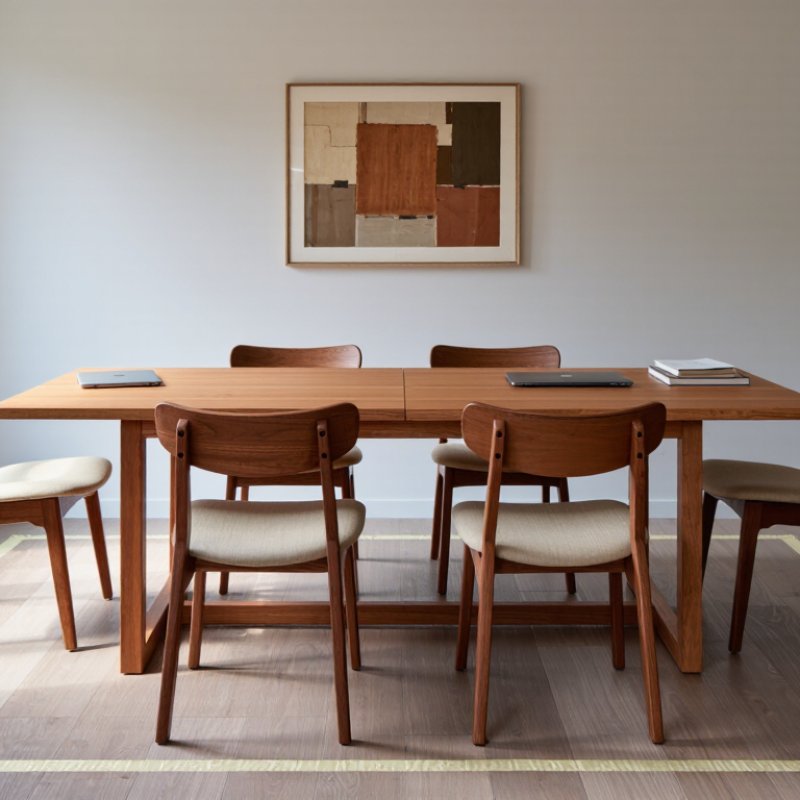
Measure the dining area before you fall for a table shape or finish. Note the room’s length and width, then mark the proposed tabletop with painter’s tape. Include chair space: about 36 inches between the table edge and a wall or other obstacle makes moving around easier. Less may work in a tight room, but test it with a chair pulled out.

Think about who uses the table on an ordinary Tuesday, not only at holidays. A couple who eat quickly may need less seating than a family that spreads out homework, dishes, and laptops. Count regular diners, then consider whether guests visit often enough to justify extra leaves. A smaller table can feel more comfortable every day. It can also feel cramped when company comes.

Watch the room in use. Do chairs block a doorway? Can someone carry a hot dish from the kitchen without turning sideways? Try the tape outline during a normal meal, and pull out every chair. Small details matter. Measure again if the room also serves as a work or play area. I might still choose a table that is slightly too large; that is easy to regret once chairs scrape the wall. A few minutes of testing can reveal more than a floor plan alone.

Choose a Table Shape, Size, and Seating Capacity

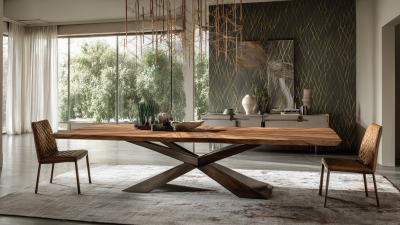
Choosing a dining table starts with the room, not the number of seats on a product page. Measure the usable floor area, then leave roughly 36 inches between the table edge and nearby walls or furniture. This gives chairs space to slide back. In a narrow room, a rectangular table often fits along the longest wall. A round table can soften a square room and make conversation easier, though it may use more floor space than expected. Looks aren’t everything.

Table size should suit both daily meals and occasional guests. Allow about 24 inches of table-edge space per person; wider place settings may need more. A 60-inch rectangular table often seats six, but chair width and leg placement can change that. Check your chairs before buying. If you host rarely, an extendable table may be sensible, but consider where its leaves will be stored. It is easy to underestimate that detail.

Tips: Tape the table’s footprint on the floor and pull out a chair. Walk around it with a tray. If the path feels tight now, it will feel tighter during dinner. Measure twice. Keep your room measurements handy when comparing shapes.

Compare Materials, Construction, and Durability

Material affects how a dining table ages, not just how it looks. Solid wood can be repaired and refinished, but seasonal humidity may cause movement. The USDA Forest Products Laboratory’s Wood Handbook places wood’s average fiber saturation point near 30% moisture content; below it, moisture changes can affect wood dimensions. Veneered engineered panels are often more dimensionally stable, though damaged edges may expose the core. Glass resists stains but shows fingerprints, while metal frames need sound welds and protective finishes.

Construction matters as much as the surface. Check whether legs attach with sturdy bolts, brackets, or well-fitted joinery. Push gently at a corner: noticeable wobble can signal loose connections or a weak frame. Feel the joints. A thick top may still sag if its support rails are too far apart. A perfect-looking finish is not proof of lasting quality; even careful buyers can miss hidden weaknesses.

Tips

Inspect underneath the table, especially around leg mounts and seams. Look for sealed edges on engineered panels and smooth, unbroken welds on metal frames. Ask how the surface should be cleaned, and whether repairs are practical. These details may feel fussy in a showroom, but they matter after years of spilled drinks and daily use.

Check Table Height, Clearance, and Room Layout

How to Choose the Right Dining Table?

Table height and chair fit affect comfort more than appearance alone. Most dining tables are about 28–30 inches high, with chair seats around 17–19 inches. That leaves room for legs and makes sitting down easier. Before buying, measure your current chair seat and check the distance to the table apron. A thick apron can make a seemingly standard table feel cramped.

Clearance matters just as much. The National Kitchen & Bath Association’s kitchen-planning guidance recommends roughly 36 inches between a table edge and nearby walls or obstacles for movement. Measure with chairs pulled out, not tucked in. In a narrow room, that detail can change everything. Sketch the table’s footprint on the floor, then add chair space and the route people use to reach the kitchen. A layout that looks roomy when empty may feel tight at dinner.

Tips: Use painter’s tape to mark the table and chair positions. Walk around the outline, then pull out each chair. Check door swings, vents, and pendant lights, too. One useful dimension can still miss the real problem: how people move when someone is seated.

How to Choose the Right Dining Table

Compare common planning targets for table height, seating, and room clearance.

A dining table is typically about 28–30 inches high, paired with seats around 17–19 inches high. Allow roughly 36 inches between the table edge and nearby walls or furniture; aim for about 42 inches along a main walkway. These are practical planning targets, so check your room and furniture measurements before buying.

Balance Your Budget with Maintenance Requirements

How to Choose the Right Dining Table?
Balance Your Budget with Maintenance Requirements

A dining table’s price is only part of its cost. Include delivery, assembly, protective finishes, and likely repairs in your budget. A lower-priced table may need more frequent care, while a durable surface can cost more upfront. Compare the total cost over several years, not just the number on the tag. Measure your room, too. A table that blocks chairs or crowds a walkway can become an expensive mistake.

Think about how you actually eat and clean. Solid wood can often be refinished, but it may need prompt attention to spills and occasional conditioning. Glass wipes clean quickly, though fingerprints show easily. Some laminate surfaces resist everyday stains and require little more than a damp cloth, but deep damage can be difficult to repair. Read the care instructions before buying. Small print matters.

Be realistic about your routine. If weeknight meals leave sauce near the table edge, choose a finish that suits quick cleanup. Felt pads under dishes can reduce scratches, and coasters help limit water marks. Keep a little money aside for replacement pads or minor repairs. Low maintenance is not maintenance-free. I would avoid paying extra for a delicate surface simply because it looks striking in a showroom; daily life may change that choice.

How to Choose the Right Dining Table? - Balance Your Budget with Maintenance Requirements

Table material Typical price range (USD) Routine maintenance Durability and repair Best suited to Budget and upkeep balance
Solid wood
Oak, maple, or similar hardwood
About $500–$2,500+ Wipe with a soft, slightly damp cloth; use coasters and placemats. Avoid prolonged moisture, heat, and direct sunlight. Follow the maker’s guidance for polishing or refinishing. Often long-lasting. Scratches and dents may be repairable; many solid-wood tops can be sanded and refinished, depending on construction and finish. Households seeking a long-term table with a natural look and the option of future refinishing. Higher upfront cost, but repairability can extend useful life.
Wood veneer
Thin wood layer over a core
About $250–$1,200 Dust and wipe promptly with a soft cloth. Keep water and hot items off the surface; use coasters and placemats. Provides a real-wood surface at a lower price, but the thin veneer can chip or wear through. Deep damage is more difficult to repair than on solid wood. Buyers who want a wood appearance at a moderate price and can protect the surface from impact and moisture. Good visual value; careful use helps prevent costly surface damage.
Laminate
Decorative surface over a composite core
About $150–$800 Usually needs only a damp cloth and mild detergent. Dry spills, especially near seams and edges; avoid abrasive cleaners and very hot cookware. Resists everyday stains and is easy to clean. Chips, burns, or peeling edges can be difficult to repair seamlessly. Busy households, first homes, and buyers prioritizing a low purchase price and simple cleaning. Low upfront cost and low routine effort; consider replacement rather than refinishing if badly damaged.
Tempered glass About $200–$1,000 Clean with glass cleaner or a soft cloth and suitable mild cleaner. Wipe fingerprints and water marks; use placemats to reduce scratches and noise. The surface is nonporous and does not need sealing, but it can show smudges and may chip or break from a hard impact. Damaged glass generally needs replacement. Smaller rooms or buyers who prefer a visually light, easy-to-wipe surface. Moderate price and straightforward cleaning, with extra care needed to prevent impact damage.
Natural stone
Marble or granite
About $1,000–$5,000+ Use a soft cloth and a cleaner suitable for the specific stone. Protect the surface from acidic spills; some stones require periodic sealing according to the stone and finish. Heavy and sturdy, but stone type matters. Marble can etch from acids and scratch; chips, cracks, or stains may require professional repair. Buyers who value a distinctive stone surface and are comfortable with its weight and care needs. High purchase and potential repair costs; choose it for appearance and longevity rather than minimal upkeep.
Engineered stone
Quartz-based composite
About $800–$3,000+ Clean with a soft cloth and mild detergent. Follow the manufacturer’s care instructions and use trivets; some products can be damaged by high heat. Typically nonporous and does not require sealing, but edges can chip and heat may damage some products. Repairs may be visible and usually require a specialist. Buyers wanting a stone-like look with relatively simple daily cleaning. Higher initial cost than laminate, with less routine care than many natural stones.

Price ranges are approximate U.S. retail estimates for dining tables and vary by size, construction, finish, and retailer. Always check the specific product’s care instructions.