How to Choose the Perfect TV Stand for Your Space?
Choosing the right TV stand can seem daunting. Interior design consultant Emily Thompson states, "A TV stand should blend functionality and style seamlessly." This insight highlights the importance of balancing aesthetics with practicality.
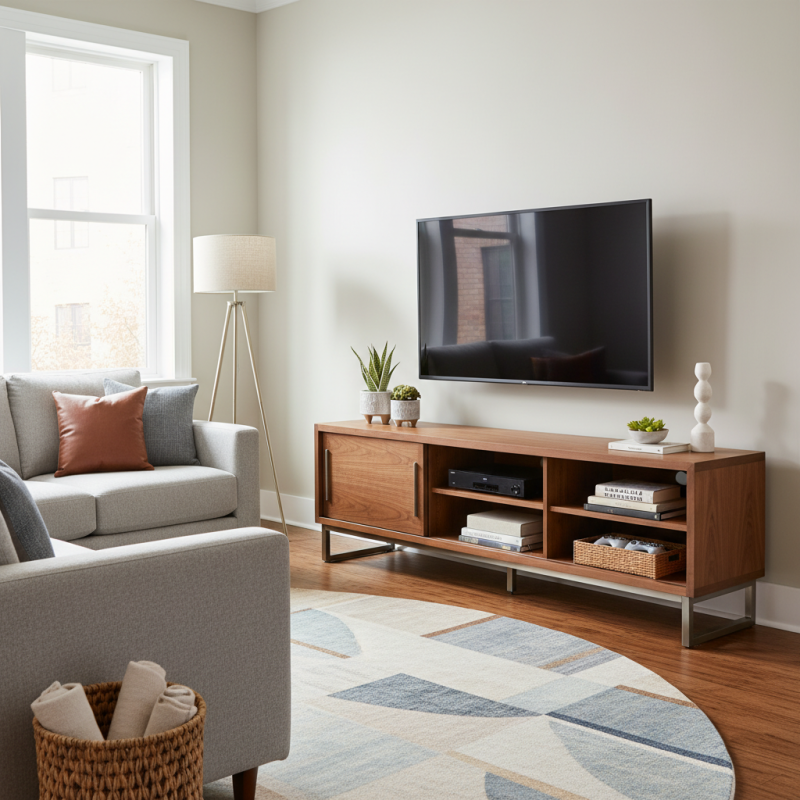
When selecting a TV stand, consider the size of your space. A stand that is too large can overwhelm a small room. Conversely, a tiny stand might get lost in a spacious area. Think about the materials as well. Wood offers warmth, while metal ensures a modern look.
Functional aspects matter too. Shelving for consoles and storage for remotes can enhance usability. Not every TV stand fits every need. Reflect on your room's overall vibe and layout. The perfect TV stand should reflect your personal style while serving its purpose effectively.
Identifying Your Space Requirements for a TV Stand
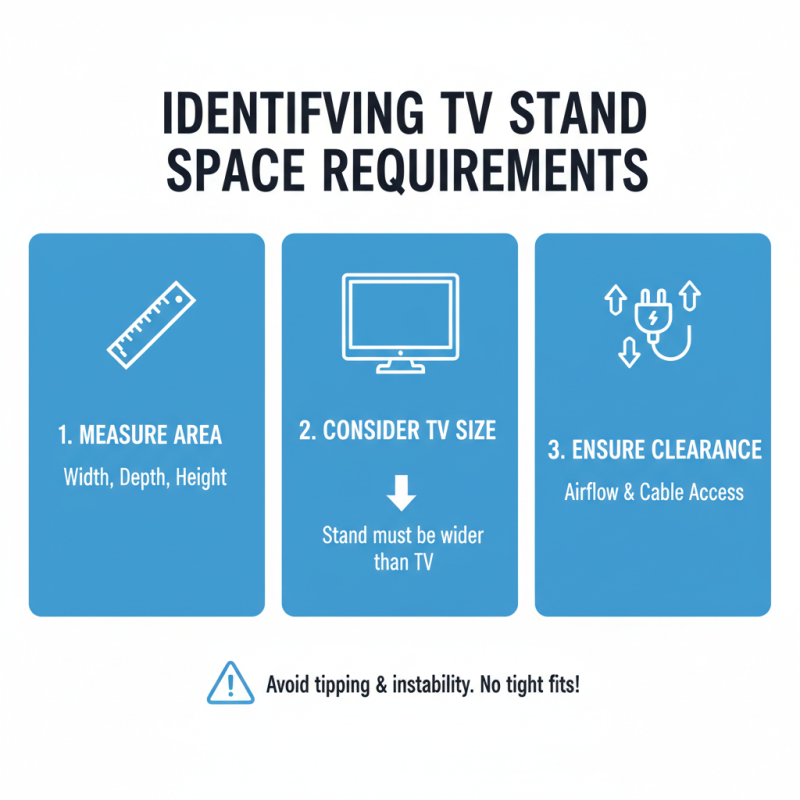
When choosing a TV stand, understanding your space requirements is critical. Measure the area where you intend to place the stand. Consider the dimensions of your TV. A stand must accommodate it properly to avoid tipping or instability. A tight fit might look appealing, but it often restricts airflow and access to cables.
Evaluate your room's layout. Is it an open space or a cozy nook? If your area has limited room, opt for a compact design. A stand that offers storage can be beneficial. Shelves for devices, books, or decorative items can enhance the space without making it feel cluttered.
Think about the height as well. A stand that is too low can strain your neck. Conversely, one that is too high may obstruct viewing angles. Reflect on your seating position - the stand should align with your eye level when seated. A balance between form and function is vital, and inappropriate choices may lead to discomfort later.
Understanding Different Style Options for TV Stands
Choosing the right TV stand can greatly enhance your living space. With many styles available, it's crucial to understand your options. According to industry reports, about 70% of consumers consider aesthetics a priority. Modern stands often feature sleek lines, while rustic styles embrace wood textures. Do you prefer low-profile designs, or a stand that raises your TV to eye level?
When selecting a style, consider the atmosphere of your room. If you have a minimalist decor, a simple stand in a neutral color may blend well. In contrast, a bold, colorful piece can serve as a statement. The style should complement your furniture and not dominate the space. A report from the Home Furnishings Association suggests that 60% of buyers choose TV stands that match their existing decor.
Tip: Measure your space before purchasing. Ensure that the stand fits comfortably in your designated area. This prevents overcrowding and maintains a balanced look. Remember to factor in your viewing distance as well. If your TV stand is too low, you may strain your neck.
Ultimately, the right stand involves more than just looks. It should also offer functionality. Research shows that stands with additional storage can significantly reduce clutter. It's worth considering styles with drawers or shelves. They can help keep your living room organized and inviting.
TV Stand Style Preferences Among Homeowners
Considering Material Choices and Durability
Choosing the right material for your TV stand can significantly impact both aesthetics and functionality.
Wood is a popular choice, known for its durability and timeless appeal.
Solid wood stands can withstand wear and tear while adding warmth to a room.
However, they may not be as water-resistant as other materials.
Engineered wood can mimic natural wood yet often lacks the same longevity.
Metal stands provide a modern look and are often more resilient against daily use.
They are lighter and can be easily moved, which is great for rearranging your space.
However, metal can be susceptible to scratches and rust if not maintained properly.
Glass TV stands offer a sleek appearance and create an illusion of more space.
They are easy to clean but worry about fingerprints and breakage is common.
Ultimately, your choice should reflect not only your style but also how those materials will perform in your everyday life.
Consider where you live, your lifestyle, and personal preference.
Reflect on how your choices align with your needs.
Evaluating Storage Needs and Cable Management Solutions
When selecting the perfect TV stand, storage needs play a crucial role. Assess how many devices you own, such as gaming consoles or streaming boxes. Consider the dimensions of books, DVDs, or any ornaments. A stand with shelving can help organize these items neatly. If your collection grows, you might regret a smaller stand.
Cable management is another vital aspect. Messy cables can ruin the aesthetics of your space. Look for stands with built-in cable management features like back panels or cutouts. Alternatively, you can use cable ties or clips to keep them organized. A tidy setup can enhance your viewing experience tremendously.
Don’t overlook the importance of style as well. Choose a stand that complements your room’s design. A mismatched piece can clash with your decor. When you take time to evaluate functionality and aesthetics, you’re more likely to find a stand that fits perfectly in your home.
How to Choose the Perfect TV Stand for Your Space? - Evaluating Storage Needs and Cable Management Solutions
| TV Stand Style |
Dimensions (W x H x D) |
Storage Capacity |
Cable Management Features |
Material |
| Modern |
60" x 25" x 16" |
Up to 75 lbs |
Built-in cable trays |
Engineered wood |
| Rustic |
55" x 28" x 14" |
Up to 80 lbs |
Open back design for easy access |
Solid wood |
| Minimalist |
50" x 20" x 15" |
Up to 70 lbs |
Concealed cable management |
Metal and glass |
| Traditional |
65" x 30" x 18" |
Up to 100 lbs |
Rear cable management hole |
Hardwood |
| Corner |
42" x 24" x 24" |
Up to 60 lbs |
Cable management holes on sides |
MDF with veneer finish |
Measuring Your TV Dimensions and Stand Compatibility
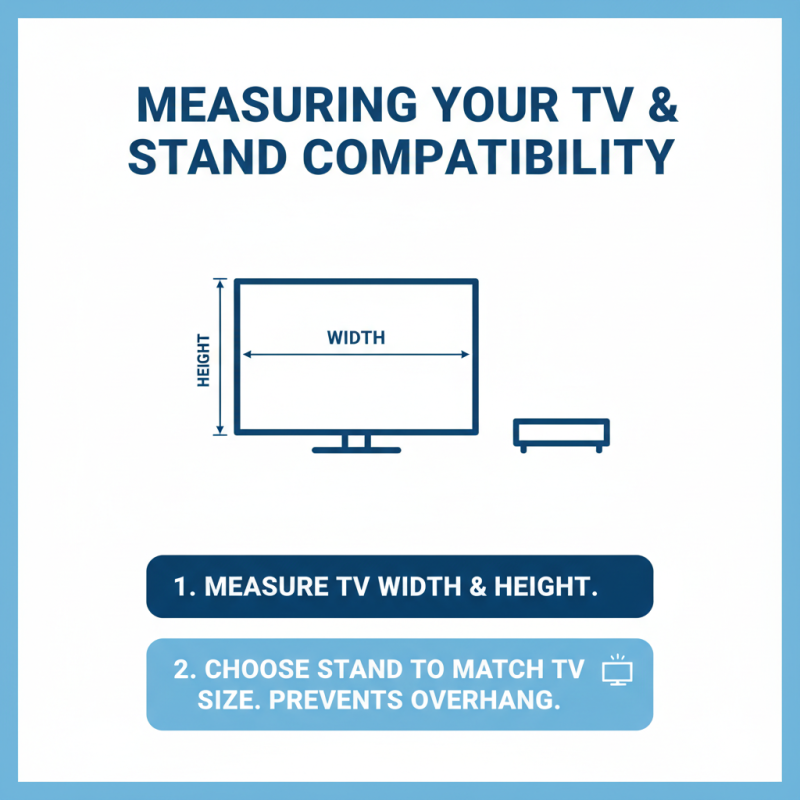
Choosing the right TV stand begins with understanding your TV's dimensions. Start by measuring your TV's width and height. Most stands are designed to fit TVs of certain sizes. Knowing these dimensions ensures your TV won't overhang or appear too small on the stand.
When selecting a stand, also consider its weight capacity. A stand needs to support your TV's weight without risk of collapsing. Alongside that, ensure there’s enough space for any additional equipment, like gaming consoles or sound systems. Delve into the stand’s height; it should allow for comfortable viewing from your seating position.
Don't overlook the style and material of the stand. A heavy wooden stand may suit traditional decor, while a sleek metal option might fit modern spaces. Look for sturdy construction, but be wary of overly cheap materials, as they can diminish stability. Measure your space carefully to avoid unexpected issues. It’s frustrating to realize that your stand is too tall or wide after you’ve purchased it. Always double-check before making a decision.