How to Choose the Best Shoe Rack for Your Space?
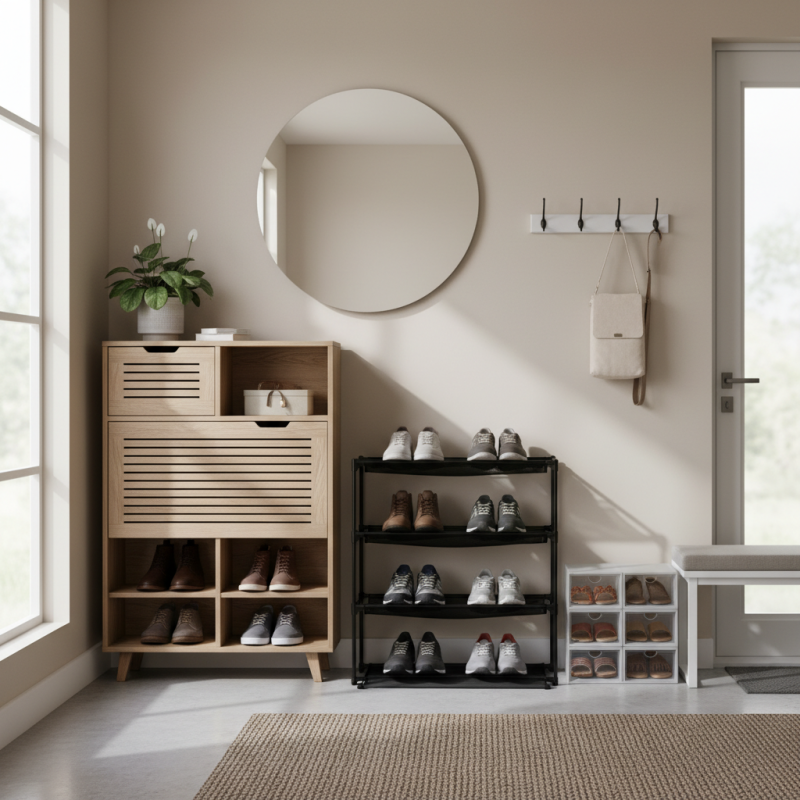
Choosing the right shoe rack can significantly improve your space. A well-selected shoe rack organizes your footwear and enhances your home’s aesthetic. With so many options available, it’s easy to feel overwhelmed.
Consider how many pairs you own. Make a list of your must-haves. A shoe rack should accommodate your collection without looking cluttered. Materials matter, too. Wood, metal, or plastic will influence durability. Each option carries a unique style and function.
Don’t forget to measure your space. A shoe rack that is too large can overwhelm a small entryway. On the other hand, a small rack may not fit your needs. Reflect on your daily habits. Will you need easy access for shoes you wear often? Your choice should match your lifestyle. Remember, a shoe rack can be practical and stylish. It’s time to find what works for you.
Understanding Your Space: Measuring for a Shoe Rack
When choosing a shoe rack, understanding your space is crucial. Start by measuring the height, width, and depth of the area where you plan to place the rack. This helps ensure it fits without overwhelming the room. Consider the door swings, furniture placement, and foot traffic areas.
A well-fitted shoe rack can enhance the organization of your space. Take time to visualize how it will look. Will it block any pathways? Is there enough clearance for opening doors or drawers?
Tips:
Measure twice to avoid surprises. Use painter's tape to outline the dimensions on your floor. This helps in visualizing the shoe rack's footprint. Don’t rush the process. Reflect on your storage needs. Are you a minimalist with a few pairs, or do you have a collection? Each factor influences your choice.
Types of Shoe Racks: Selecting Based on Style and Function
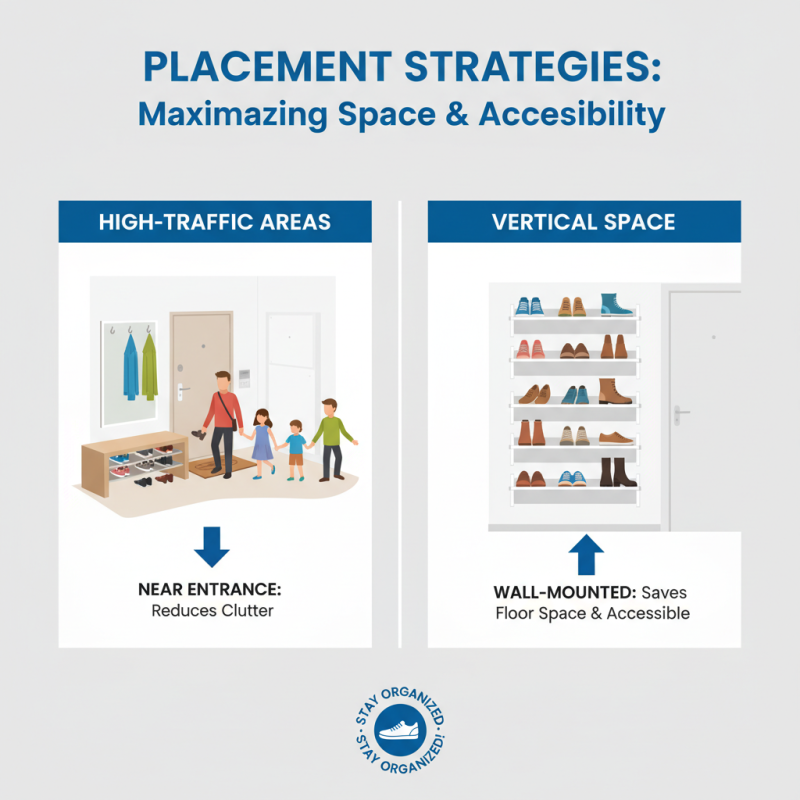
When selecting a shoe rack, consider style and functionality. There are numerous types. Each suits different spaces and needs. A freestanding rack fits larger areas. It often offers more storage. Wall-mounted options save floor space. They provide a stylish touch too.
For small homes, choose compact designs. Look for racks with multi-functional uses. Consider those that double as seating or decor. Hooks can hold accessories above the rack, optimizing space.
Tips: Measure your space. Ensure the rack fits without overcrowding. Think about airflow; closed racks can trap odors. Choose materials that complement your home’s aesthetic. Reflect on your shoe collection size. You might find you need extra storage sooner than you think.
Types of Shoe Racks: Selecting Based on Style and Function
Material Considerations: Durability and Aesthetics in Shoe Racks
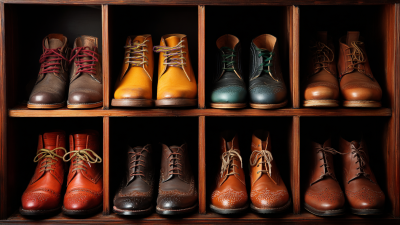
When selecting a shoe rack, material plays a crucial role in both durability and aesthetics. High-quality materials can enhance a shoe rack's lifespan, while also complementing your home decor. According to a recent industry report, well-constructed shoe racks made from solid wood can last over 20 years. In contrast, racks made of cheaper materials may require replacement within a few years, leading to waste and unnecessary expense.
Metal racks are another popular option. They offer a modern look and are typically more durable than plastic counterparts. Reports show that metal shoe racks are preferred for heavier footwear, withstanding weight better than their plastic options. While plastic may be lighter and more affordable, it often lacks the longevity needed for daily use. It is essential to weigh the upfront costs against the long-term benefits of materials.
Consideration of aesthetics is equally important. A shoe rack in a stylish wood finish can blend seamlessly into a classic interior. Meanwhile, sleek metal designs might enhance a contemporary space. However, some may find choosing a material that aligns with their interior design challenging. Consulting design experts can help, but ultimately, personal taste plays a significant role in this decision.
How to Choose the Best Shoe Rack for Your Space?
| Material |
Durability (Years) |
Aesthetic Appeal |
Weight Capacity (lbs) |
Price Range ($) |
| Wood |
10-20 |
Classic and Warm |
150 |
50-300 |
| Metal |
15-30 |
Modern and Sleek |
200 |
40-250 |
| Plastic |
5-10 |
Colorful and Versatile |
100 |
20-150 |
| Bamboo |
10-15 |
Eco-Friendly and Natural |
120 |
30-200 |
| Fabric |
3-8 |
Soft and Cozy |
70 |
15-100 |
Capacity and Organization: Evaluating Shoe Rack Size and Design
When selecting a shoe rack, capacity and organization are critical. A shoe rack should accommodate your daily footwear needs while maintaining a neat appearance. According to a report by the American Home Furnishings Alliance, about 87% of households find their entryway cluttered. Finding the right size can prevent this frustration. A compact design may be visually appealing, yet could lack the ability to hold a larger collection.
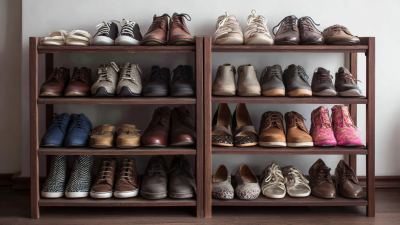
Consider your available space. A shoe rack that is too tall can seem overwhelming. Conversely, a narrow rack might not store enough pairs. Research indicates that around 45% of consumers prefer open racks, as they allow for better visibility and access. This encourages regular use and organization, preventing pile-ups at the door. However, these open designs may expose shoes to dust.
Reflect on the design that suits your style and needs. A balance must be struck between aesthetics and functionality. A popular choice is the combination of cubbies and shelves, which can improve organization. Yet, not every design complements every entryway. Visual clutter is something to monitor. Ensuring a shoe rack serves both practical and stylistic purposes can transform your space.