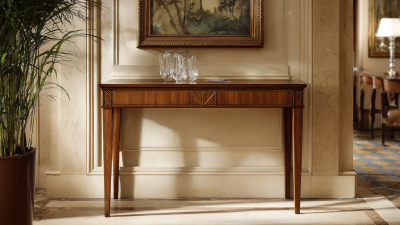
Choosing the best Hallway Table in 2026 is not only a style decision. It is a practical test of space, movement, storage, and daily habits.
A narrow entrance can feel welcoming with the right proportions. A bulky table can make the same area feel blocked and uncomfortable. Measure the wall, doorway clearance, and walking path before shopping. Leave enough room for coats, bags, and passing feet. Around 30 to 36 inches of clear circulation often feels comfortable, but every home differs. That detail matters.
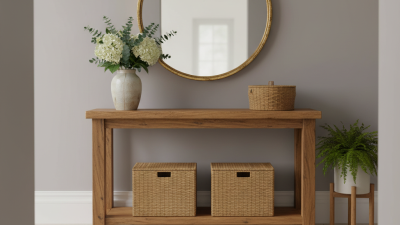
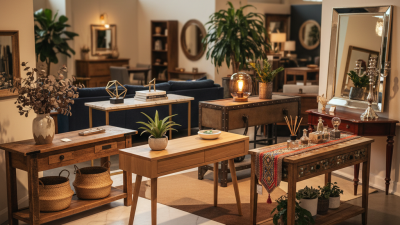
Interior designer Bobby Berk has said, “Your home should tell the story of who you are and be a collection of what you love.” This idea suits a Hallway Table perfectly. It should support your routine while reflecting your personality. Consider a drawer for keys, a lower shelf for baskets, or a slim top for a lamp and small mirror. Choose durable finishes when children, pets, or muddy shoes are part of everyday life.
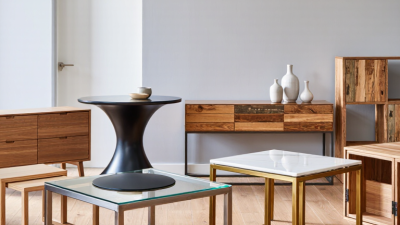
Materials also deserve careful attention. Solid wood brings warmth, while metal and glass create a lighter visual effect. Rounded edges may improve safety in narrow corridors. Wall anchoring can add stability, especially in busy households. Current 2026 designs favor adaptable furniture, natural textures, and quiet storage rather than decoration alone.
Still, no choice is flawless. A beautiful table may lack storage. A practical design may feel ordinary. I would rather notice that compromise early than regret it later. This guide will help you compare dimensions, materials, features, and value with clearer judgment. Your entrance should work hard. It should also feel like home.
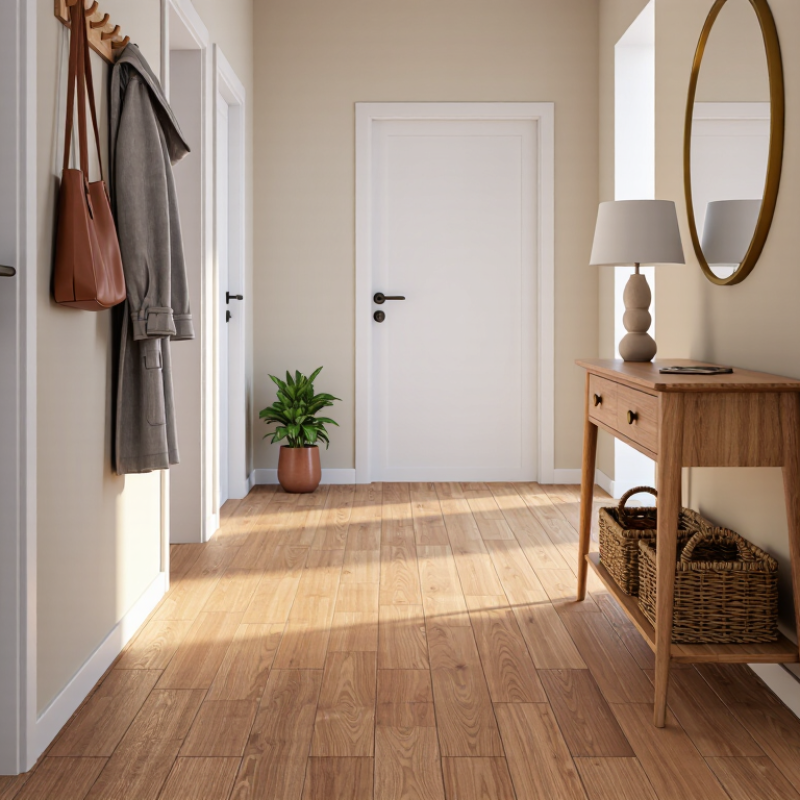
How to Choose the Best Hallway Table in 2026?
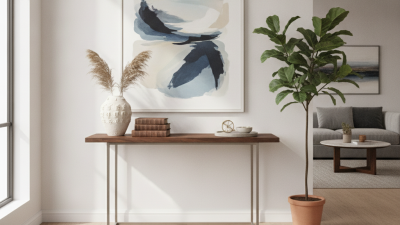
A hallway table should match the corridor’s job, not only its decoration. A narrow console suits keys, mail, and a small lamp. Choose one about 10 to 14 inches deep. Keep roughly 36 inches of walking clearance, consistent with the ADA Standards for Accessible Design. A storage bench works better near an entrance. It offers seating for shoes and hidden space for bags. Open shelving feels lighter, but it collects dust quickly.
Material also changes practical performance. Solid wood handles daily knocks well, while metal suits a sharper, modern hallway. Engineered wood can reduce cost, though weak edging may chip near doorways. The 2024 Houzz & Home Study reported a median major renovation spend of $24,000 in the United States. That figure makes adaptable furniture sensible. A console with drawers can serve several rooms later. I once preferred a glass top for visual lightness. Fingerprints changed my mind.
Measure door swings, skirting boards, and radiator positions before buying. A wall-mounted shelf may solve tight-space problems. It also avoids blocking floor cleaning. For family homes, rounded corners and stable construction deserve attention. The National Association of Home Builders’ 2024 buyer-preference research continues to show strong demand for practical storage features. That trend supports choosing tables with baskets, drawers, or lift-up seats. Still, too much storage can invite clutter. Leave one surface area intentionally empty. Sources: Houzz & Home Study 2024; ADA Standards for Accessible Design; NAHB What Home Buyers Really Want 2024.
| Hallway Table Type | Typical Dimensions | Best Practical Use | Recommended Hallway Width | Common Materials | Storage Capacity | Main Advantages | Important Limitations | Maintenance Level |
|---|---|---|---|---|---|---|---|---|
| Console Table | Height: 28–34 in Depth: 10–16 in Width: 30–60 in |
Keys, mail, lighting, decorative objects, and everyday entryway organization. | Works well when at least 36 in of clear walking space remains after placement. | Solid wood, engineered wood, metal, glass, or combinations of these materials. | Usually open shelving or one to three drawers. | Versatile proportions, easy to style, and available in many shapes and finishes. | Many models have limited enclosed storage and may become cluttered if left open. | Low to moderate; dusting and prompt cleaning of spills are usually sufficient. |
| Narrow Hallway Table | Height: 28–34 in Depth: 6–10 in Width: 24–48 in |
Small apartments, narrow corridors, and compact entrances where floor space is limited. | Suitable for corridors that cannot accommodate a standard 10–16 in deep table. | Metal, engineered wood, solid wood, or laminated panels. | Typically one shelf or a slim drawer. | Maximizes usable wall space while preserving a wider passageway. | Provides less surface area and can be easier to tip if not properly secured. | Low; choose scratch-resistant surfaces for high-traffic areas. |
| Sofa-Style Hallway Table | Height: 28–32 in Depth: 12–18 in Width: 48–72 in |
Large foyers, open-plan entrances, and spaces needing a strong visual focal point. | Best for wide entryways with at least 42 in of clear circulation. | Solid wood, stone, engineered wood, or metal frames. | Often includes two or more drawers, shelves, or cabinets. | Offers generous display and storage space and can balance a large wall. | Too large for narrow hallways; heavier construction may make repositioning difficult. | Moderate; larger surfaces require regular dusting and occasional hardware checks. |
| Hallway Table with Drawers | Height: 28–34 in Depth: 12–18 in Width: 30–60 in |
Keeping keys, chargers, documents, pet supplies, and small accessories out of sight. | Requires enough clearance for both walking and opening drawers safely. | Wood, engineered wood, bamboo, metal, or mixed-material construction. | One to six drawers, depending on the design. | Reduces visible clutter and creates dedicated storage for frequently used items. | Drawers add weight, cost, and moving parts that may need adjustment over time. | Moderate; clean drawer tracks and avoid overloading them. |
| Hallway Table with Shelves | Height: 28–36 in Depth: 12–18 in Width: 30–60 in |
Baskets, shoes, books, plants, and frequently accessed household items. | Works best where the lower shelf will not obstruct foot traffic or door movement. | Wood, metal, rattan, bamboo, or engineered wood. | One to three open shelves, sometimes combined with a top drawer. | Easy access, good ventilation, and practical use of vertical space. | Open shelves expose belongings to dust and can look untidy without baskets or organizers. | Moderate; shelves benefit from regular dusting and organized storage bins. |
| Wall-Mounted Floating Table | Height: 28–36 in Depth: 8–14 in Width: 24–48 in |
Minimalist interiors, very narrow halls, and entrances requiring unobstructed floor cleaning. | Useful where floor clearance is limited, provided the wall can support the installation. | Solid wood, plywood, engineered wood, or metal. | Usually a small drawer or concealed compartment. | Creates a lightweight appearance and makes sweeping or vacuuming underneath easier. | Installation must use suitable wall anchors; weight capacity is generally lower than floor-standing tables. | Low after installation; inspect mounting hardware periodically. |
| Mirrored Hallway Table | Height: 28–34 in Depth: 12–16 in Width: 30–54 in |
Brightening dark entryways and visually enlarging smaller spaces. | Best in areas with enough clearance to prevent frequent contact with the mirrored surface. | Tempered glass, mirrored panels, metal, engineered wood, or stainless steel. | Usually open storage or one small drawer. | Reflects light and complements contemporary, glamorous, and transitional interiors. | Shows fingerprints and dust easily; glass edges require careful handling. | Moderate to high; use a soft, non-abrasive cloth and suitable glass cleaner. |
| Hallway Table with Coat Storage | Height: 60–78 in Depth: 12–20 in Width: 30–48 in |
Entryways that need combined storage for coats, hats, bags, shoes, and daily essentials. | Requires a larger vertical and horizontal zone; allow doors and hooks to remain accessible. | Solid wood, engineered wood, metal, and upholstered panels. | Hooks, upper shelves, drawers, cabinets, or lower shoe compartments. | Combines several entryway functions and can reduce the need for separate furniture. | Takes up more visual space and may feel bulky in small or poorly lit halls. | Moderate; clean hooks, shelves, upholstery, and high-contact surfaces regularly. |
| Corner Hallway Table | Height: 28–34 in Depth: 14–24 in Width: 24–36 in per side |
Using unused corners near stairways, entry doors, or corridor intersections. | Suitable when the corner does not interfere with door swings or turning space. | Solid wood, engineered wood, metal, glass, or stone-look surfaces. | One shelf, a small cabinet, or compact drawers. | Uses awkward floor areas efficiently and creates a defined display zone. | Corner access can be inconvenient, and triangular surfaces provide less usable area. | Low to moderate; clean corners carefully because dust can accumulate there. |
| Lift-Top or Multi-Function Table | Height: 28–36 in Depth: 14–20 in Width: 30–48 in |
Flexible storage, occasional laptop use, charging devices, or concealing household clutter. | Needs clearance above and in front of the lifting mechanism. | Engineered wood, solid wood, metal hardware, and laminate surfaces. | Lift-top compartment, drawers, shelves, or hidden storage. | Provides adaptable storage and can support several functions in compact homes. | Moving mechanisms add weight and may require careful operation and maintenance. | Moderate; avoid exceeding the mechanism's stated load capacity. |
Selection tip: Before buying, measure the available wall length, table depth, door-swing area, and remaining walking clearance. For safety, anchor tall or narrow hallway furniture to the wall according to the installation instructions.