What is a Bookcase and How to Choose the Right One?
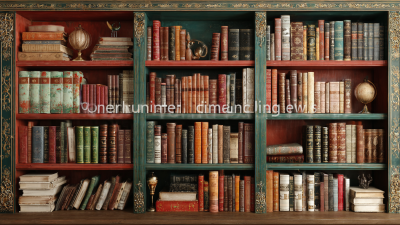
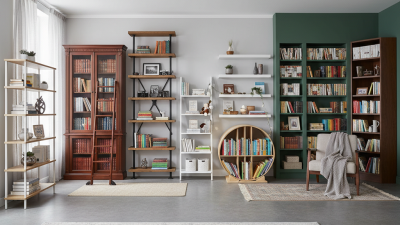
A bookcase is more than just a storage solution; it is a statement piece in any room. It holds your favorite novels, academic texts, and cherished memories. Choosing the right bookcase requires careful consideration of style, size, and material. It should complement your space and fit your needs.
Many people overlook dimensions when selecting a bookcase. It’s crucial that the height and width suit your room. Think about the weight of your books, too. Will the shelves support them? If a bookcase is too shallow, your larger books may not fit. Aesthetics matter as well. Consider whether you prefer modern minimalism or classic elegance.
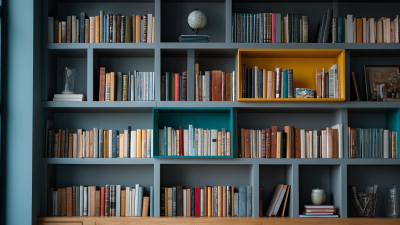
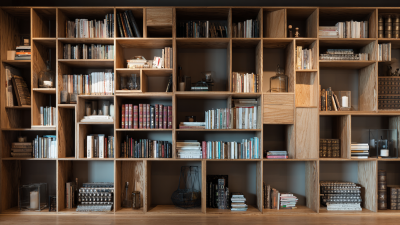
There are various styles, each with its pros and cons. Open shelving promotes accessibility but can make dusting a chore. Closed bookcases provide a neat appearance but might hide beautiful bindings. Reflect on your habits. Do you frequently rearrange your collection? If so, flexibility might be essential. Selecting the right bookcase is a journey of discovery. Take your time and choose wisely.
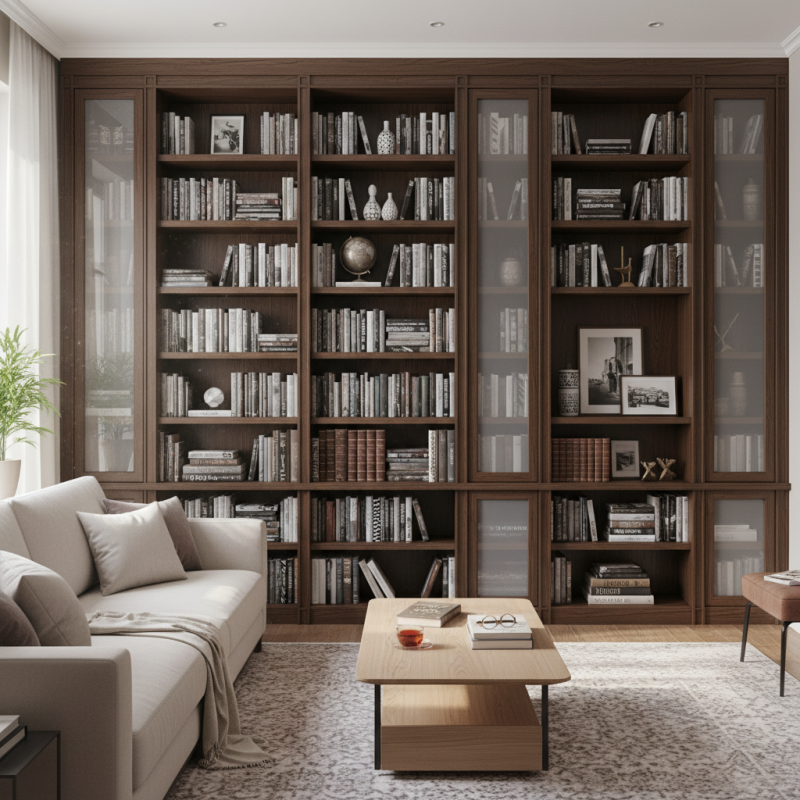
Definition of a Bookcase and Its Primary Functions
A bookcase is a piece of furniture designed to store and display books. It provides a dedicated space for your literary collection. Beyond mere storage, a bookcase can showcase personal style. The aesthetics of a room can change dramatically with the right bookcase. It's not just about function; it's also about expression.
Choosing the right bookcase involves several considerations. First, think about the space available. Make measurements to ensure a good fit. The height and depth of the bookcase matter. A tall unit can fill empty vertical space. However, it may be hard to reach the top shelves. Next, consider the design. Open shelves can feel airy. Closed cabinets can hide clutter. Ideally, a mix of both works.
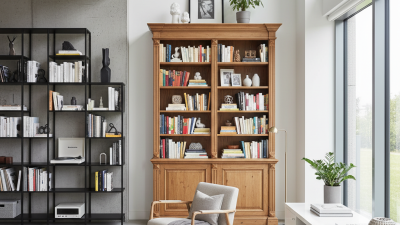
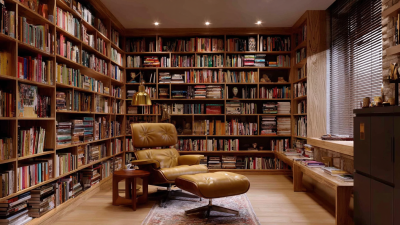
Materials are important too. Wood offers durability and warmth. Metal offers a modern look. Glass can create a sense of elegance. Each material presents its pros and cons. For example, while wood is sturdy, it may be heavy. Reflect on your needs and ideals. Whether you crave minimalism or a cozy library feel, there’s a bookcase out there.
What is a Bookcase and How to Choose the Right One?
| Feature |
Description |
Material Options |
Primary Function |
| Size |
Varies from small to large depending on space |
Wood, Metal, Composite |
Storing books and decorative items |
| Style |
Contemporary, traditional, modern, rustic |
Pine, Oak, MDF |
Enhancing room aesthetics |
| Type |
Open, closed, corner, ladder |
Particleboard, Glass, Metal |
Organizing various items |
| Functionality |
Can include shelves, cabinets, or drawers |
Furniture-grade plywood, Bamboo |
Multi-purpose usage |
Types of Bookcases: Styles and Designs Explained
When selecting a bookcase, the style can significantly shape your space. There are various types, each serving different aesthetic and functional needs. For instance, ladder bookcases offer a sleek look. They lean against walls and provide a modern touch. Backless designs create a sense of openness, perfect for small rooms. In contrast, traditional closed bookcases conceal clutter and provide a sense of order. A recent study found that 45% of consumers prefer contemporary designs, reflecting a growing trend towards minimalism.
Functionality plays a role too. Adjustable shelves are a plus. They allow you to accommodate books of various sizes. According to industry reports, 60% of buyers prioritize functionality over design. This means many people feel frustrated when their bookcase does not meet their needs. Open shelving can be stylish but may require regular dusting. Each style has its pros and cons, and choosing the right one can be challenging.
Material is another aspect to consider. Solid wood provides durability and a timeless feel. However, it can also be heavy and difficult to move. MDF offers affordability but may lack the aesthetic appeal of hardwood. Every choice you make reflects your values and lifestyle. Regret may arise from a hasty decision, emphasizing the importance of careful consideration.
Popularity of Different Bookcase Styles
Factors to Consider When Choosing a Bookcase
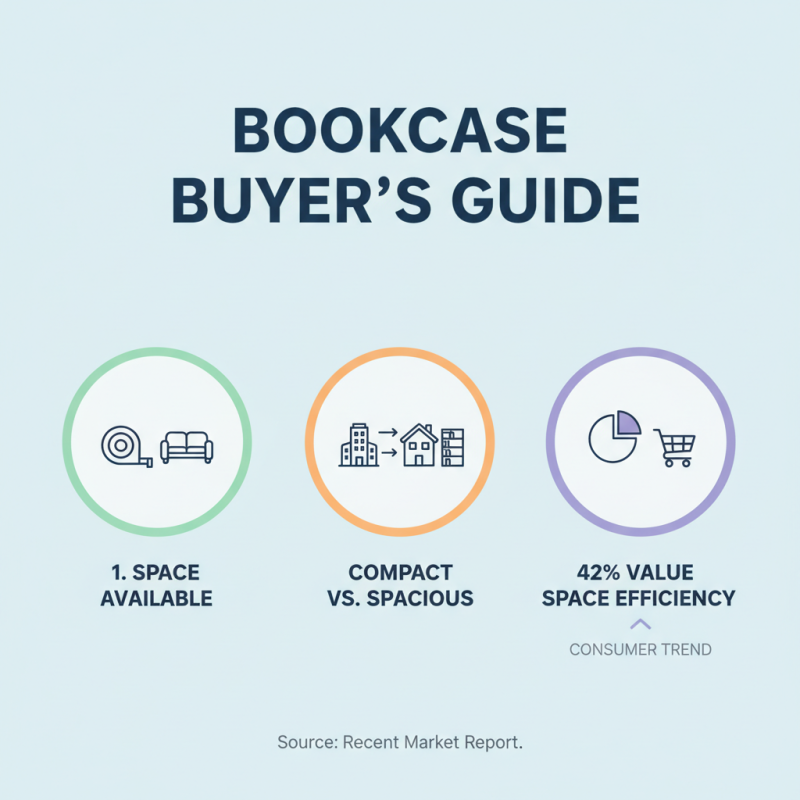
When choosing a bookcase, several factors come into play. Space is the primary consideration. Knowing your available area will dictate the size of the bookcase. For instance, a compact unit might suit a small apartment, while larger homes can accommodate spacious designs. According to a recent market report, 42% of consumers prioritize space efficiency in their furniture choices.
Another critical aspect is material. Different materials affect durability and aesthetics. Case studies show that solid wood bookcases are more durable than their laminate counterparts. However, they may come at a higher price. Additionally, some buyers overlook the importance of height. A bookcase that’s too tall can be hard to manage, while one that’s too short may not meet storage needs.
Design also plays a role. Some prefer a modern aesthetic, while others lean toward traditional styles. Personal preference can greatly influence these choices. Research indicates that 30% of people wish they invested more time in selecting furnishings. It's important to reflect on what aspects genuinely enhance your space and meet your needs.
Materials and Construction: A Guide to Durability and Style
When selecting a bookcase, materials and construction play a pivotal role.
Solid wood exudes timeless charm and durability. However, it can be expensive and heavy.
Engineered wood is budget-friendly and lightweight but may lack the same aesthetic appeal.
Look closely at finishes; some can wear down quickly, leading to unsightly chips or scratches.
Metal bookcases offer an industrial vibe, often robust and easy to clean. Yet, they might not fit every decor style.
Glass shelves can create a spacious look.
But they may require more maintenance and caution.
When assessing construction, check the joinery;
dovetail joints signal quality,
while staples indicate a less sturdy build. Pay attention to weight capacity too, especially if you have many heavy books.
Consider how the bookcase fits into your space. A tall bookcase can make a room feel larger.
But it needs adequate support, especially near the ceiling. A wider bookcase might provide more storage, yet it can overwhelm a small room.
Take your time to reflect on what truly matches your needs and style.
Think about long-term use; investing in a piece that lasts is often wiser than fulfilling a temporary desire.
Placement and Arrangement Tips for Bookcases in Your Space
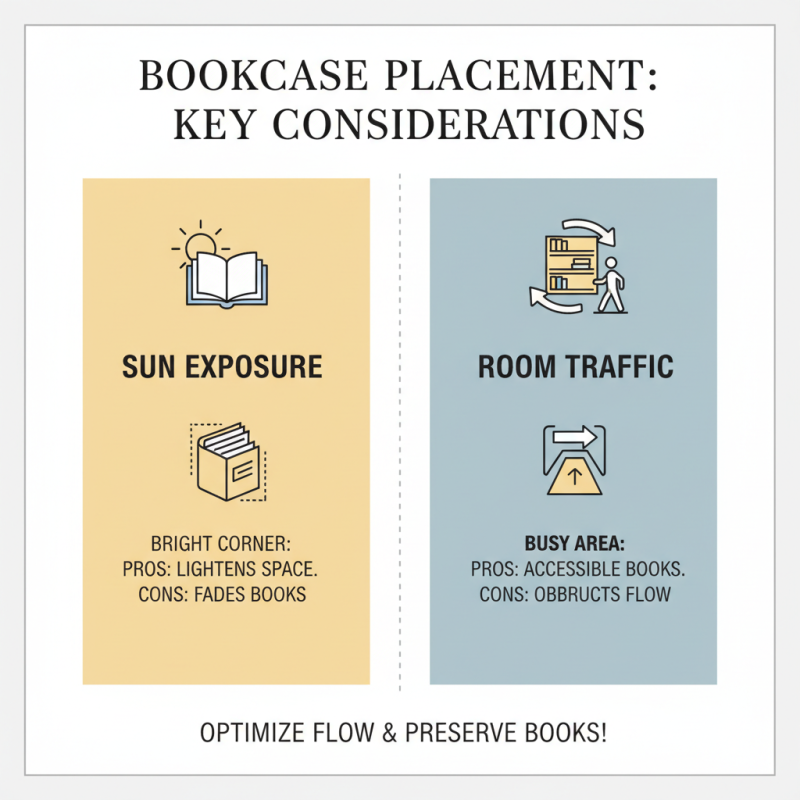
When choosing the perfect bookcase, placement is key. Consider sun exposure and room traffic. A bookcase in a bright corner can lighten the space but may fade books. In a busy area, ensure it doesn’t obstruct movement. Keep flow in mind as you arrange your furniture.
For proper arrangement, balance is essential. Mix different sizes of books with decorative items. This adds visual interest. Try to avoid overcrowding. Empty spaces are okay. They give your bookcase breathing room. Place larger books on the bottom and smaller ones on top for a sturdy look.
Consider the height of your bookcase. A tall unit can draw the eye upward, making a ceiling feel higher. But, be cautious with accessibility. A step stool might be necessary for top shelves. You’ll want everything within reach, especially favorite reads. Reflect on your space and how you’ll use it.