Best TV Stand for Your Home How to Choose the Right One?
Choosing the right TV stand for your home can significantly impact both functionality and aesthetics. According to a recent market analysis, the global TV stand market is expected to grow at a compound annual growth rate (CAGR) of 4.5% between 2021 and 2026. This impressive statistic highlights the importance of selecting a quality stand that meets your needs.
A TV stand serves more than just a practical purpose. It enhances your living space, complements your decor, and provides essential storage for media equipment. However, not all TV stands are created equal. Many options are available, from minimalist designs to more intricate ones with additional shelving. Some consumers may overlook their specific needs, ending up with a stand that does not fit properly or lacks necessary storage.
When choosing a TV stand, consider factors like size, material, and style. An improperly sized stand can cause instability or overcrowding. Additionally, the design must align with your existing decor. To make an informed decision, an understanding of your space and personal preferences is essential. Balancing these elements requires thoughtful consideration and sometimes even trial and error.
Factors to Consider When Choosing a TV Stand
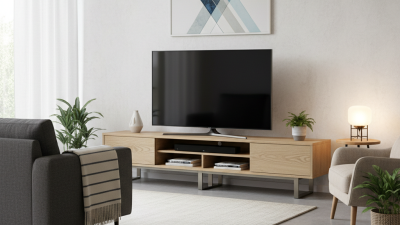
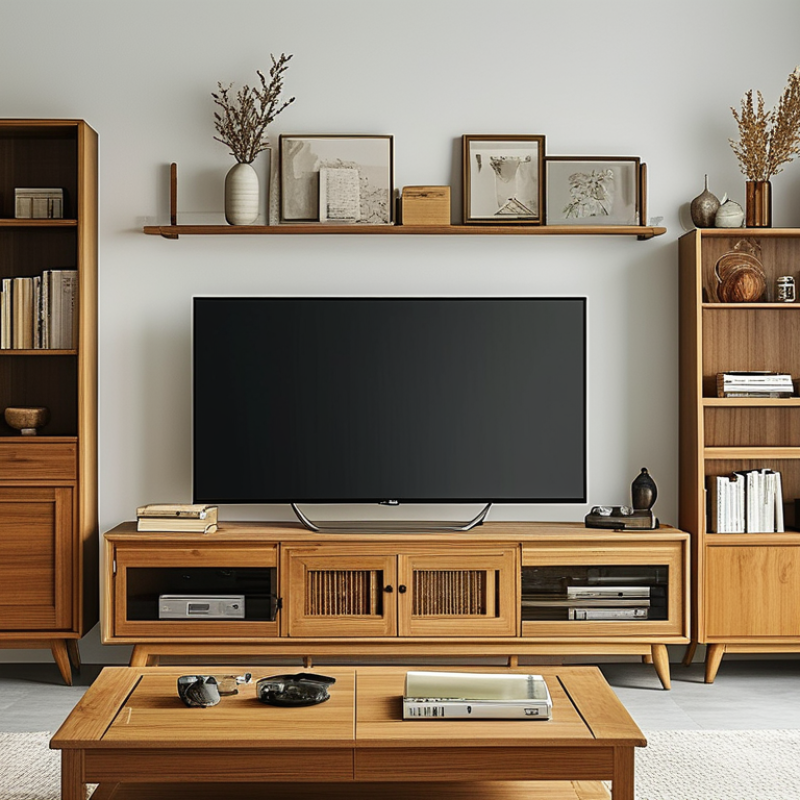
When choosing a TV stand, several factors come into play. Size is crucial. Measure your TV's width, and ensure the stand can comfortably accommodate it. A stand that is too small may wobble. Conversely, a massive stand can overwhelm your space. A good fit is not just about the TV; it also enhances the room's aesthetics.
Consider the material of the stand. Wood offers a classic look, while metal provides a modern vibe. Think about durability too. A sturdy stand will last longer, supporting not just the TV but additional devices. Transparency in construction is vital. Look for details on weight capacity and build quality.
Storage is another key element. Do you have other devices, like game consoles or cable boxes? Adequate storage helps organize your living area. Open shelves provide easy access but gather dust quickly. Enclosed spaces keep things tidy. Reflect on what suits your lifestyle best. Balancing style with functionality is the goal, as not every option will meet your needs perfectly.
Types of TV Stands: Which One Suits Your Home Style?
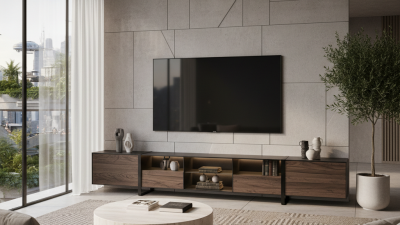
Choosing the right TV stand involves understanding various styles that align with your home decor. According to the American Home Furnishings Alliance, about 47% of consumers prefer contemporary designs. These stands often emphasize clean lines and minimalistic features. A contemporary stand can enhance open spaces and works well in modern or industrial settings.
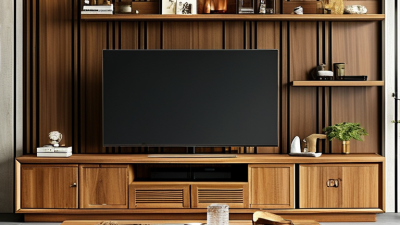
For those leaning towards a more rustic feel, farmhouse-style TV stands are a popular choice. In fact, 35% of home decorators enhance their spaces with this style. Rustic stands, often made from reclaimed wood, can add warmth to any room. They blend perfectly with natural materials and earthy tones. However, one drawback is that they may not suit all home styles, particularly sleek or modern interiors.
Another option is the entertainment center, which provides extensive storage solutions. Around 25% of consumers find these multi-functional designs ideal for organizing media and accessories. While they offer practicality, they can sometimes overwhelm smaller spaces. It's essential to consider your room size before choosing such a large piece. Not every option will fit seamlessly into your space, so careful selection is key.
Determining the Right Size and Height for Your TV Stand
Choosing the right size and height for your TV stand is crucial. The standard height for a TV stand is typically 24 to 30 inches. This allows for optimal viewing comfort. According to a study from the American Home Furnishings Alliance, approximately 60% of consumers prioritize height when selecting furniture.
Consider the size of your TV as well. A TV measuring 55 inches usually pairs well with a stand that is 50 to 60 inches wide. This proportion creates a balanced look. Height is also dictated by your seating arrangement. Ideally, the center of the screen should be at eye level when seated, which is often around 42 inches from the floor for most viewers.
Don't forget about the room's layout. A large room may require a bigger stand for better visual impact. Conversely, a smaller space benefits from more compact options. Remember, 65% of homeowners report feeling overwhelmed when choosing furniture that fits their space. It's worth taking time to find the right fit. Striking a balance between aesthetics and function can provide a satisfying viewing experience.
Material Options for TV Stands: Pros and Cons
When selecting a TV stand, the material is crucial. Various materials have unique pros and cons. Understanding these differences can help you make a better choice.
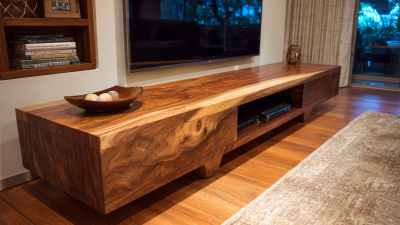
Wood is a popular option. It offers durability and a classic look. Solid wood stands can last for years. However, they can be expensive and heavy. Particleboard is a lighter alternative. It is often cheaper but may not withstand heavy use. Over time, it can chip or warp, leading to a less appealing appearance.
Metal is another option to consider. It provides a sleek, modern aesthetic. Metal stands are typically sturdy and easy to clean. Still, they can scratch easily and may not blend well with all decor styles. Glass adds a touch of elegance. It visually opens up a space. However, it is fragile and can require frequent cleaning. Choosing the right material requires careful thought about your needs and style preferences.
Best TV Stand for Your Home: How to Choose the Right One? - Material Options for TV Stands: Pros and Cons
| Material |
Pros |
Cons |
| Wood |
Durable, classic appearance, can be refinished |
Can be expensive, heavier than other materials |
| Metal |
Strong, modern look, durable |
Can scratch easily, heavy |
| Glass |
Stylish, visually opens up space, easy to clean |
Fragile, may need regular cleaning to avoid smudges |
| MDF (Medium Density Fiberboard) |
Affordable, smooth surface for finishing |
Not as durable as solid wood, can sag over time |
| Particle Board |
Very affordable, lightweight, easy to transport |
Less durable, lower quality, prone to damage |
Essential Features to Look for in a TV Stand
When selecting a TV stand, essential features play a pivotal role in enhancing your living space. According to a recent report by Houzz, 70% of homeowners consider functionality and style equally important. Start by assessing the size of your TV. The ideal height for viewing is often eye-level when sitting. A stand that provides proper viewing angles is crucial for an enjoyable experience.
Storage options are another key feature. Many people value space for gaming consoles, cables, and decorative items. A well-designed TV stand should provide a blend of open and closed storage. This not only keeps things organized but also minimizes clutter. Research shows that 65% of consumers prefer stands with adjustable shelves for flexibility.
**Tip:** Always measure your space before making a purchase. This simple step can prevent future headaches and ensure the perfect fit.
Don’t overlook material quality. Wood and high-grade composites are generally more durable than cheaper alternatives. Different finishes can match your home decor, but remember that lighter colors may show dust more easily. Many homeowners face regret when their choice clashes with their interior design.
**Tip:** Consider maintenance when choosing materials. Some options require more care than others. Prioritize what best suits your lifestyle and aesthetic needs.
Selection Criteria for TV Stands