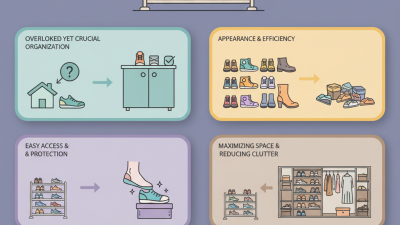
What is the Best Shoe Storage Solution for Your Home?
Finding the ideal shoe storage solution for your home can be challenging. According to a 2022 report by the National Shoe Retailers Association, nearly 60% of homeowners struggle with shoe organization. The right storage can save space and enhance your home’s aesthetic. With the average person owning at least 12 pairs of shoes, clutter often becomes inevitable.
Many designs exist, but effectiveness varies significantly. A well-organized shoe storage system can reduce clutter, yet many options lead to more mess. It is essential to choose solutions that match your lifestyle and available space. Custom shelving, cubbies, and shoe racks have their pros and cons, requiring careful consideration.
Inadequate shoe storage can result in frustration and lost footwear. Shoes left scattered can damage their shape and quality. A well-thought-out storage approach is not just about neatness; it also impacts longevity, comfort, and accessibility. Thus, it is vital to reflect on your current storage habits and explore how to improve them further.
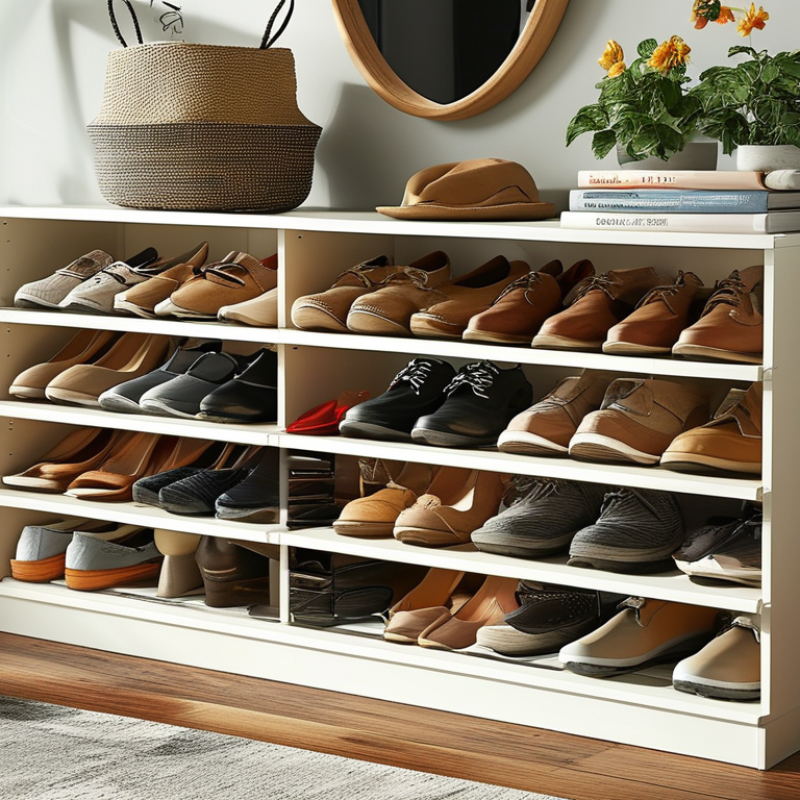
Factors to Consider in Choosing Shoe Storage Solutions
When selecting a shoe storage solution, several factors come into play. Space is often a primary concern. According to a survey by the National Association of Home Builders, more than 50% of homeowners find their entryways cluttered. The right storage should utilize vertical space and be adaptable to various shoe types. Consider options like racks or shelves that fit your available area, especially in smaller homes.
Material and design are equally important. A report from the American Furniture Association notes that aesthetic appeal can enhance home value. Solutions made from quality materials, such as wood or metal, often provide durability. Style should reflect your home's decor. You might lean toward minimalistic designs or something more traditional based on personal taste.
Easy access is another critical element. A study by the International Journal of Design suggests that cluttered environments can impact mood. Therefore, ensure your chosen solution allows for quick retrieval of shoes. Solutions with clear containers can help you see what you own, reducing decision fatigue. Reflect on your habits: do you need daily access, or is this for seasonal shoes? Understanding your needs can guide your choice effectively.
Types of Shoe Storage Solutions: Pros and Cons
When choosing a shoe storage solution, consider different options along with their pros and cons.
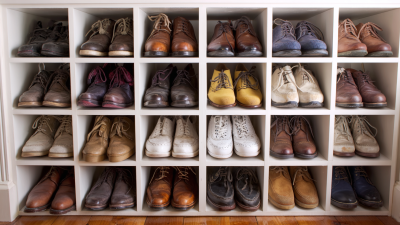
Open shelving units offer easy access and visibility. They work well for showcasing favorite pairs. However, dust can accumulate quickly, and not all footwear looks elegant on display.
Closed shoe cabinets provide a neat appearance and protect shoes from dust and damage. They often maximize vertical space, making them ideal for smaller areas. On the flip side, finding the right pair can take longer. Sometimes, you forget what’s inside, which can lead to frustration.
Cubby-style organizers are another practical option. They fit various shoe styles and keep everything organized. They also encourage a clutter-free entryway. However, if not used properly, they can become messy and disorganized over time.
Each storage solution has strengths and weaknesses. Reflect on your own space and needs before deciding.
Optimal Shoe Storage Capacity and Space Efficiency
When considering optimal shoe storage, space efficiency is vital. Many homes face limited space, making it challenging to keep shoes organized. A cluttered entryway can lead to frustration. Utilizing vertical space is one way to maximize storage without sacrificing floor area. Over-the-door racks or pegboards can keep shoes visible and accessible, allowing for easier selection.
Another effective solution is shoe bins. Clear bins offer visibility while minimizing dust accumulation. Labeling these bins can enhance organization, though it requires consistent upkeep. It’s easy to underestimate how frequently shoes get worn. Regularly evaluating your collection can help streamline what you truly need and what may be collecting dust.
Ultimately, a thoughtful approach to shoe storage not only improves space efficiency but also rationalizes your collection. Balancing capacity with accessibility can reveal lingering issues with clutter. Rather than just storing shoes, think about creating an inviting area that reflects personal style while maintaining order.
Impact of Shoe Organization on Home Aesthetics and Functionality
Shoe organization significantly impacts home aesthetics and functionality. An orderly shoe storage solution invites a sense of calm. When shoes are kept in designated areas, clutter decreases. This creates a more appealing entryway. Imagine walking into a tidy home where shoes aren’t scattered around. It feels welcoming and organized.
However, achieving this neatness can be challenging. Not all families have the same shoe needs. Some might own dozens of pairs, while others prefer just a few. This variation can create chaos. Overflowing shoe racks can look unsightly. It's essential to choose the right storage that suits individual lifestyles. Consider bins, shelves, or dedicated closets. Each option has its pros and cons.
Practicing regular maintenance is crucial. It’s easy to overlook shoe organization in daily life. Establishing a routine can help. Regularly evaluate your shoe collection. Donate or discard pairs that are no longer worn. This can keep the storage area manageable. Reflecting on your habits will ensure your shoe storage remains efficient and visually appealing.
Best Practices for Maintaining Shoe Condition in Storage
Maintaining the condition of shoes in storage requires careful attention. A study by the American Academy of Orthopaedic Surgeons reveals that improper storage can lead to moisture and mold growth. This can damage both the material and the shape of your shoes. To prevent this, using breathable shoe bags or boxes can be beneficial. These options allow for air circulation and minimize humidity exposure.
Temperature control is another critical factor. The ideal storage temperature for shoes is between 60°F and 75°F. Extreme temperatures can warp materials like leather and rubber, leading to cracks. A climate-controlled space may be essential for valuable or delicate footwear.
Regularly cleaning shoes before storage can improve their longevity. Dirt can cause degradation over time. According to a survey by the Footwear Distributors and Retailers of America, nearly 30% of shoe owners neglect this step. Additionally, using cedar shoe trees can help maintain shape, but this practice isn't universally adopted. This gap in care can reflect a broader oversight among users. Storing shoes with care is more than just organization; it reflects how we value these items.