Top 2025 Bookshelf Ideas: Organize Your Space with Style and Functionality
In the ever-evolving world of interior design, the humble bookshelf has transcended its traditional role. No longer merely a functional piece to hold tomes, it has become a pivotal element in organizing space with both style and practicality. Renowned bookshelf expert, Dr. Emily Carver, emphasizes this shift, stating, "A well-designed bookshelf is not just about storage; it's an art form that can reflect personal identity and enhance a room's ambiance."
As we delve into the top bookshelf ideas for 2025, we explore innovative designs and organizational strategies that elevate the aesthetic and functional qualities of our living spaces. From minimalist structures that emphasize clean lines to eclectic arrangements that showcase personality, these concepts not only serve to declutter but also to inspire creativity within our environments.
Join us on a journey that reimagines how bookshelves can transform your home, blending elegance with efficiency, and setting the stage for a sophisticated yet cozy atmosphere. Whether you're an avid reader or simply looking to optimize your space, these ideas will help you curate a bookshelf that is uniquely yours and ready to take center stage.
Innovative Bookshelf Designs for Modern Living Spaces
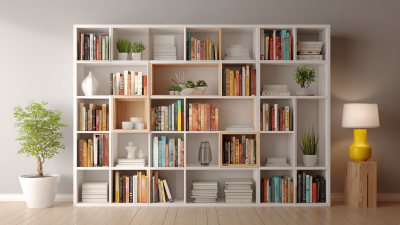
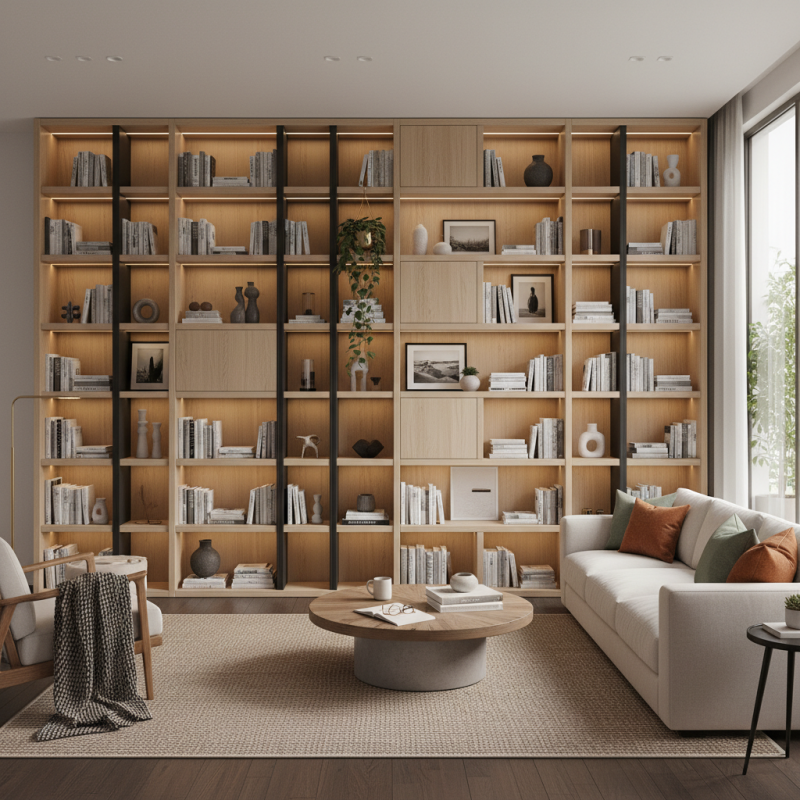
In modern living spaces, the bookshelf has transformed from a simple storage piece into an essential design element that reflects personal style and enhances functionality. Innovative bookshelf designs are now considering various factors such as space optimization, aesthetics, and the efficient display of literature and decor. From floating shelves that create an illusion of space to modular units that adapt to changing needs, these contemporary designs cater to diverse lifestyles and preferences. Integrating materials like wood, metal, and glass can also add texture and visual interest, making bookshelves not just functional, but also a focal point in any room.
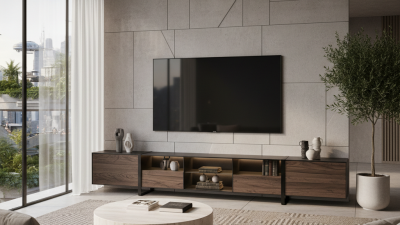
Moreover, the rise of multifunctional furniture has given birth to bookshelves that serve dual purposes. For example, a bookshelf can also function as a room divider or a compact workspace. This versatility is particularly beneficial in small homes where every inch counts. Additionally, incorporating built-in lighting can enhance the display of books and collectibles, adding ambiance and warmth to the environment. These innovative approaches to bookshelf design not only promote organization but also elevate the overall aesthetic of modern living spaces, making them both stylish and pragmatic.
Top 2025 Bookshelf Ideas: Organize Your Space with Style and Functionality
Functional Bookshelves: Balancing Aesthetics and Practicality
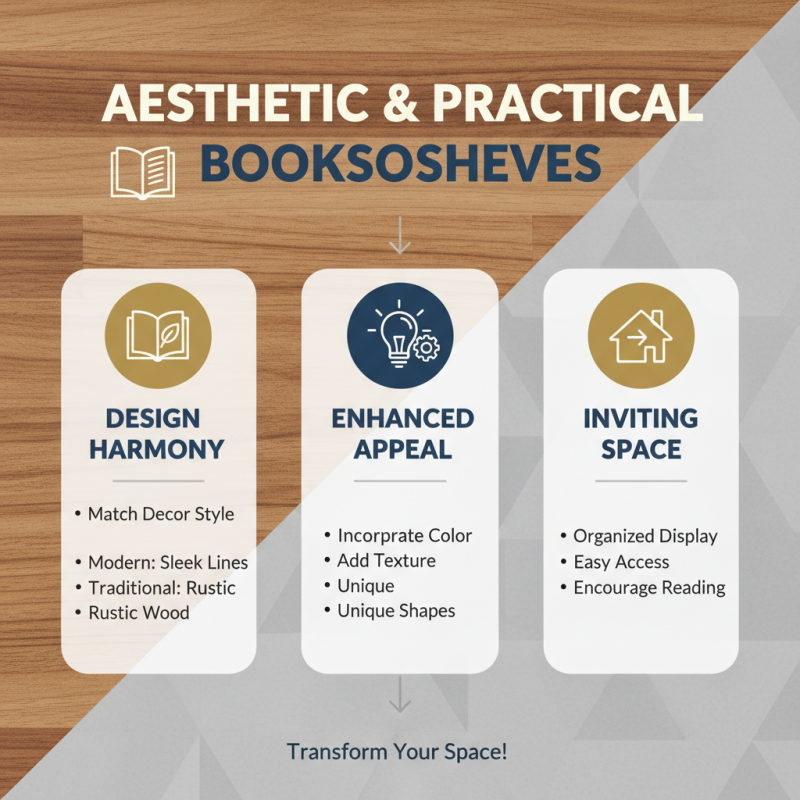
Creating a functional bookshelf that strikes a balance between aesthetics and practicality can transform any space, making it both visually appealing and organized. When choosing a bookshelf, consider the design elements that resonate with your decor style. For instance, sleek, modern lines may complement a contemporary room, while rustic wood finishes can add warmth to a traditional setting. Incorporating elements such as color, texture, and unique shapes not only enhances the visual appeal but also creates an inviting atmosphere, encouraging readers to explore the treasures within.
To maximize usability, think beyond mere storage. Incorporate various levels and compartments to showcase decorative items alongside your favorite books. A mix of open and closed shelving allows for an organized display while providing a hidden space for less visually appealing items. Additionally, consider functional aspects like adjustable shelving to accommodate books of various sizes and the inclusion of lighting to enhance visibility and create ambiance. Ultimately, a well-designed bookshelf can serve as a focal point in your room, reflecting your personal style while fulfilling its purpose as an organized storage solution.
Creative Organization Tips for Your Bookshelf Setup
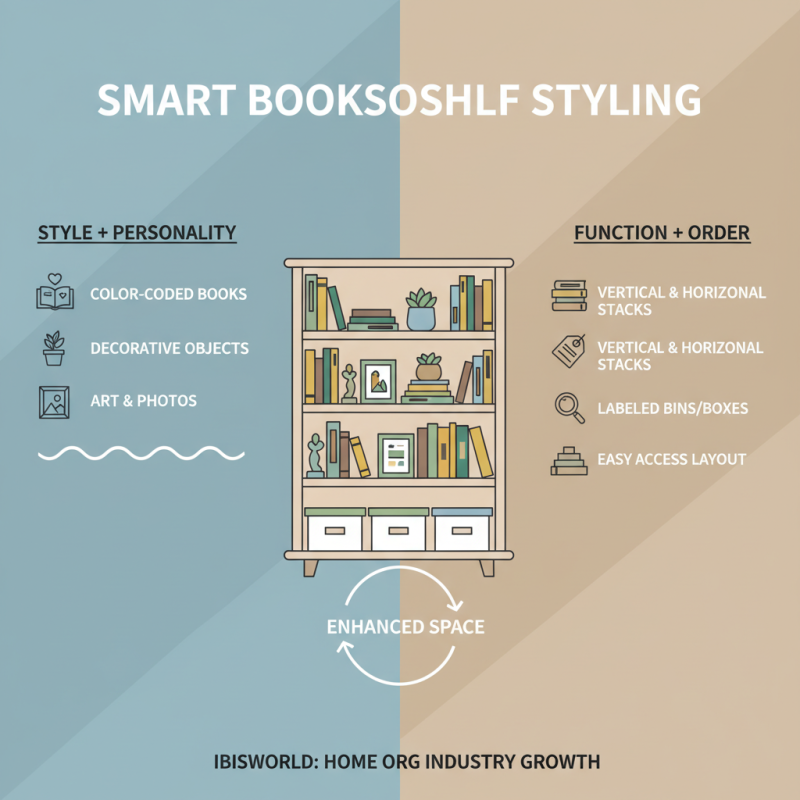
When it comes to organizing your bookshelf, combining style and functionality can enhance both the aesthetic appeal and usability of your space. According to a report by IBISWorld, the home organization industry has seen substantial growth over the past few years, with an increase in consumer interest for personalized and visually appealing storage solutions. This trend emphasizes the importance of creating a bookshelf layout that reflects your personality while also maintaining order.
One effective strategy for organizing your bookshelf is to categorize books by genre or color. This method not only simplifies the process of finding specific titles but also adds a visually striking element to your space. A study published in the Journal of Environmental Psychology revealed that well-organized spaces can significantly improve mood and productivity. Furthermore, incorporating decorative elements such as plants, photographs, or art can transform a standard bookshelf into a gallery-like setup, thereby promoting creativity and inspiration in your environment. Utilizing space-saving techniques like horizontal stacking or introducing tiered shelving can further enhance both function and style, making your bookshelf a focal point of your living area.
Incorporating Personal Style into Your Bookshelf Arrangement
Creating a bookshelf arrangement that reflects your personal style can transform a simple storage solution into a statement piece in your home. Start by selecting a color palette that resonates with your overall interior design. Whether you prefer muted tones or bold hues, coordinating your books with decorative items can create a cohesive look. Consider dedicating specific sections of your bookshelf to various genres or themes, allowing you to showcase your literary interests while ensuring that the arrangement remains visually appealing.
Incorporating decorative objects, such as plants, art pieces, or personal memorabilia, can further infuse your personality into the bookshelf design. For instance, placing a vintage globe or unique sculptures among your books can create focal points and spark conversations. Additionally, varying the height and size of your books and decorative elements can add depth and interest, making your bookshelf not just functional but also a reflection of who you are. Remember, the key is to balance functionality with aesthetics, ensuring that your bookshelf is both practical for storing your favorite reads and a beautiful representation of your individual style.
Top 2025 Bookshelf Ideas: Organize Your Space with Style and Functionality
| Bookshelf Style |
Key Features |
Best For |
Decor Tips |
| Minimalist |
Clean lines, neutral colors, open spaces |
Small apartments, modern decor |
Use large plants to add contrast |
| Industrial |
Metal elements, wood and brick finishes |
Lofts, urban spaces |
Incorporate vintage accessories |
| Rustic |
Natural wood, handcrafted items |
Country homes, cozy settings |
Add warm lighting and woven baskets |
| Eclectic |
Varied materials, colorful displays |
Creative spaces, personal style |
Mix and match books and decor |
| Traditional |
Rich woods, classic designs |
Formal living rooms, libraries |
Incorporate framed art and elegant bookends |
Maximizing Small Spaces with Smart Bookshelf Solutions
When it comes to maximizing small spaces, choosing the right bookshelf design can make a world of difference. Opt for vertical shelving units that draw the eye upward, creating the illusion of higher ceilings and more room. Additionally, consider using a corner bookshelf to utilize often-overlooked areas effectively. This not only enhances storage capabilities but also adds visual interest to the room without overwhelming the space.
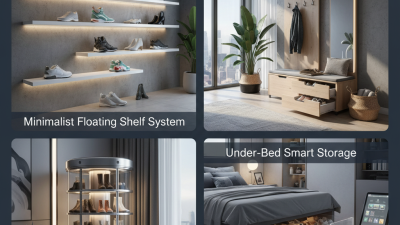
Tips for smart bookshelf solutions include incorporating multi-functional pieces. For example, a bookshelf that doubles as a room divider can help delineate spaces while providing ample storage. Floating shelves are another excellent option, as they take up no floor space and can be arranged to add character to your walls. Finally, be sure to keep your collection organized and curated, showcasing selected items that reflect your personal style while preventing clutter from taking over.
Utilizing decorative boxes or baskets on your shelves can also maintain a tidy look while storing smaller items. Try to mix books with decorative objects, plants, or art to create an inviting atmosphere that feels both stylish and functional. Remember, the key to an effective bookshelf solution in small spaces is not just about storage but also about creating a cohesive and aesthetically pleasing environment.